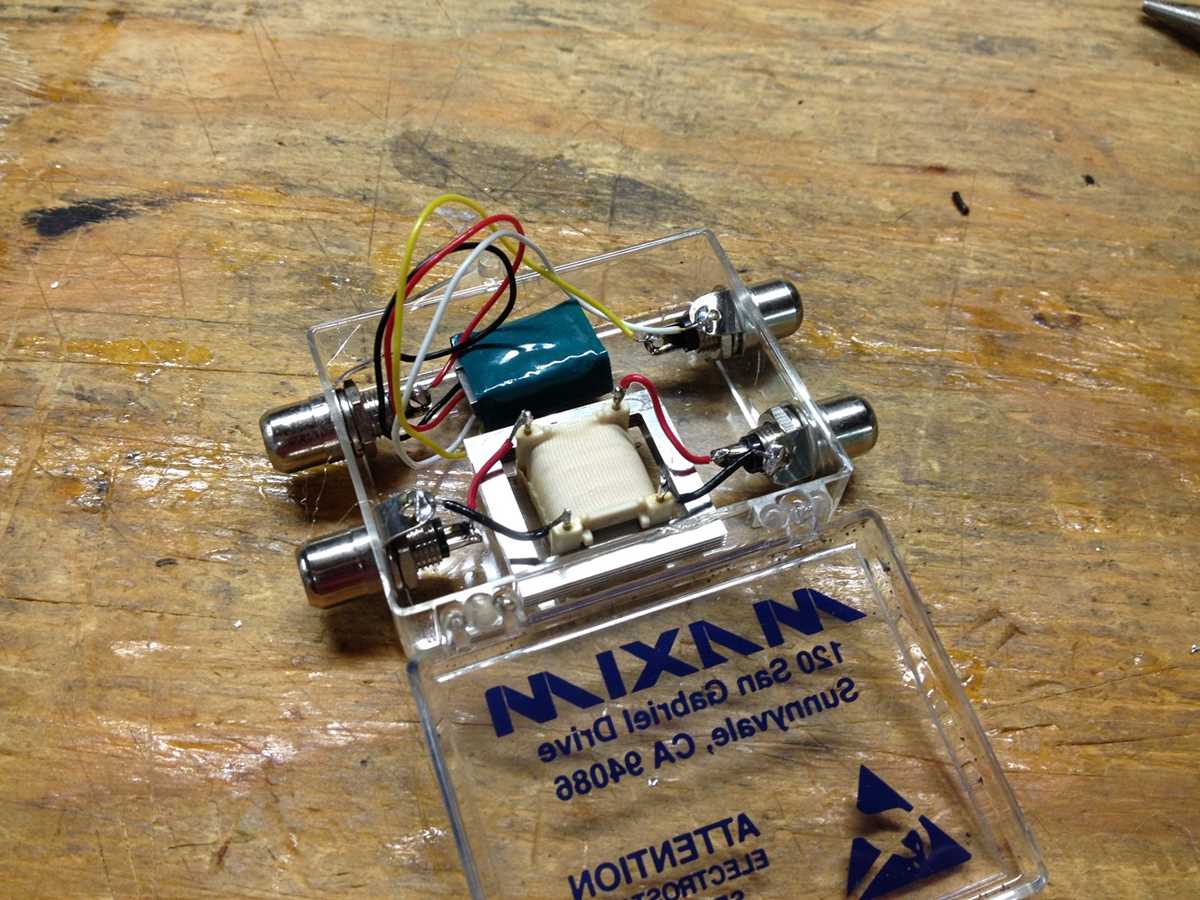
To eliminate hum or buzzing sounds in your sound setup, use an isolation device. This tool helps separate unwanted interference from your equipment, especially when multiple devices are connected to the same electrical system. It ensures clean sound by preventing unwanted signals from contaminating the audio path.
Inserting this isolation module between devices is a straightforward way to improve sound quality. This approach is especially effective for setups that involve power amplifiers, mixers, or audio interfaces where noise typically occurs due to shared electrical grounds.
When selecting the right isolating device, pay attention to factors like frequency range compatibility and input/output impedance matching. Choosing the wrong specifications can lead to insufficient noise reduction or signal degradation. Test your system thoroughly after installation to ensure the noise is effectively suppressed without compromising sound quality.
Audio Ground Loop Isolation Design Plan
To effectively reduce noise in your setup, start by placing a transformer between the devices that share the same power source. This transformer will prevent any unwanted electrical signals from affecting the main audio signal. Choose a high-quality transformer with a balanced design for optimal performance and reduced distortion.
Ensure the devices connected to the isolator are compatible in terms of voltage and signal type. Mismatched devices can lead to signal loss or poor performance. Additionally, consider using capacitors to filter high-frequency noise and smooth the power supply. This helps in maintaining the integrity of the audio signal throughout the system.
After setting up the isolation, check the system’s grounding. A solid ground connection is key to ensuring there is no additional interference once the isolator is in place. Test the setup thoroughly for any residual noise and adjust the configuration if necessary to achieve the best possible sound quality.
Identifying Common Ground Loop Issues in Audio Systems
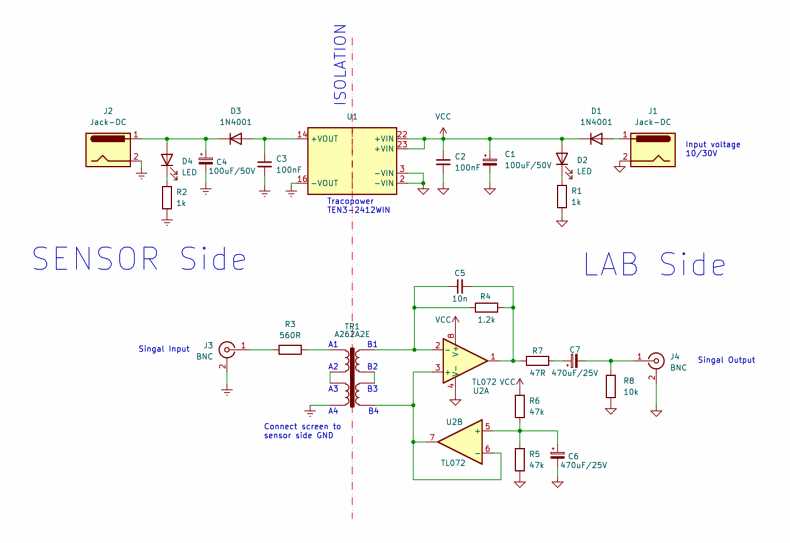
One of the most common issues in sound systems is the unwanted hum or buzz that can occur when multiple devices share the same electrical source. This issue arises from differing voltage levels between components, creating a potential difference that manifests as interference in the audio signal. The most effective way to resolve this is by ensuring that each component is properly isolated, either through physical separation or electrical isolation transformers.
Another frequent problem is the presence of a 50-60Hz hum in the output signal, which can often be traced back to improper grounding of equipment. This issue is most noticeable when amplifiers or mixers are connected to a variety of other devices, such as speakers or soundboards. To eliminate this, check that the ground connections are uniform across the system and avoid ground loops that might amplify this hum.
Signal degradation can also occur when the grounding method is not optimized. When grounding paths are shared across multiple devices, the resulting interference can distort the quality of the output sound. The key to resolving this is identifying the specific component or device that is causing the interference and rerouting the ground connections to a common point, which can minimize signal loss.
If the equipment is suffering from feedback issues, it’s possible that improper isolation is allowing unwanted electrical currents to travel back into sensitive components. This can often cause a system to create a squealing or high-pitched sound, typically a sign that isolation between components is inadequate. Use isolation transformers or filters to reduce feedback and stabilize the signals across all connections.
To further eliminate common issues, ensure that all devices are properly shielded. External interference from other electronic devices, such as fluorescent lights, computers, or power cables, can introduce noise into the system. Placing the audio components in well-shielded enclosures or using cables with good insulation can drastically reduce this issue and provide a cleaner signal.
Finally, always test your setup under different load conditions. Audio systems often behave differently when under various operating conditions or when additional components are introduced. Testing your system with isolated and grounded components can help identify hidden issues before they become persistent problems. Using diagnostic tools like oscilloscopes can assist in pinpointing the exact cause of interference.