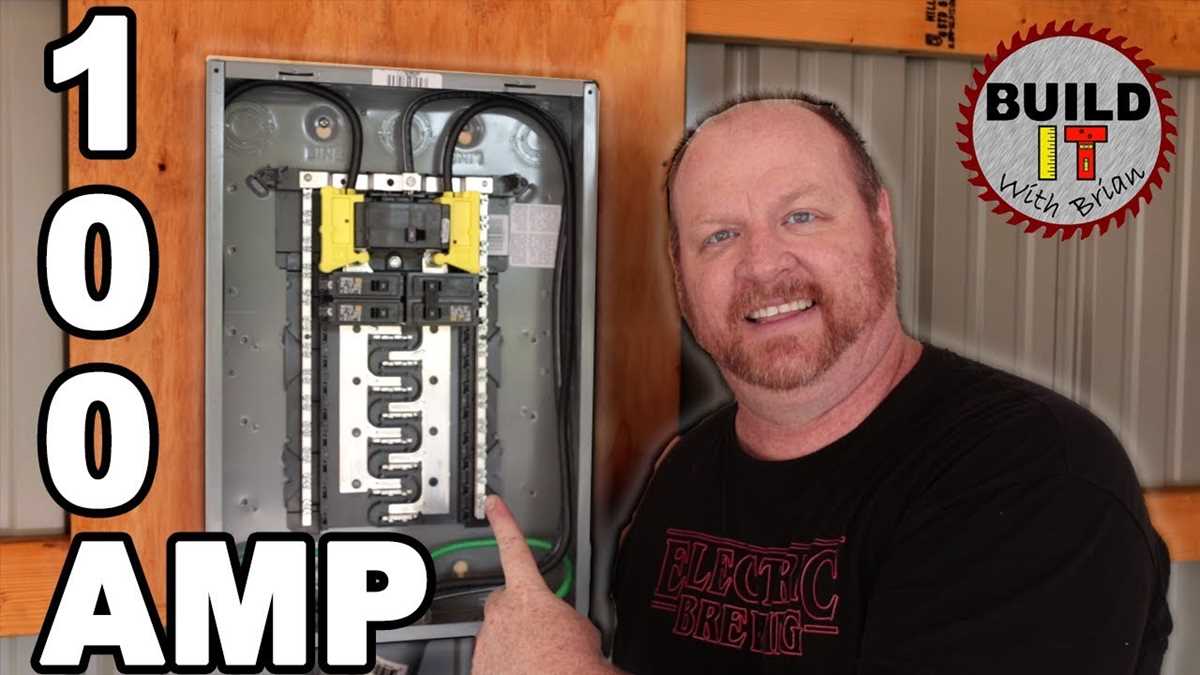
To wire an electrical distribution system correctly, start by ensuring that the main service box is sized appropriately for the intended load. A 100-amp system, commonly used in residential setups, provides a sufficient amount of power for standard home needs. Begin by securing all necessary components, such as the main breaker, bus bars, and grounding systems, before proceeding with any electrical connections.
Ensure that all connections are made according to local electrical codes and standards. Pay particular attention to wire gauges, as using the wrong size can cause overheating and potential system failure. Double-check that each circuit is connected securely, avoiding any loose connections that could lead to arcing or shorts.
If the system includes additional breakers for specific appliances or outlets, make sure these are appropriately installed and labeled for easy identification. Properly route the cables to prevent any damage or interference, and always ensure the panel is properly grounded to avoid any electrical hazards.
Following these guidelines will help maintain a safe and functional electrical system in your home. Always consult with a licensed electrician if you are unsure about any step in the process to ensure compliance with all regulations and standards.
Understanding the Components of the Electrical Distribution Box
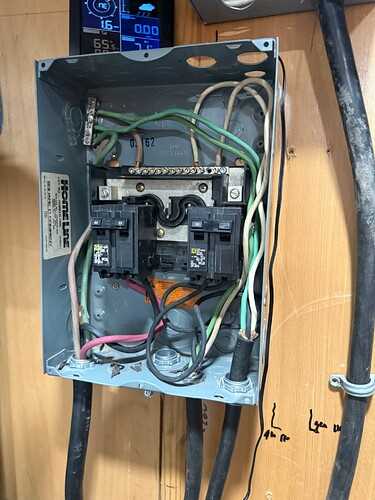
The key components of an electrical distribution system include the main breaker, bus bars, and individual circuit breakers. These components are integral for the safe and efficient operation of your home’s electrical system.
Main Breaker: This is the primary switch that controls the flow of electricity to the entire system. It is important to use a breaker that matches the capacity of the system to avoid overheating or damage. The main breaker also serves as a safety feature, allowing you to disconnect power to the entire unit during maintenance or emergency situations.
Bus Bars: These metal strips distribute power from the main breaker to the individual circuit breakers. They serve as a central hub for the electricity and should be securely connected to ensure proper function. Ensure that all connections are tight to avoid heat buildup, which can cause damage or even a fire hazard.
Circuit Breakers: These devices protect individual circuits from overloads by automatically disconnecting power when an issue is detected. When installing, ensure that each breaker matches the specific circuit it is protecting. For example, high-power appliances need breakers rated for their specific load capacity.
Grounding System: A grounding system is a must for safety. It provides a path for electrical faults to travel safely to the earth, reducing the risk of electric shock or fire. The ground wire must be securely attached to both the distribution system and any metal components within your system.
Neutral Bus Bar: This component serves as the return path for current and is connected to the earth ground. It is important to make sure that the neutral and ground bus bars are not interconnected, as this can lead to dangerous faults.
Breaker Slots: These slots are where the individual circuit breakers are installed. They are designed to hold the breakers securely in place and allow for easy replacement or addition of breakers. Proper slot allocation is necessary for a well-organized and functional system.
By understanding these components, you can better assess the setup of your electrical distribution system and troubleshoot any potential issues. Always ensure that your system is installed following local regulations, and if you’re not confident in your understanding, consult with a licensed electrician to ensure everything is installed correctly and safely.
How to Safely Install and Wire the Electrical Distribution System
Start by ensuring that the main power source is turned off before any installation. This includes switching off the main breaker and disconnecting all power sources to prevent electric shocks or fires. Use a non-contact voltage tester to double-check that no electricity is present in the incoming wires.
Install the distribution unit in a dry, easily accessible area. Ensure the mounting surface is secure, and the box is properly grounded to the earth, using the appropriate ground wire size. Each wire connection should be clean, with no fraying or damage. Secure all connections tightly to the bus bars to avoid overheating due to loose connections.
Once all wires are connected to their respective breakers, ensure that the panel cover is properly secured and that there is no exposed wiring. Test the system by turning on the main power and checking for any signs of overheating or unusual behavior. If unsure about any steps, it is advisable to consult a licensed electrician to ensure safety and compliance with local codes.