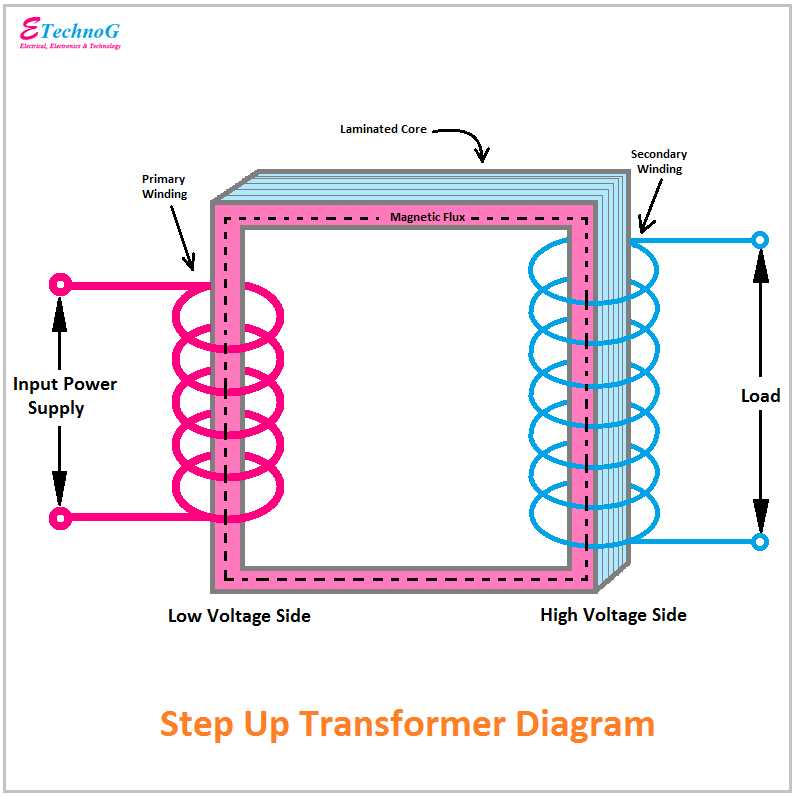
Connect the primary coil to a stable AC source matching the rated input voltage to prevent overheating or core saturation. Use thick, insulated conductors for minimal voltage drop and secure connections to reduce resistance.
Select appropriate tap settings for the secondary windings based on the desired output voltage. Mark each connection clearly and measure with a multimeter before applying full load to avoid accidental overvoltage.
Position the assembly on a non-conductive, ventilated surface to allow heat dissipation. Ensure the magnetic core is free from ferrous objects nearby to prevent flux distortion and maintain consistent voltage transformation.
Check load handling by gradually applying resistive or inductive loads while monitoring temperature and voltage stability. Adjust fuses or circuit protection to match the maximum current rating of the secondary winding for safety.
Verify insulation resistance between windings and to the enclosure using a megohmmeter. Values below manufacturer specifications indicate potential leakage paths, which could compromise performance and safety.
Label all terminals with input, output, and ground references to prevent misconnection during integration with other assemblies. Clear documentation speeds troubleshooting and ensures repeatable results in future setups.
Practical Guide to Connections and Load Management for Voltage Conversion Units
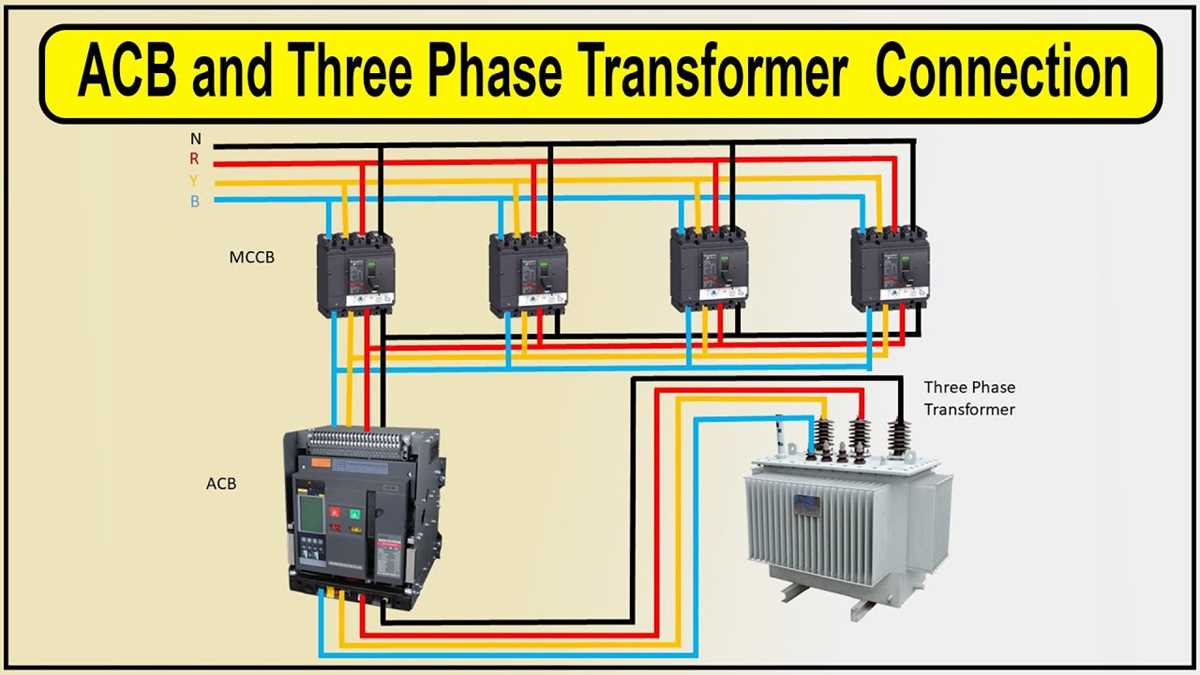
Connect primary and secondary windings to the designated AC source and load terminals with clearly rated conductors. Maintain tight connections to prevent voltage drop and arcing under peak currents.
Balance loads across phases when using multi-tap setups. Unequal distribution can cause overheating, reduced lifespan, and fluctuations in output voltage. Use separate monitoring for each load branch to identify imbalances early.
Use protective devices such as fuses or breakers rated slightly above the maximum current of each winding. Position these devices close to the source to isolate faults quickly and prevent damage to connected equipment.
Monitor voltage under varying loads with a digital meter or data logger. Record peak and steady-state readings to detect drift, harmonic distortion, or undervoltage conditions. Adjust connections or load arrangement accordingly.
Label all terminals and paths and document load capacity for each output. Clear markings allow for faster maintenance, safe disconnection, and accurate load scaling when integrating additional devices into the assembly.
Choosing Correct Voltage Ratings and Tap Settings for Transformers
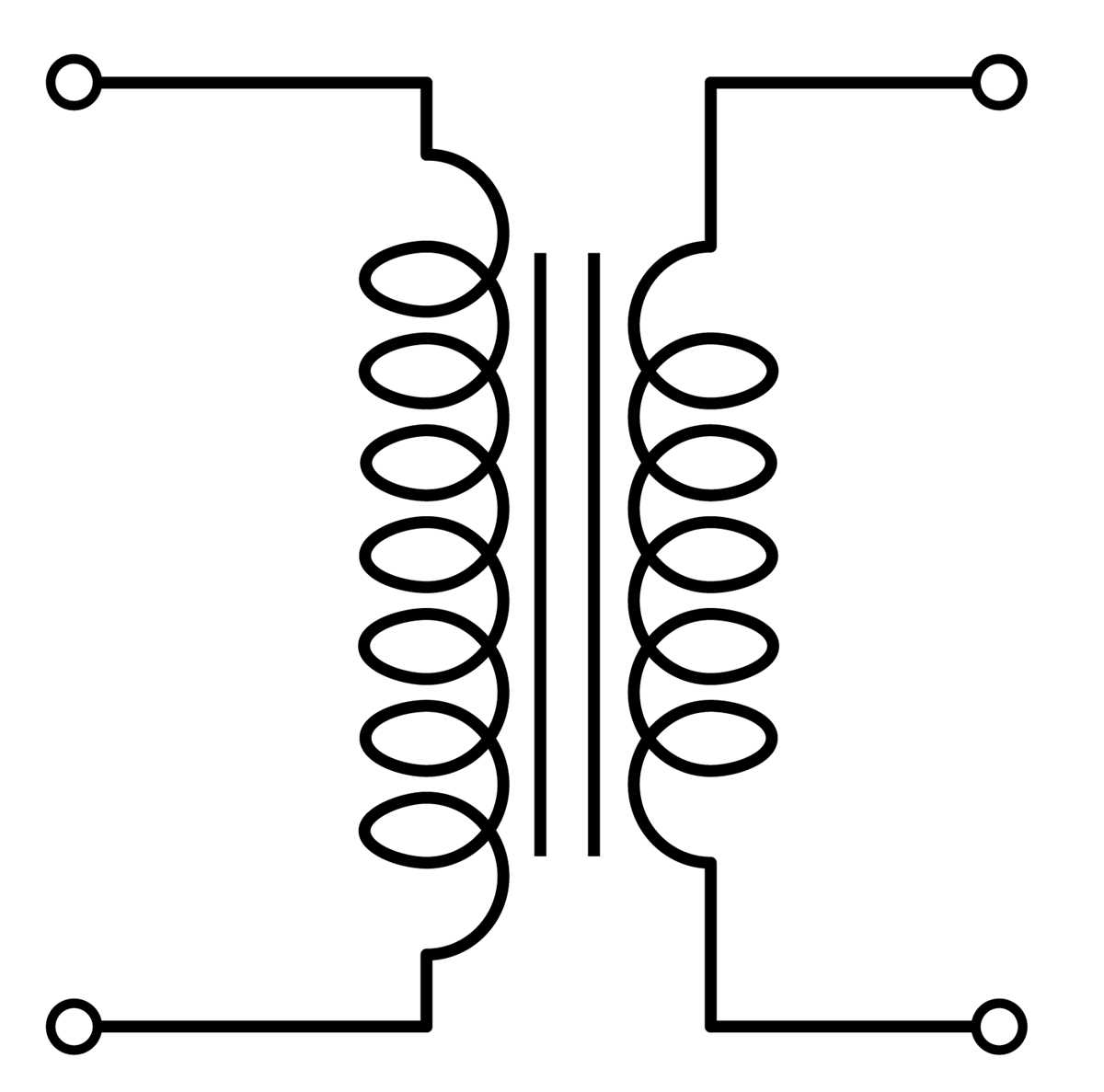
Select the primary voltage rating based on the supply line characteristics. Ensure the rating matches the nominal incoming voltage within a 5% tolerance to prevent core saturation or excessive heating under load.
Determine the secondary voltage requirement for connected equipment. Calculate expected load current and verify that the output voltage under full load remains within manufacturer specifications for all devices on the network.
Consider tap changers when supply voltage varies. Mechanical or electronic taps allow fine adjustment of secondary voltage, keeping output consistent despite fluctuations in the primary source.
Match winding impedance to the expected load profile. Low-impedance windings provide stable voltage under heavy load, while high-impedance options protect against short circuits but may drop voltage more under normal currents.
Factor in voltage drop along conductors. For long distribution lines, increase the secondary voltage slightly to compensate, ensuring that end devices receive proper voltage without overloading the unit.
Account for ambient temperature when setting taps. Higher temperatures increase resistance, which can lower effective voltage. Adjust tap settings to maintain target voltage during peak thermal conditions.
Label all tap positions clearly and record the corresponding output voltages. This allows for precise adjustments and quick reference during maintenance or load changes, reducing the risk of misconfiguration.
Test under full load after setting taps. Monitor voltage across all terminals and check for deviations greater than 3% from the target. Fine-tune taps as necessary to achieve stable and reliable operation across all connected devices.