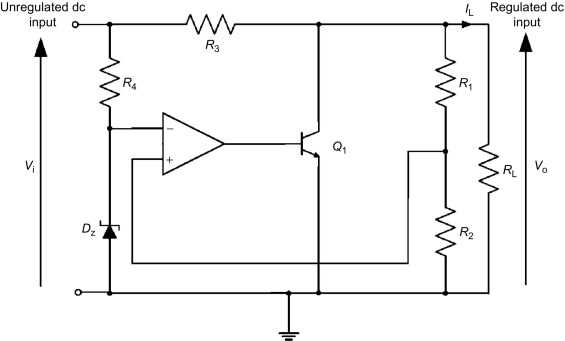
Use a high-quality voltage regulator chip rated for your specific input and output requirements to maintain consistent power across sensitive electronics. Ensure the input voltage does not exceed the maximum rating of the component to prevent overheating and failure.
Connect the input terminal to the power source using insulated conductors capable of handling the expected current load. Verify polarity before energizing the system to avoid immediate damage to the semiconductor element.
Include a low-value capacitor at the input to reduce voltage spikes and a capacitor at the output to stabilize the load and minimize ripple. These capacitors must meet the voltage and temperature ratings of your design to maintain long-term reliability.
Check all solder joints for solid contact and absence of bridging between pads. Loose connections or cold solder joints can result in voltage drops or intermittent operation, which may compromise downstream electronics.
Linear Regulator Circuit Assembly and Connection Guide
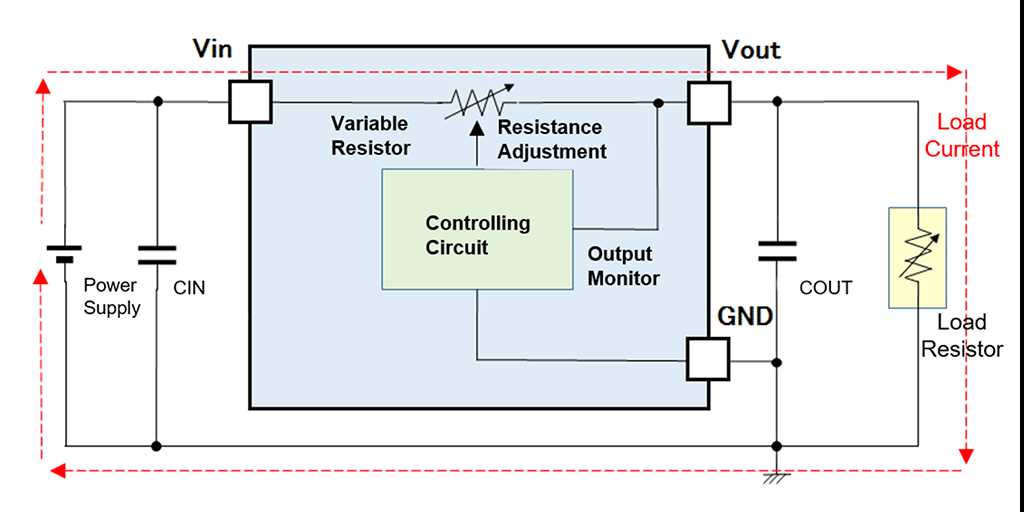
Ensure the voltage controller is mounted on a heat sink capable of dissipating the expected thermal load. Tighten the mounting screws to secure the component without over-torquing, which could crack the casing.
Connect the input lead to a filtered power source, keeping the conductor length as short as possible to minimize parasitic inductance. Confirm that the input voltage stays within the component’s rated range for safe operation.
Install an input capacitor close to the terminals to reduce transient spikes. A 0.33µF ceramic capacitor is typical, but check the manufacturer’s specifications for optimal performance under load.
Attach the output lead to the load using a conductor rated for the maximum current expected. Include an output capacitor, often 0.1µF or higher, to maintain steady voltage and suppress high-frequency oscillations.
Inspect all connections for solid mechanical contact and proper solder flow. Cold joints or loose connections can create intermittent voltage drops and unpredictable behavior under variable load conditions.
When integrating the ground connection, ensure a single-point grounding scheme to avoid ground loops. Use a thick copper trace or wire to reduce resistance and voltage differences across the system.
Test the assembly with a low-current dummy load first. Monitor input and output voltages using a multimeter or oscilloscope to confirm stability before connecting sensitive devices.
After verification, secure all wiring with heat-resistant sleeving or cable ties, and confirm that no components touch the heat sink directly without thermal pads or insulation. This prevents short circuits and maintains long-term reliability.
Selecting Components for Stable Voltage Regulation
Choose a voltage controller that matches the input and output voltage range required by your load. Check the maximum current rating and thermal limits to avoid overheating during continuous operation.
Include input and output capacitors rated for low equivalent series resistance (ESR). Recommended values:
- Input: 0.33µF ceramic close to the terminals
- Output: 0.1µF to 1µF ceramic or electrolytic for stability under varying load
Use resistors for setting output voltage with tight tolerance, preferably 1% metal film types. Incorrect resistor values can cause voltage drift and reduce regulation precision under fluctuating load.
Select a heat sink and thermal interface material that support the expected power dissipation. Oversizing slightly allows for ambient temperature variations and prolonged component life.
Consider including a small inductor in series with the output if high-frequency noise suppression is needed. Coupled with proper decoupling capacitors, this prevents oscillations and maintains a clean voltage supply for sensitive devices.