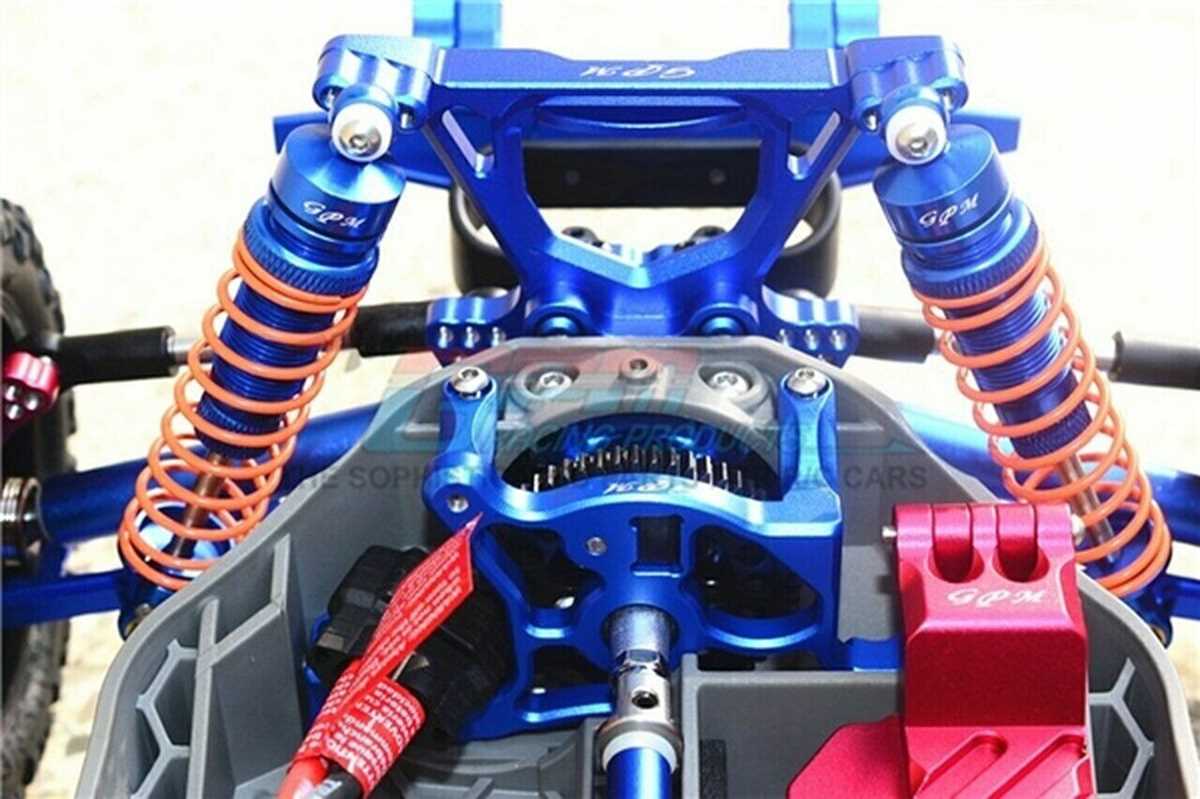
Start by inspecting the drivetrain components such as the gears and differential. Over time, these parts can wear down, especially if subjected to rough terrain. If you notice irregular movement or reduced power, check these parts for damage or wear.
Next, focus on the suspension system, which plays a major role in maintaining control and stability. The shock absorbers and suspension arms should be checked regularly. Any leaks or cracks could lead to poor handling or alignment issues. Replace damaged components to restore smooth performance.
The motor and battery are also common sources of trouble. A decrease in power or responsiveness could point to an issue with either the motor or the battery connection. Regular maintenance and timely replacement of these components will keep your vehicle running at its best.
Understanding Your RC Vehicle Components Layout
When assembling or repairing your RC vehicle, it’s vital to have a clear understanding of the layout. Start with the chassis and locate the motor mount, which is central to connecting the motor to the drivetrain. This part should be securely fastened, as any loose components here can lead to operational issues.
Next, check the suspension arms and shocks. These components are responsible for smooth handling, especially on rough terrain. Ensure that the suspension is properly aligned and that no parts are cracked or loose. The shock towers must also be in good condition to maintain the vehicle’s overall stability.
The wheels and tires must be properly installed and free of debris. Inspect the hex adapters for signs of wear. If the vehicle feels sluggish or pulls to one side, you may need to adjust or replace these components. Always check the tire pressure to ensure optimal performance and control.
How to Identify and Replace Damaged Components in Your RC Vehicle
Begin by inspecting the motor for signs of damage, such as unusual sounds or lack of power. If the motor is unresponsive or overheats, it may need to be replaced. Detach the motor from the drivetrain and check the wiring for any fraying or loose connections.
Examine the suspension arms for cracks or bends. These parts are crucial for handling and stability. If you notice any visible damage, remove the affected arm and replace it with a new one to restore proper function and control.
If the shocks are leaking fluid or are unable to compress and rebound smoothly, they need attention. Remove the shock absorbers, inspect the seals, and replace them if necessary. Be sure to refill with the appropriate shock fluid before reattaching.
For issues with steering response, inspect the servo and linkages. If the steering is sluggish or unresponsive, the servo might need to be replaced or recalibrated. Check the linkages for any wear or bends and replace them to restore precise control.
Common Issues with RC Vehicles and How to Resolve Them
If the vehicle is not accelerating properly or loses speed unexpectedly, check the motor and transmission system for any signs of wear. Ensure that the gears are aligned and the drivetrain components are free from damage. Replacing any worn or broken components will restore smooth performance.
If steering becomes erratic or unresponsive, inspect the steering servo and linkages. Tighten any loose connections and ensure that there are no stripped gears. If issues persist, recalibrate or replace the servo to improve steering precision.
When handling becomes unstable, examine the suspension system for leaks or broken shock absorbers. Replace any faulty shock towers, suspension arms, or worn-out shocks to restore proper vehicle stability and control on rough terrain.
If the vehicle is pulling to one side or lacks traction, inspect the tires and wheel hubs for wear or damage. Replace worn tires and check for loose wheel nuts. Ensuring that all wheels are securely attached will prevent performance issues and improve driving experience.
Step-by-Step Guide to Assembling Your RC Vehicle from Components
Start by gathering all necessary components: chassis, wheels, suspension arms, motor, and electronics. Ensure that all parts are in good condition before starting the assembly.
- Install the Suspension System: Attach the suspension arms to the chassis using the provided screws. Ensure they move freely and check that no parts are bent or broken.
- Assemble the Drivetrain: Place the gears and the transmission components into their designated spots on the chassis. Tighten all screws securely to avoid any issues with power transfer during operation.
- Attach the Wheels: Install the wheel hubs onto the axles and tighten the nuts. Check for any wobble or misalignment.
- Mount the Motor: Secure the motor to the chassis using the designated mounting points. Make sure the motor shaft aligns properly with the drivetrain components.
- Install the Electronics: Connect the servo, ESC, and receiver to their respective slots. Ensure all wiring is neatly arranged and that connectors are securely fastened.
- Check for Alignment: Double-check that all moving parts are properly aligned and that the wheels spin freely. Adjust the suspension and steering linkages if necessary.
Once the assembly is complete, perform a thorough inspection to ensure all screws are tightened and all components are properly installed. This will ensure optimal performance and prevent any issues during use.