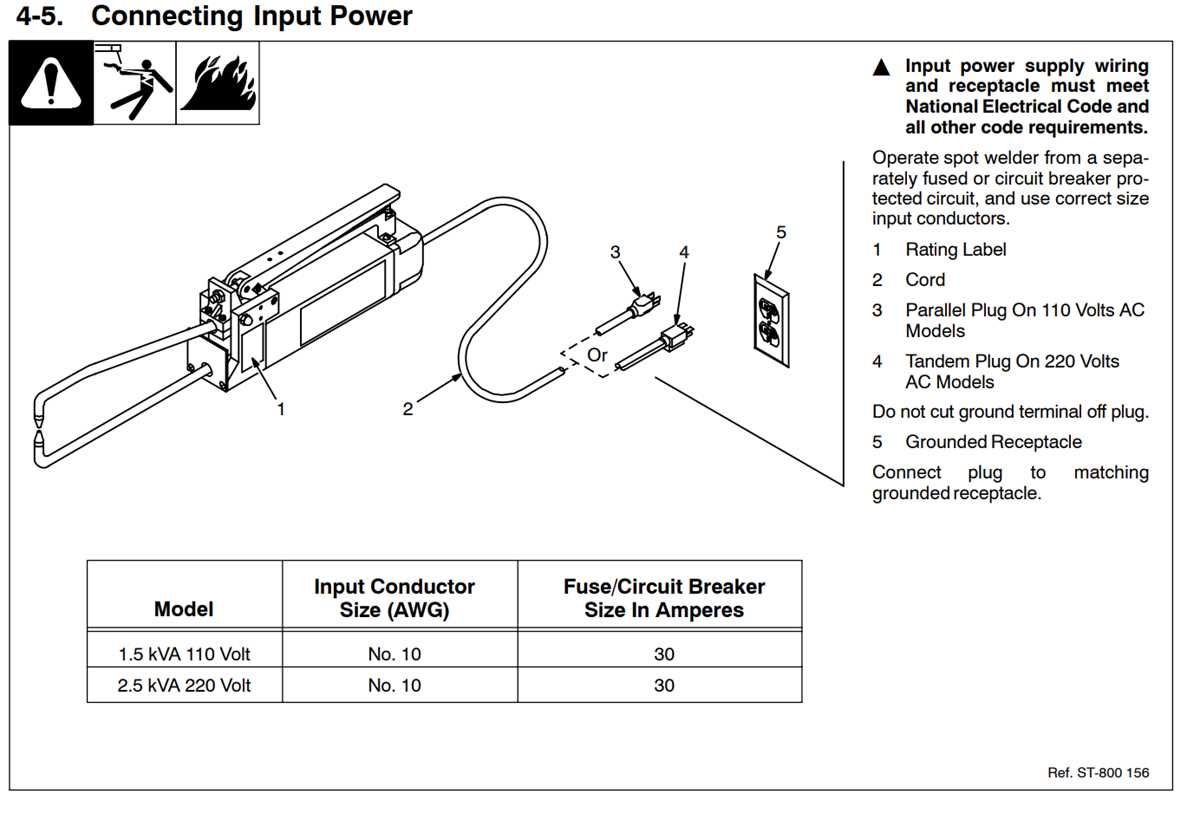
Connect the hot conductors to the two brass terminals and the neutral conductor to the silver terminal. Ensure all connections are tight to prevent overheating and maintain reliable operation.
Use a properly rated cable capable of handling 20 amps or more. Inspect insulation and remove any damaged sections before installation to reduce the risk of short circuits or fire hazards.
Mount the receptacle in a grounded metal or approved plastic box. Secure the device firmly to prevent movement that could loosen connections over time.
Test the assembled circuit with a voltage tester or multimeter before using any high power appliances. Verify polarity and continuity to ensure correct operation and prevent damage to connected devices.
Guide to Connecting a High Power Receptacle Safely
Attach the two hot conductors to the brass terminals and the neutral conductor to the silver terminal. Check that all screws are tight and that no strands of wire are exposed outside the terminals. Connect a green or bare copper wire to the metal box for grounding to prevent electrical hazards.
Follow these installation steps for reliable operation:
- Use a cable rated for 20 amps or higher and inspect the insulation for cuts or wear.
- Strip 10 millimeters of insulation from each conductor without nicking the strands.
- Secure the receptacle in a grounded enclosure and tighten mounting screws evenly.
- Test each conductor with a multimeter to confirm proper polarity and continuity before connecting any devices.
Identifying Conductors and Terminals for High Power Installation
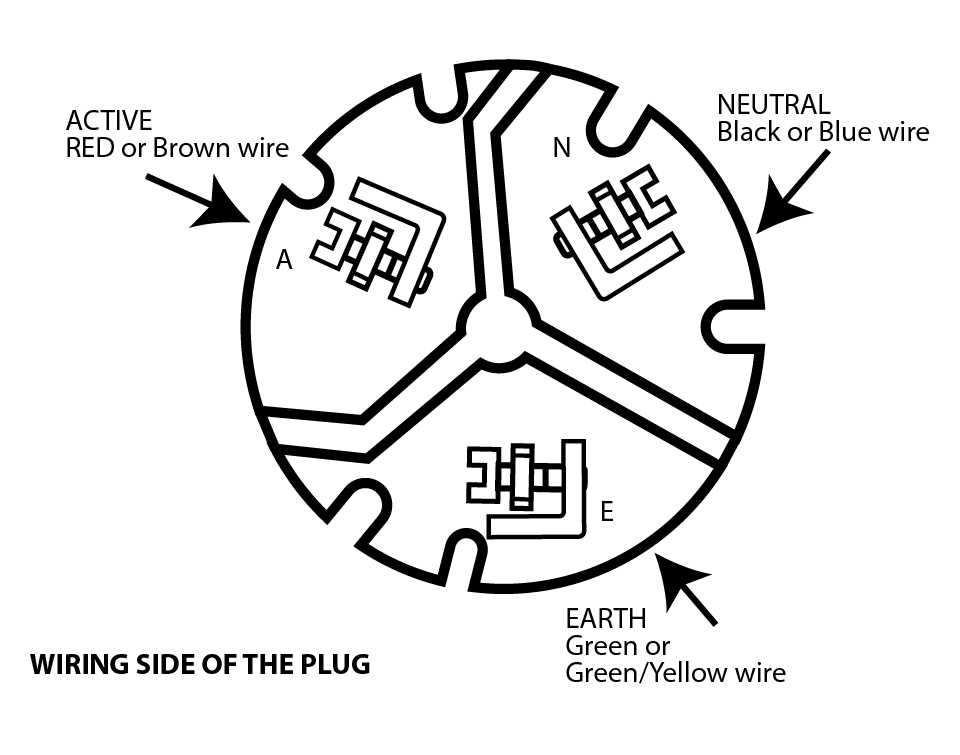
Identify each conductor before making connections. Hot lines should be marked with black or red insulation, while the neutral conductor is white or gray. Grounding must be a green or bare copper wire attached to the enclosure.
Check each terminal for corrosion or loose screws. Secure all connections firmly to prevent overheating and arcing during operation.
Use a continuity tester to verify each conductor before installation. Confirm that hot, neutral, and ground paths are isolated to prevent accidental shorts and ensure safe operation.
Color Coding and Terminal Layout
Maintain consistent color coding for all conductors. Black or red leads connect to the brass terminals, white or gray connects to the silver terminal, and green or bare wire connects to the grounding screw. Label each conductor to simplify assembly and troubleshooting.
Measure the length of each conductor and strip 10–12 millimeters of insulation before insertion into terminals. Avoid nicking strands, which can reduce conductivity and increase the risk of failure.
Inspection and Testing
After securing all conductors, perform a visual inspection for loose strands or exposed copper. Tighten screws if necessary and ensure that strain relief clamps hold the cables securely in place.
Test the assembled circuit with a multimeter. Verify continuity and correct polarity between hot, neutral, and ground to confirm that the installation is safe and ready for connection to high power devices.