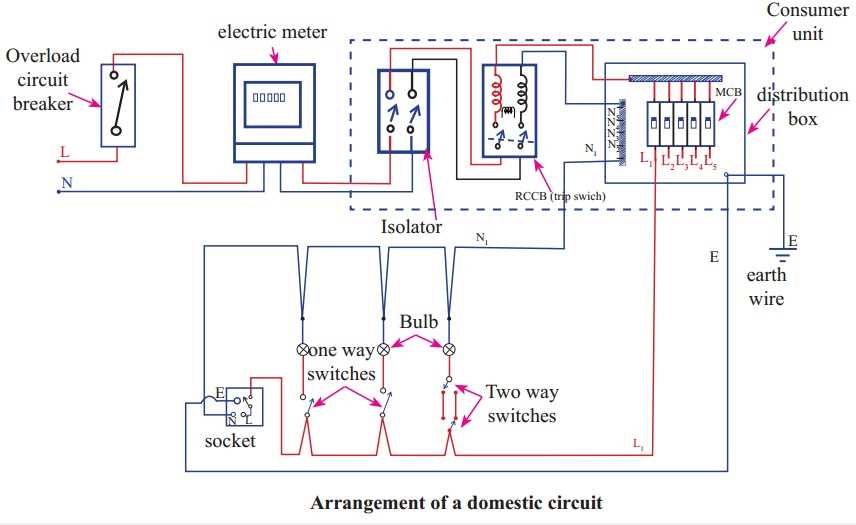
To properly maintain or repair the electrical system in your home, start by familiarizing yourself with the wiring setup. Knowing how different components like switches, outlets, and breakers are connected allows you to identify and address issues more effectively. The first step is to locate the main power panel, which controls the flow of electricity throughout the house. Make sure you understand the connections from this panel to various parts of the building.
Look for clear markings on the main distribution board that indicate the circuit connections to key areas like the kitchen, living room, and bedrooms. Each of these circuits will have different amperage ratings based on the number of devices in use and their power requirements. Having this knowledge is crucial when troubleshooting problems, especially in older homes where wiring may not be up to modern standards.
Regularly check your wiring system for signs of wear and tear, such as exposed wires or damaged insulation. Ensure all outlets and switches are functioning correctly to avoid safety hazards. If you are unfamiliar with electrical components, consider consulting a professional to inspect and make necessary updates to prevent accidents.
How to Read and Interpret Electrical Layouts in Your Home
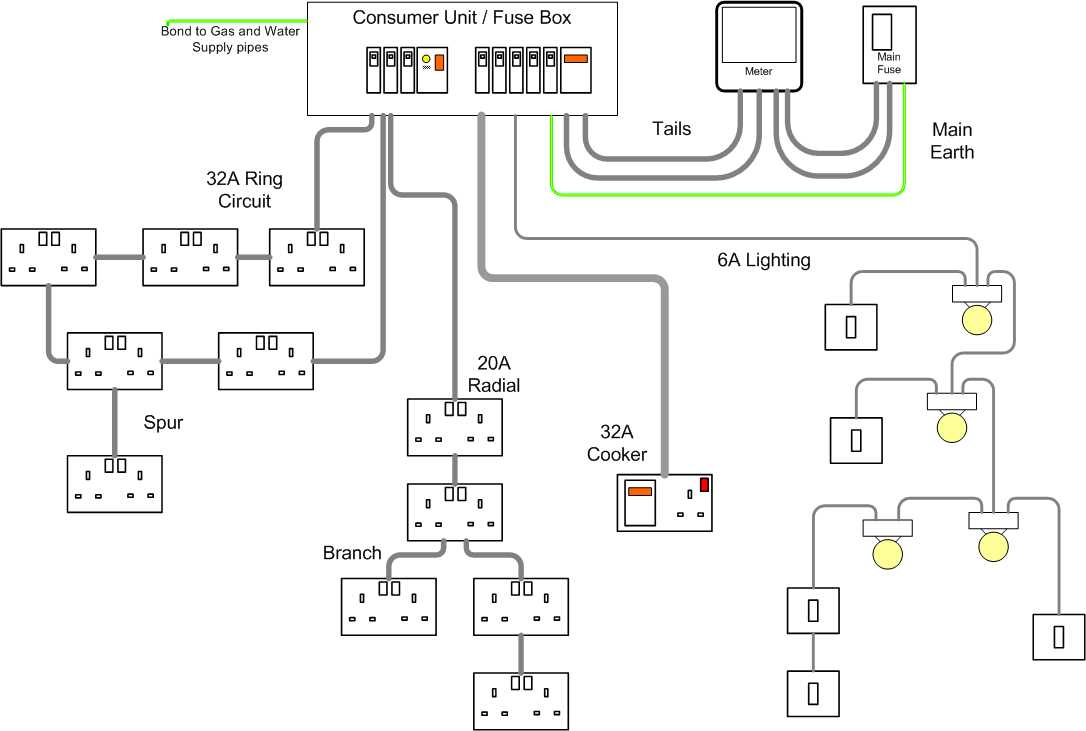
Start by identifying the main power supply panel. This is where all electrical feeds in the home originate. Each breaker in the panel corresponds to a specific section of your property, such as rooms or appliances. By understanding the layout, you can easily locate areas that may need attention or may be causing issues.
Identifying Key Electrical Components
Next, look for key elements such as switches, outlets, and lighting fixtures. These are typically represented by standard symbols, making them easy to spot. Knowing where these components are connected helps in diagnosing faults. For example, if a particular area loses power, it is likely that the breaker for that section has tripped, and identifying the relevant connections will help you pinpoint the problem quickly.
If you’re working on repairs or upgrades, be aware of how appliances are wired. The diagram will show you how major devices like water heaters or HVAC systems are linked to the power distribution network. This insight is invaluable for ensuring your home’s electrical system meets safety standards and can handle the demands of modern living.
Common Wiring Issues and Troubleshooting Tips
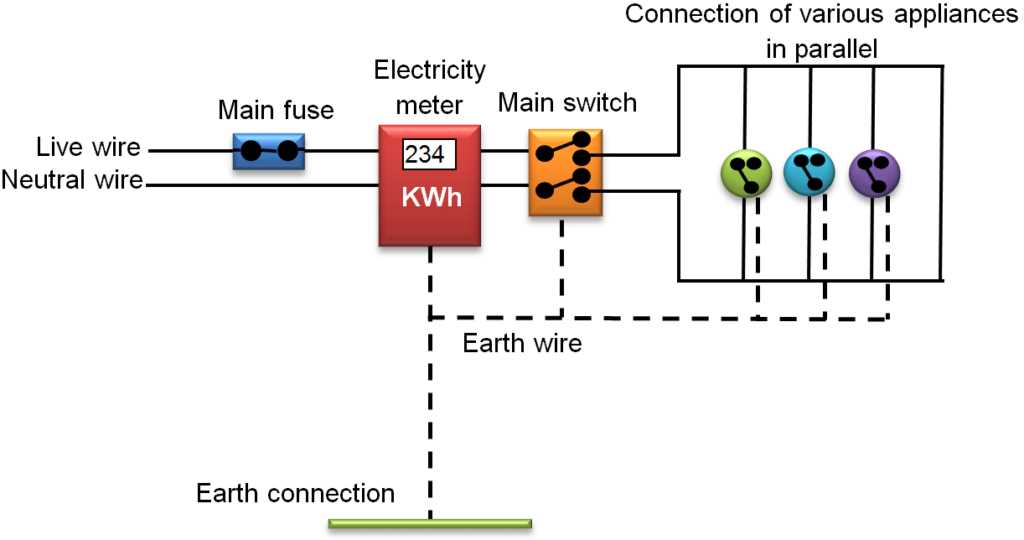
When dealing with problems such as frequent breaker trips or malfunctioning outlets, start by checking the load distribution across circuits. Overloaded circuits are one of the most common causes of electrical failures. By tracing the wiring from the main panel to individual areas, you can identify whether certain zones are drawing excessive power. Proper understanding of these connections allows for faster troubleshooting and ensures that repairs are made safely and accurately.
How to Identify Key Components in a Household Electrical Layout
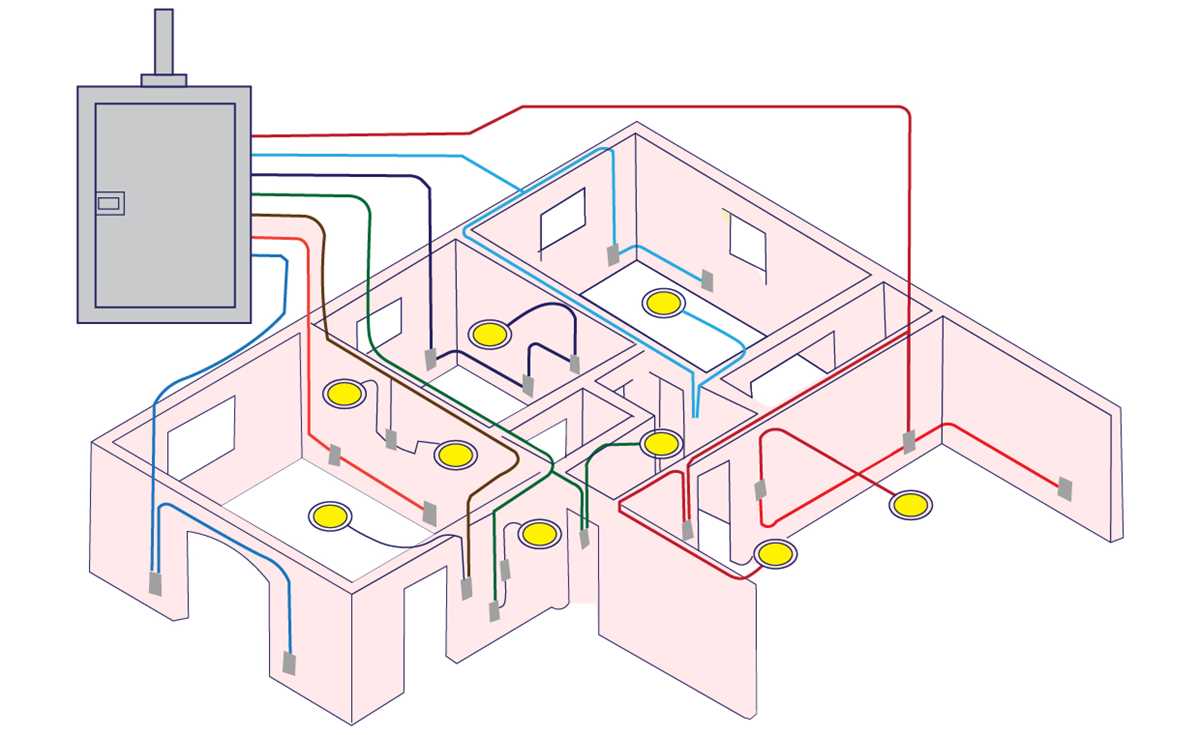
Begin by locating the main power supply panel, which serves as the heart of your home’s electrical network. This panel controls all electricity distribution, and each breaker corresponds to a specific section or device. Knowing where this panel is will help you trace the flow of electricity throughout your property and identify any potential issues quickly.
The next key component to identify is the breaker switch. These devices are crucial for controlling power to specific areas or appliances. If one part of the home loses power, checking the breaker for that zone will often reveal the cause. Each switch in the panel is labeled with a corresponding area or appliance, making it easier to troubleshoot power loss.
Outlets and switches are also vital components to locate. These are where electrical devices plug in, and understanding their connections will help with issues related to power supply. In some cases, outlets can become faulty due to wear or poor connections, so knowing their wiring pattern will make it easier to address any problems. They are typically represented by standardized symbols, making them easy to spot on a schematic.
- Ensure you understand the power ratings and types of outlets (e.g., standard or GFCI outlets).
- Check the load capacity to avoid overloading a single line.
Lighting fixtures should be examined next. These components are typically connected to switches that control the flow of electricity to the lights. Identifying the specific wiring connections for each light fixture helps prevent circuit overloads and ensures that lights are correctly connected. Additionally, it’s important to know which fixtures are linked to each breaker in the panel to help with troubleshooting.
Lastly, don’t forget to identify the grounding system. This part of the wiring ensures electrical safety by directing excess electricity to the earth in case of a fault. It is often represented by a grounding symbol or a specific line in the schematic. A properly grounded system is vital for preventing electrical shock and damage to devices.