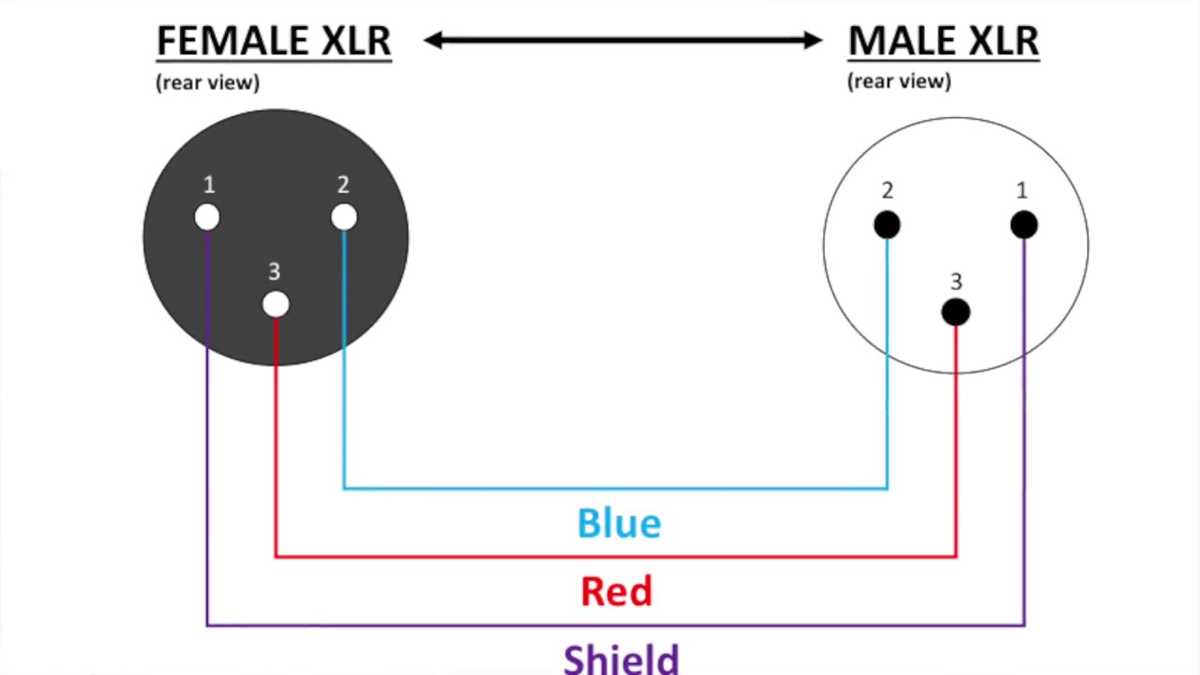
Use high-quality copper cables rated for 24 AWG or thicker for professional signal transfer. Identify each lead carefully: pin 1 is ground, pin 2 carries the positive signal, and pin 3 carries the negative signal. Proper labeling prevents accidental reversals during assembly.
Strip insulation precisely to expose 3–4 millimeters of conductor. Avoid nicking the strands, as this can reduce conductivity and create unwanted interference in the audio path.
Solder connections using a temperature-controlled iron set to 350°C. Apply flux sparingly to prevent buildup on terminals, which can lead to poor contact and signal degradation.
After assembly, test each channel with a continuity meter to ensure correct polarity and that no shorts exist between the ground and signal leads. Secure the housing and check strain relief to prevent cable damage during frequent movement or connection cycles.
Pinout and Assembly Guide for Balanced Audio Connections
Identify each terminal clearly: pin 1 is ground, pin 2 carries the positive signal, and pin 3 carries the negative signal. Correct identification prevents phase issues and signal loss.
Use a multimeter to verify continuity before soldering. Check for shorts between pins and confirm the polarity of each conductor to maintain proper signal flow.
Strip insulation carefully to expose 3–4 millimeters of each conductor. Avoid nicking strands, as this reduces conductivity and increases the risk of signal interference.
Apply a small amount of flux to terminals before soldering. Heat the joint with a temperature-controlled iron at approximately 350°C, ensuring the solder flows evenly around the strands and terminal.
Secure each conductor firmly to its corresponding pin. Check for cold solder joints, which appear dull or grainy, and reflow any suspect connections to ensure reliable performance.
Cable Preparation and Housing Assembly
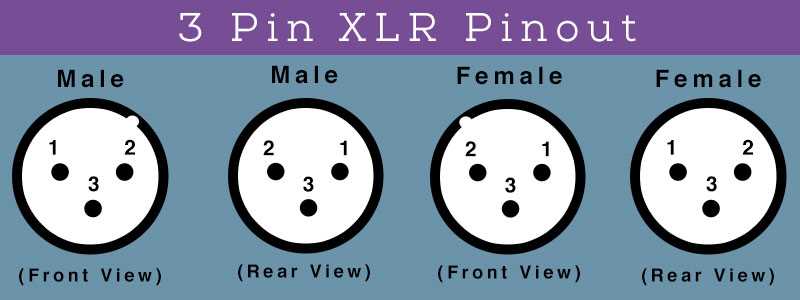
Slide the outer shell over the conductors before soldering. After all joints are secure, insert the strain relief clamp to prevent mechanical stress from damaging the contacts during repeated use.
Test each assembled cable with a continuity meter or signal tester. Verify that ground, positive, and negative paths are correct, and that no cross-connections exist between terminals.
Final Checks and Troubleshooting
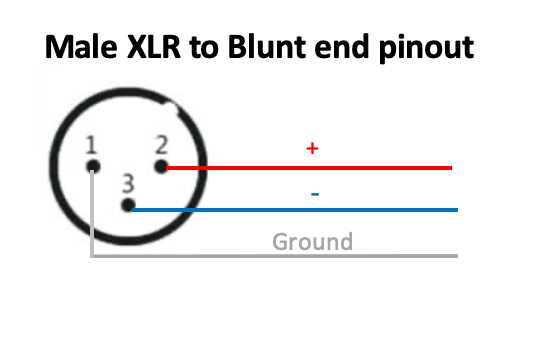
- Inspect the assembly visually for loose strands or excess solder.
- Confirm that the shell closes completely and the locking mechanism functions smoothly.
- Test the completed assembly with a playback device to ensure clean, interference-free audio transfer.
Identifying Pins and Conductors for Balanced Audio Connections
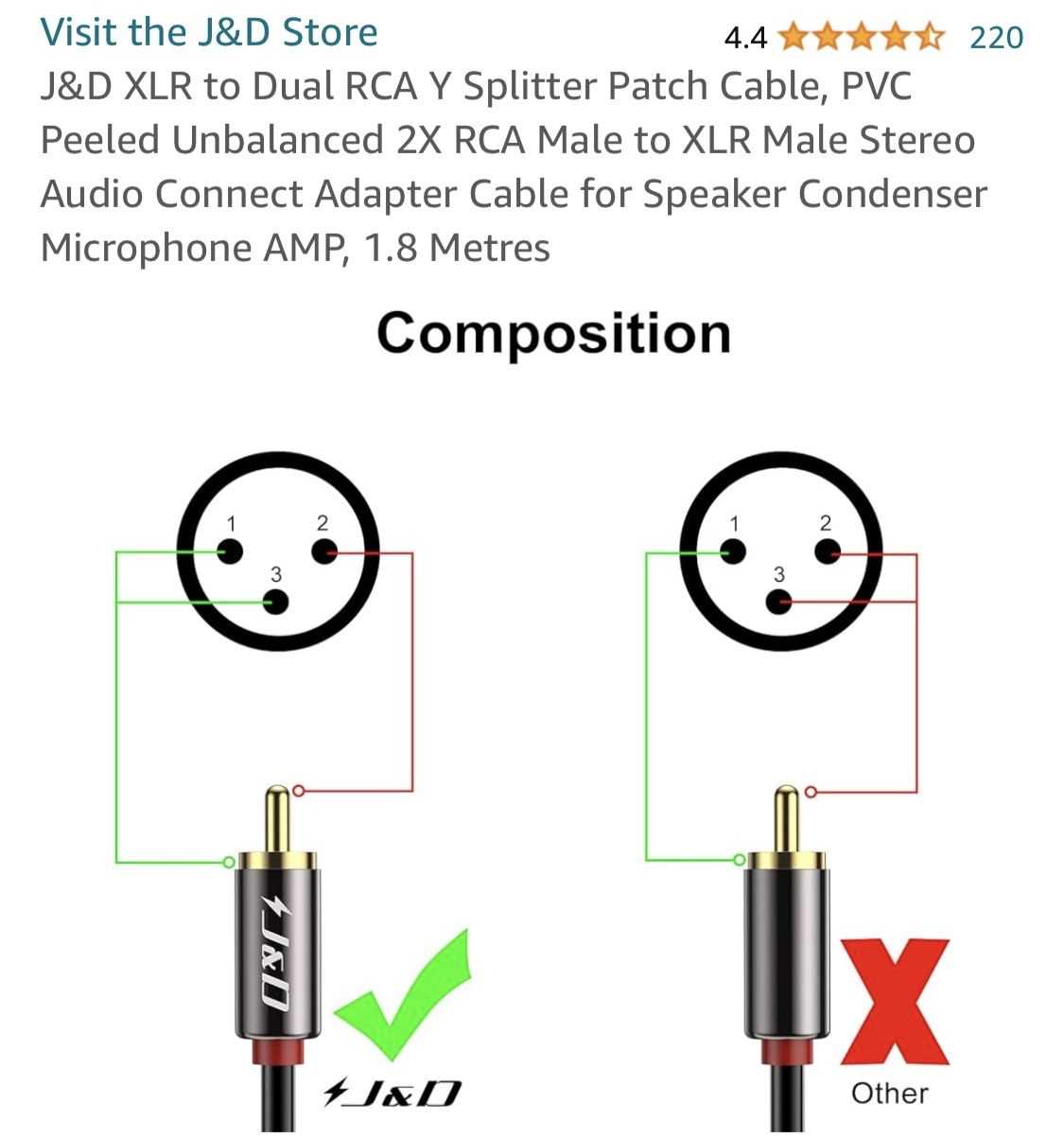
Mark each terminal before assembly: pin 1 is ground, pin 2 carries the positive signal, and pin 3 carries the negative signal. Accurate identification prevents phase reversal and ensures correct signal transfer.
Use a continuity tester to verify each lead before connecting. Check that ground, positive, and negative paths are isolated to avoid shorts and maintain clean audio performance.
Examine cable strands for fraying or oxidation. Replace any damaged conductors and trim strands to the proper length to fit securely into terminals without creating loose or uneven joints.
Color Coding and Labeling
Use consistent color coding for all conductors: black or red for positive, white or green for negative, and bare or green for ground. Label each cable end to simplify troubleshooting and reduce assembly errors during multiple installations.
Verification Before Assembly
Test each prepared cable with a multimeter to confirm continuity and proper polarity. Correct labeling and verification minimize the risk of noise, interference, or reverse signal flow when the assembly is connected to audio equipment.