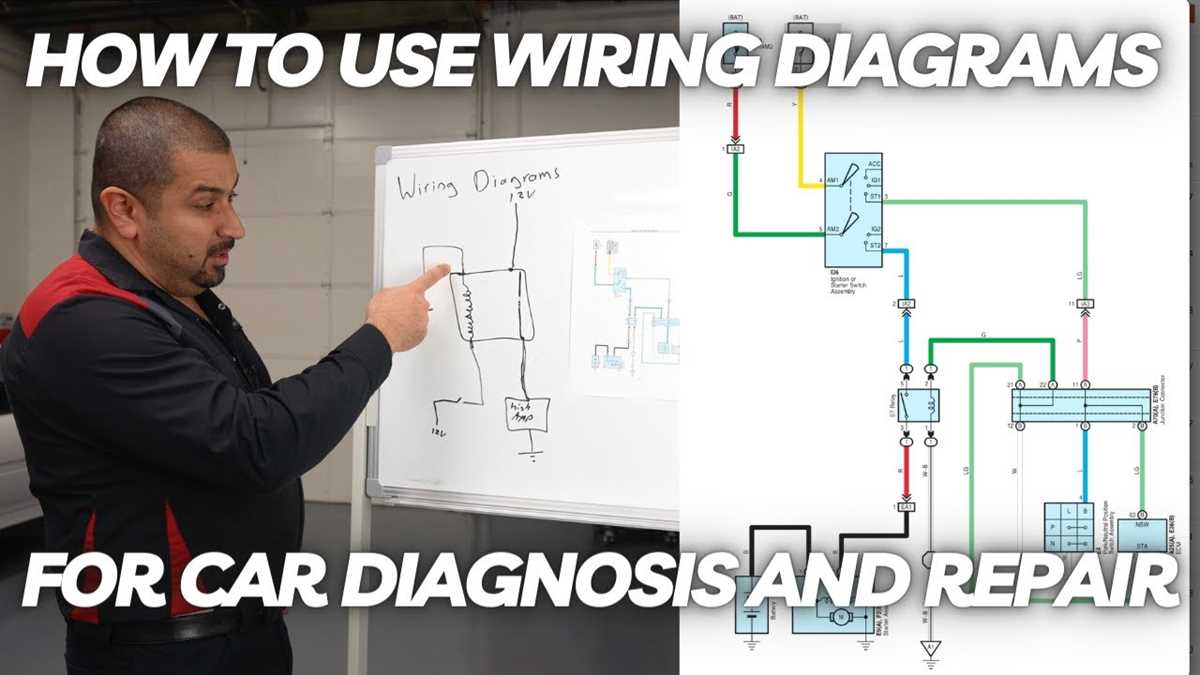
Download verified schematics for specific car models to trace battery connections, fuse panels, and signal pathways accurately. Ensure the file format is compatible with your reference tools, such as PDF or CAD.
Verify connector pinouts before making modifications. Pin locations often differ between trims and model years, so cross-check manufacturer part numbers to prevent misconnection or component damage.
Identify primary circuits including ignition, charging, and lighting systems. Label all terminals and pathways clearly to reduce errors during repairs or installations and maintain system integrity.
Use color-coded references to distinguish between high-current and signal lines. This approach helps prevent accidental shorts and simplifies troubleshooting, especially in complex networked systems like CAN or LIN buses.
Accessing and Downloading Free Automotive Electrical Layouts
Start by locating verified sources that host detailed car schematics for various models. Prioritize official repositories or enthusiast platforms that provide structured files with accurate labels.
Check model and year compatibility before downloading any layout. Electrical pathways can vary significantly even between consecutive production years, so selecting the correct version prevents errors during installation or repairs.
Choose the appropriate format for your review tools. Commonly used formats include PDF for quick reference, CAD files for modification, and vector images for high-resolution inspection of connector pins and fuse panels.
Organize downloaded files systematically by manufacturer, model, and system type. Maintaining a consistent folder structure simplifies future searches and reduces the risk of using outdated or incorrect layouts.
Verify connector and terminal information after accessing a layout. Pin assignments, color codes, and ground points must be cross-checked with service manuals to ensure accuracy before conducting any modifications.
Use offline copies during installations to avoid interruptions caused by unstable internet connections. High-resolution files allow zooming into complex signal paths without losing clarity, which is crucial for tracing multi-branch circuits.
Keep a log of updates from the sources you use. Manufacturers occasionally release revisions or corrections to original layouts, so tracking updates ensures that your references remain reliable.
Secure all downloaded content with proper backup procedures. External drives or cloud storage with version control help prevent data loss and allow retrieval of previous layouts for comparison when troubleshooting system anomalies.
Understanding Key Components in Vehicle Electrical Schematics
Identify fuses and relays first, as they protect circuits from overload and control high-current devices. Each fuse is rated by amperage, and relays often include a coil and contact terminals to switch circuits on or off.
Locate connectors and terminals carefully. Connector types vary from simple two-pin plugs to complex multi-pin modules. Accurate identification ensures proper interface between harnesses and control units.
Trace grounding points throughout the layout. Ground locations provide return paths for current and are critical for preventing voltage drops and signal interference.
Inspect switch and sensor symbols. These represent user controls and input devices, such as ignition switches, temperature sensors, and brake sensors, which influence circuit behavior.
Review actuator and module placements. Actuators convert signals into mechanical or electronic actions, while modules process inputs to control outputs like lights, pumps, or window regulators.
| Component | Function | Common Location |
|---|---|---|
| Fuse | Protects circuit from overload | Fuse box or panel |
| Relay | Switches high-current devices | Under dash or engine compartment |
| Connector | Joins multiple harnesses | Along harness routes or near modules |
| Sensor | Provides real-time data to modules | Engine, brakes, or climate systems |
| Actuator | Executes module commands | Doors, HVAC, or fuel systems |
Cross-reference component symbols with pinouts to verify connections. Mismatched pins can cause malfunctions, so accurate tracing prevents shorts and system failures.
Tips for Safely Using Automotive Electrical Configurations
Always disconnect the main energy source before inspecting or modifying circuits. Verify voltage levels with a multimeter and ensure that all fuses are rated correctly for the specific route. Use insulated tools and avoid placing metallic objects near exposed connectors to prevent shorts.
Organize connections systematically and label each terminal to reduce errors during maintenance. Follow proper sequence when reconnecting components, and avoid forcing plugs into mismatched sockets. Regularly inspect for corrosion, frayed strands, and loose mounts, as these can lead to inconsistent operation or complete system failure.