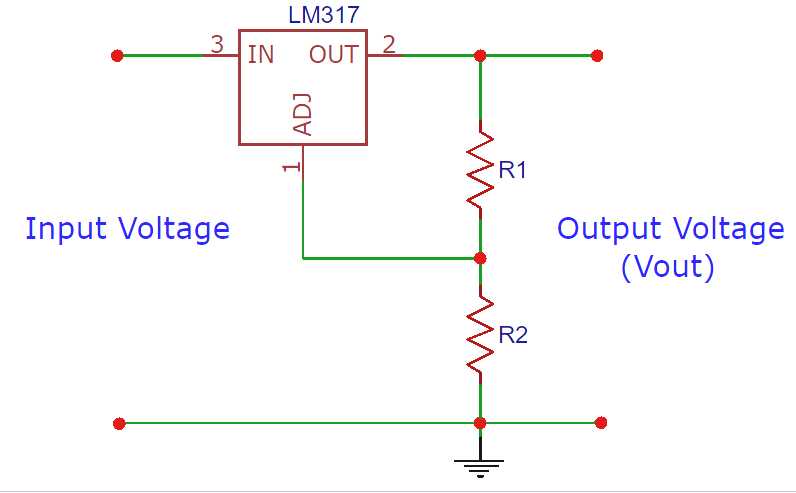
To build a reliable charging system for rechargeable batteries, begin with understanding the charging method suitable for the battery type. For nickel-cadmium batteries, a constant current or trickle charging approach is commonly used, and it’s vital to ensure proper voltage control during charging.
Start by selecting the right components, including voltage regulators, diodes, and transistors, which will control the flow of electricity into the battery. These components help manage the charge rate and prevent overcharging, which can damage the cells or reduce their lifespan.
Make sure to incorporate a current-limiting resistor to maintain a safe and consistent charge rate. Additionally, temperature monitoring might be required to prevent overheating during the charging process. A well-designed setup will balance the power input, prevent excess heat, and ensure a longer lifespan for the battery.
Nicd Charger Circuit Diagram
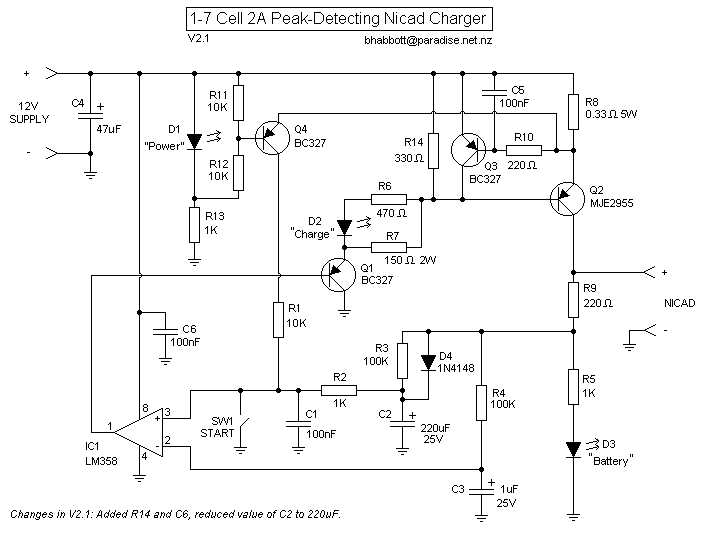
For a reliable charging system, ensure you use a constant current design to safely charge nickel-cadmium cells. The current should be controlled and regulated based on the battery’s rating, typically 0.1C to 0.3C (where C is the battery capacity). Ensure the current does not exceed the battery’s maximum charge rate to prevent damage or overheating.
Use a voltage regulator to maintain a stable output voltage that is slightly higher than the battery’s rated voltage. This ensures that the cells charge fully without overcharging, which could cause degradation. Adding a diode to prevent reverse current flow is a key step in protecting your setup.
- Capacitors: Use filter capacitors to smooth voltage fluctuations.
- Transistors: Choose appropriate transistors to handle the current flow without thermal overload.
- Resistors: Implement current-limiting resistors to safely control the charge rate.
Finally, consider integrating a temperature sensor to monitor the battery temperature during charging. If the temperature rises too high, the system should automatically stop or reduce the charging current to prevent damage. Proper heat dissipation and air circulation are also important to avoid overheating.
Key Components Required for a NiCd Battery Charger
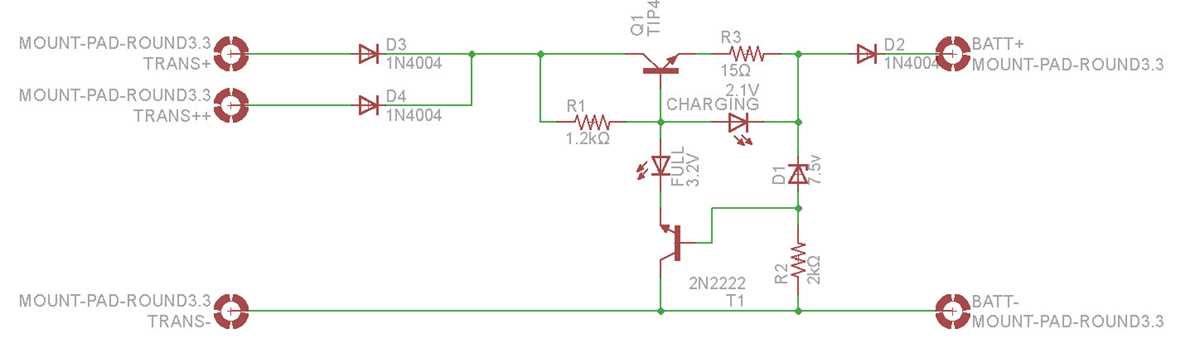
The first component you’ll need is a voltage regulator, which ensures that the output voltage is stable and appropriate for charging the battery. This will prevent overcharging, which can lead to cell damage. A common choice for this purpose is a LM317 adjustable regulator, which allows you to fine-tune the output voltage to suit the battery’s charging needs.
Current Limiting Resistor
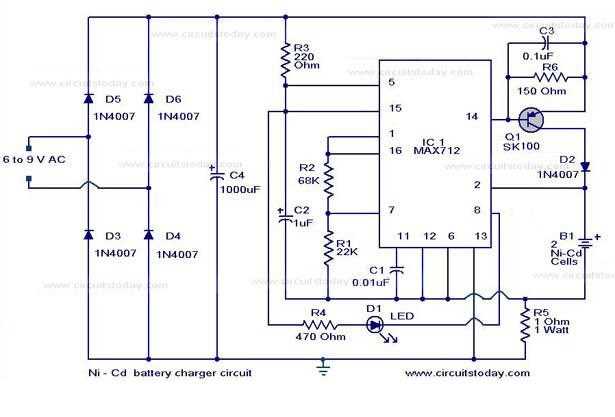
To safely charge the battery, you must control the current supplied. A current-limiting resistor is used to restrict the amount of current entering the battery, ensuring it doesn’t exceed the recommended rate. The value of the resistor should be calculated based on the battery’s capacity and charge rate, typically in the range of 100mA to 300mA.
Diodes for Protection
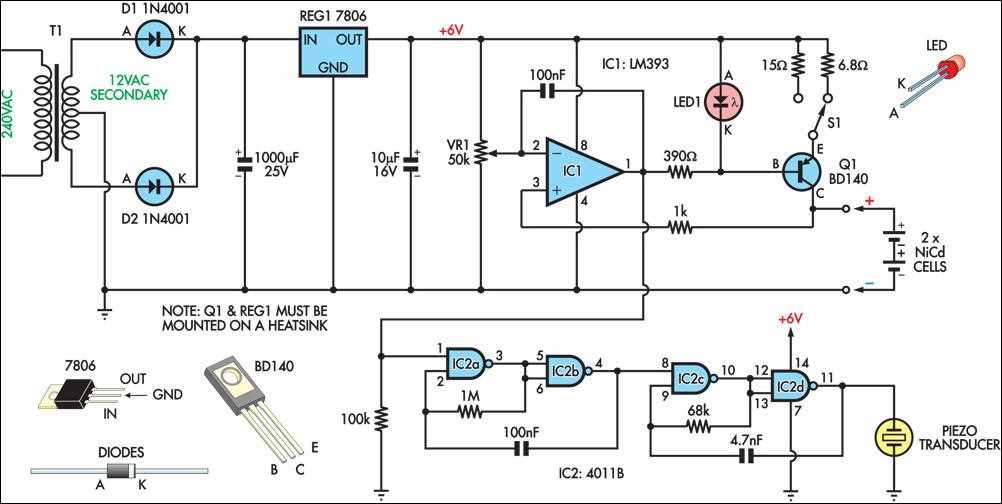
Incorporate a diode in the design to protect the circuit from reverse current. A simple 1N4007 diode can be used to block any reverse voltage that could damage the components or the battery. This also ensures that the energy flows in one direction only, preventing discharge into the charger.
A filter capacitor is used to smooth out any ripple in the DC voltage. This component stabilizes the voltage supplied to the battery, improving the charging efficiency. A 100 µF electrolytic capacitor is typically sufficient for this purpose in most small charging circuits.
Finally, a transistor (such as a 2N2222 NPN transistor) may be required to control the switching of the charging current. This allows the circuit to handle higher currents, especially in larger charging systems, and provides better control over the on/off switching of the power supply.