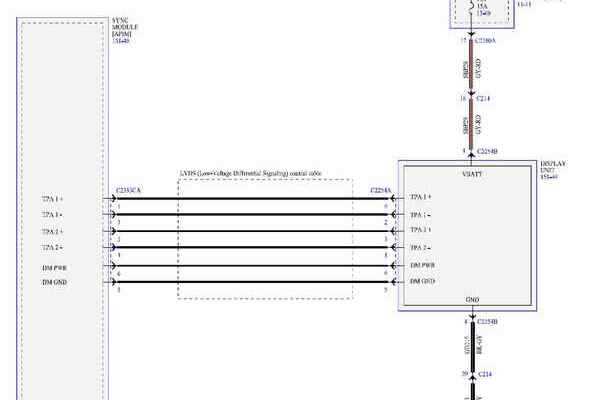
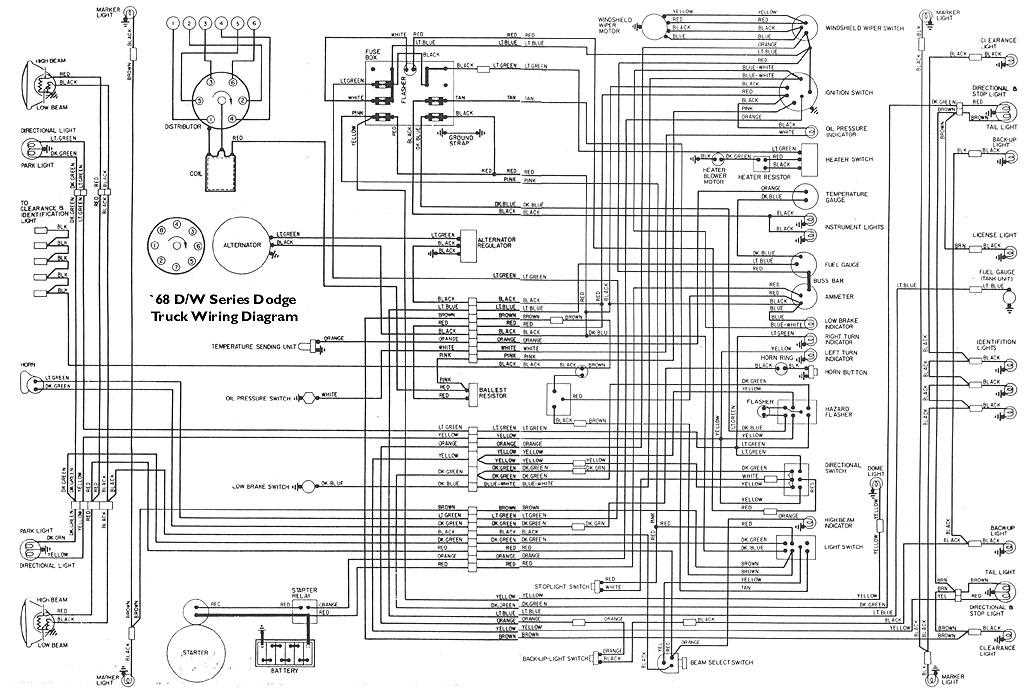
Use the factory color codes from the dashboard harness before connecting an aftermarket head unit: the constant 12-volt feed is typically pink with a yellow stripe, the switched ignition supply appears as red with a white stripe, and chassis ground is commonly black with a light-green trace. Verifying these three lines with a multimeter prevents blown fuses and protects the new stereo receiver from reversed polarity.
The illumination lead inside the dash bundle is usually orange. This conductor allows the display of the in-dash player to dim once the parking lights are activated. Connect it to the lighting input of the replacement unit only if the receiver supports brightness synchronization; otherwise isolate the lead with heat-shrink tubing to avoid stray voltage contact.
Speaker channels follow a predictable pattern inside this truck platform. The front left pair often uses dark green with red stripe (positive) and brown with red stripe (negative). The front right channel commonly appears as dark blue with red stripe (positive) and dark blue with white stripe (negative). Confirm polarity before final crimping; reversed orientation weakens bass response and shifts stereo balance.
Rear door outputs continue the same color-coding logic. The rear left speaker lines are frequently brown with yellow stripe (positive) and brown with light-blue stripe (negative). The rear right circuit usually shows dark blue with orange stripe (positive) paired with brown with orange stripe (negative). Label each conductor while the center console trim is removed, because the harness bundle sits deep behind the dash support bracket and becomes difficult to trace once panels are reinstalled.
Pickup Truck Audio Unit Connection Map: Practical Guide for Installation and Troubleshooting
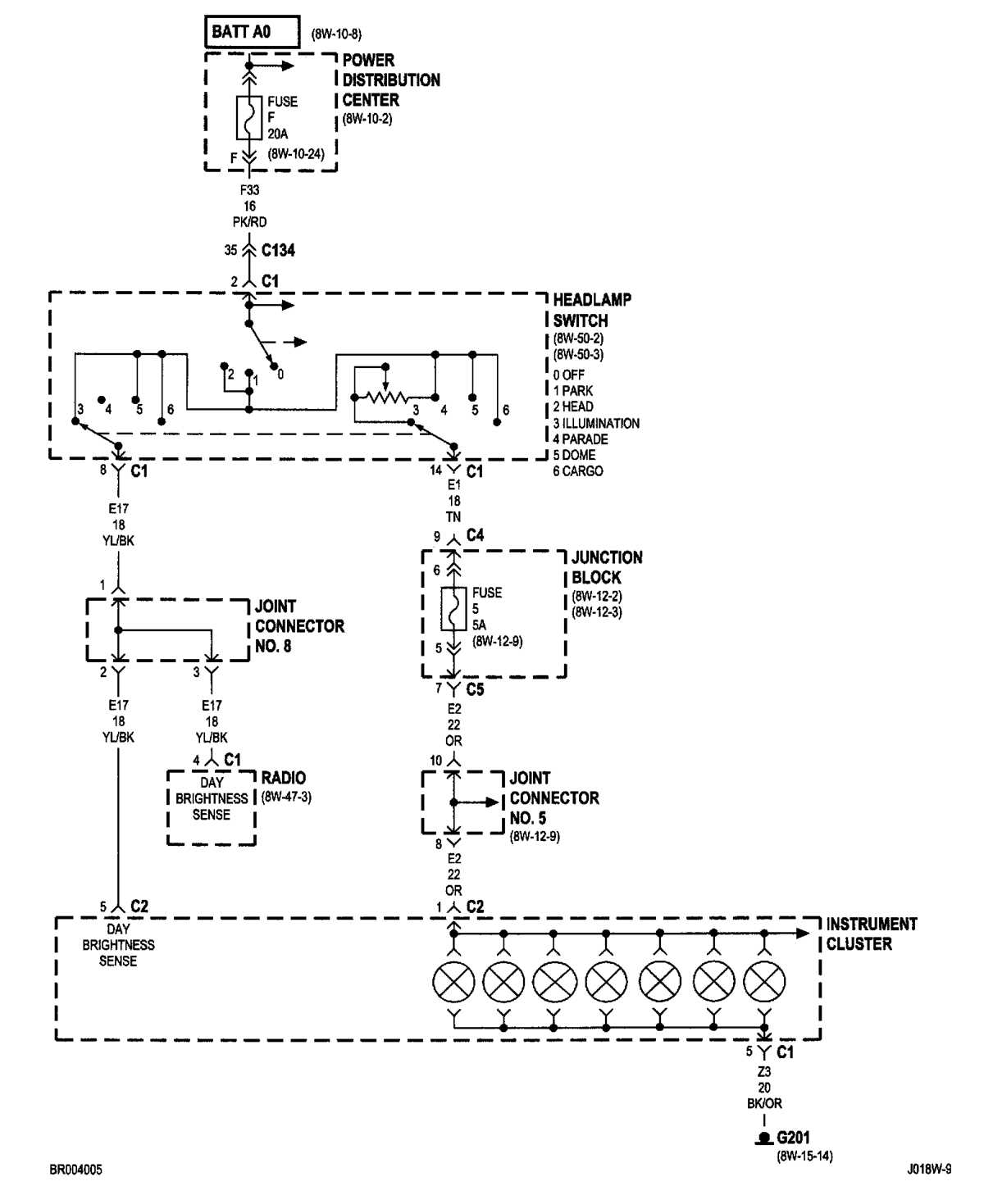
Check the power lead at the dash harness before mounting the head unit. The constant supply line in this Chrysler full-size pickup from the early-2000s typically uses a pink or red stripe conductor delivering about 12 V directly from the fuse panel, while the ignition-switched feed often appears as a dark green or yellow trace that becomes live only after the key turns to ACC or RUN. Confirm voltage with a multimeter rather than relying on color alone. The ground path usually attaches to a black conductor fixed to the chassis metal behind the center console bracket.
Speaker channels follow a paired layout. Front left commonly uses dark green for positive and brown/red for negative, while front right frequently appears as dark blue with red stripe paired with light blue for the return line. Rear channels may use brown/yellow and dark green/orange combinations depending on factory harness batch. Connect pairs carefully; reversing polarity causes thin bass response and unstable stereo positioning. Use crimp connectors or solder joints protected with heat-shrink tubing. Avoid twisting bare conductors together behind the dash because vibration from the V8 engine and rough road surfaces loosens unsecured contacts within months.
If the head unit powers up but produces silence, measure continuity from each speaker lead to the door harness plug. Resistance near 4–8 ohms usually indicates an intact driver; infinite resistance suggests a break in the door hinge loom. Intermittent shutdown during high volume often traces back to a weak accessory feed or a partially blown fuse in the interior panel. When illumination fails at night, inspect the orange or orange/white lead tied to the instrument dimmer circuit. Accurate identification of each conductor prevents short circuits that may disable interior electronics or blow the memory fuse controlling presets and clock retention.
Color Codes and Functions of Factory Audio Unit Wires in the Pickup Truck
Match each conductor by color before connecting a new head unit: constant power is supplied through a yellow lead with a red stripe, while switched ignition feed is typically a red wire with a white stripe. These two lines must never be reversed, because memory circuits require uninterrupted battery voltage. Ground return usually appears as a black conductor attached to the metal body behind the dashboard; confirm continuity with a multimeter before installation.
Speaker outputs follow paired color patterns where the solid tone marks the positive channel and the same tone with a black tracer indicates negative polarity. This pattern allows quick channel identification without tracing the entire harness. If polarity is flipped, bass response weakens and stereo imaging shifts toward the center.
Main Power and Control Leads
- Yellow/Red – battery feed that maintains presets and clock data.
- Red/White – ignition-switched supply activated by the key.
- Black – chassis ground connection.
- Orange – dashboard illumination signal tied to the dimmer circuit.
- Blue – trigger output used for a power antenna or external amplifier relay.
Illumination wiring often causes confusion during aftermarket installation. The orange lead carries voltage when dashboard lights are active, allowing display brightness to follow the instrument panel dimmer. If the replacement head unit lacks dimming support, cap this conductor with insulation rather than leaving it exposed behind the console.
Speaker Channel Identification
- Front left: dark green (positive) and dark green with black stripe (negative).
- Front right: violet (positive) and violet with black stripe (negative).
- Rear left: brown (positive) and brown with yellow stripe (negative).
- Rear right: blue (positive) and blue with white stripe (negative).
Before connecting new equipment, measure resistance across each speaker pair; values near 4 ohms indicate a normal factory driver. A reading close to zero signals a short in the door harness. Secure connections with crimp connectors or solder joints and route the bundle away from HVAC ducts to avoid insulation wear caused by vibration behind the instrument panel.