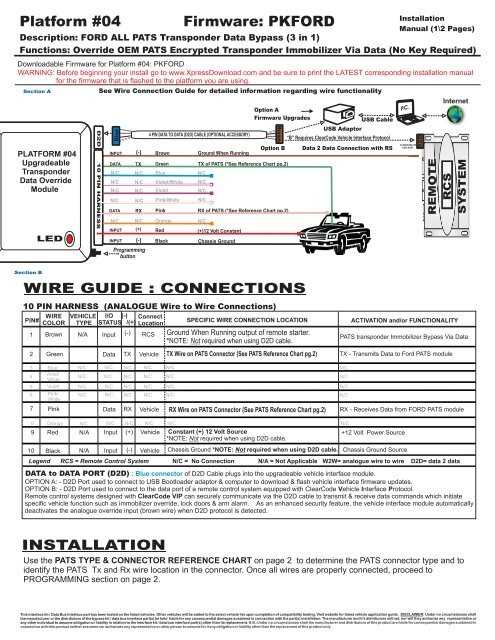
Locate the primary control unit behind the dashboard near the steering column. Identifying the correct connector is critical: look for a multi-pin module with a rectangular black casing and numbered terminals etched on the plastic.
Trace the security module lines to distinguish between power, ground, and signal circuits. Use a multimeter to verify continuity and voltage on each lead before attempting any adjustments. Incorrect connections can trigger faults in the electronic ignition system.
Use a dedicated relay or junction point to reroute the communication line temporarily. Connect the input from the ignition coil to the corresponding output on the immobilizer interface while maintaining proper insulation and secure connections. Avoid splicing wires without heat-shrink protection.
Test the system incrementally by powering the ignition and observing the dashboard indicators. If the security light remains off and the starter engages normally, the modification is functioning correctly. Otherwise, double-check the pin assignment against the module’s technical reference.
Document every step with photos and notes. This ensures that the original configuration can be restored if needed and provides a clear reference for future troubleshooting.
Engine Immobilizer Circuit Modification
Connect the transponder interface directly to the ignition control module, ensuring all grounding points are secure and free from corrosion. Use a 20-gauge wire to link the signal line between the key recognition unit and the electronic control box. Avoid splicing into the main fuse panel; instead, tap into auxiliary power feeds to prevent voltage drops.
Identify the serial communication path of the anti-theft unit by tracing the CAN bus from the dashboard connector to the engine computer. Mark each terminal with labels to prevent cross-connection. Shielded cables reduce interference and ensure the data pulses maintain proper timing.
Relay and Connector Integration
Replace the factory relay with a solid-state switch rated for at least 30 amps. Crimp terminals using a hydraulic tool to avoid loose contacts. Pay attention to the polarity markings on the relay socket to prevent reverse feed that could damage the ignition ECU.
When joining multi-pin connectors, align the keyway precisely before locking the clip. Use dielectric grease on pins to prevent oxidation and intermittent failures. Test continuity between the modified signal lines and the ECU before full assembly to confirm uninterrupted flow.
After installation, cycle the ignition three times without starting the engine to allow the system to register the modified interface. Check for fault codes using a diagnostic scanner capable of reading immobilizer memory. Ensure that no default security flags remain active before road testing the vehicle.
Identifying PATS Components in Ford Wiring Harness
Locate the transponder key receiver module first; it usually sits near the ignition cylinder and has a gray connector with multiple small pins. Confirm the part number stamped on its casing to match the vehicle model year.
Trace the wiring from the receiver module to the engine control unit (ECU). Look for two distinct twisted pairs of wires–one carries power and ground, the other transmits coded signals. Measure voltage levels before attempting any modifications.
The immobilizer antenna ring surrounding the ignition lock cylinder must be inspected for corrosion or broken traces. Even minor damage can interrupt signal recognition and prevent the vehicle from starting.
- Check connectors for bent or missing pins.
- Verify continuity across all signal wires with a multimeter.
- Mark each wire according to its function to avoid confusion during reassembly.
ECU communication wires are usually labeled with a combination of color codes and abbreviations. Green/white or yellow/black wires often carry the security data. Document every connection point for troubleshooting.
Identify the security indicator light on the dash. Follow its wiring back to the ECU; this line confirms whether the vehicle recognizes the authorized transponder signal. Intermittent flickering usually signals connector issues.
- Locate the body control module if applicable; some models route immobilizer signals through it.
- Check harness junctions for loose or corroded terminals.
- Use a scan tool to monitor real-time recognition of the key transponder.
Finally, inspect grounding points for the entire system. Inadequate grounding can cause false security errors. Clean all metal contacts and torque screws to manufacturer specifications to ensure stable operation.