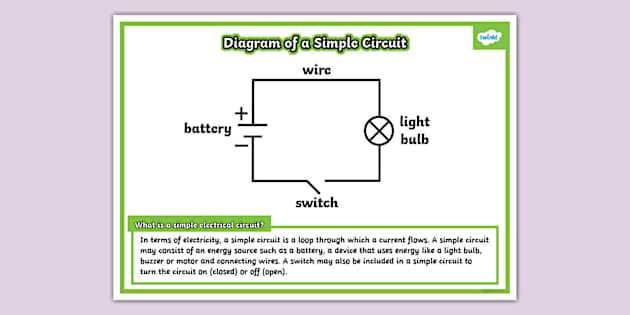
To accurately interpret an electrical setup, begin by familiarizing yourself with the key symbols and components. Each part of the system, from resistors to power sources, is represented using specific shapes that convey their function. Understanding these symbols is the first step in understanding how the entire system operates.
Next, focus on the flow of current. In most visual layouts, you’ll see lines connecting various components. These lines are not just drawn randomly; they represent the path through which electricity flows. Recognizing how these paths connect devices like switches, capacitors, and transformers will give you a clearer understanding of how the system works.
Finally, pay attention to the layout of components. Whether the setup is series or parallel, the positioning of elements in relation to one another determines the overall performance. Understanding the difference between these two configurations is crucial for troubleshooting or designing systems.
Understanding the Basics of Electrical Symbols
Each element in a setup is represented by a specific shape, known as a symbol, which indicates its function within the system. For example, a circle represents a light bulb, a resistor is typically shown as a zigzag line, and a switch is depicted by a break in the line with a gap. Familiarizing yourself with these basic symbols is the first step to interpreting the layout of any system.
Next, you need to understand how these symbols connect. A line between two symbols represents a connection or pathway for current. When interpreting a layout, the connections tell you how the components interact with each other. Recognizing these connections helps determine how the electricity flows and where it is distributed in the system.
In more complex systems, you’ll encounter components like transistors or diodes, each with its own unique symbol. A transistor, for example, is often shown with three lines coming out of it, while a diode is depicted with a triangle pointing to a line. These symbols provide crucial information about how components control or direct electrical flow.
It’s important to keep in mind that not all symbols are universal. Different regions or industries may have slight variations in the way components are represented. However, once you learn the core set of symbols and their meanings, you will be able to interpret most electrical setups accurately.
How to Read and Interpret a Pictorial Electric System
Begin by identifying the key components. The elements within the system are usually depicted with standard shapes, such as squares for resistors or circles for light bulbs. Recognize these visual symbols as they represent the parts that make up the system.
Next, follow the pathways. Lines connecting these shapes show the routes for the electrical flow. These lines indicate how current moves through each component, often showing the direction with an arrow. Understanding these connections is key to knowing how power is distributed throughout the setup.
Pay attention to switches and control devices. They are often represented with a break in the line or a switch symbol. These components control the flow of electricity, allowing you to turn the system on or off or redirect the current. This is a critical part of understanding how the system operates in different states.
Look for any special components such as diodes or transistors. Diodes are typically shown as a triangle pointing to a line, while transistors are represented by three lines. These components regulate the direction or flow of the current and are integral in controlling electrical systems.
Identify any power sources. Batteries or power supplies are usually marked with a plus (+) and minus (-) sign, showing the polarity of the power source. This helps you understand which components are receiving power and where the current originates.
Observe the layout of the system. Some setups may include multiple branches, where the current splits and flows through different paths. Understanding how these branches interact will tell you how energy is shared between the components and how the entire system is interconnected.
Finally, refer to any labels or notations. Some systems will include additional information, such as voltage ratings or resistance values. These are crucial for understanding the operational limits and ensuring the system is designed and built to function safely and efficiently.