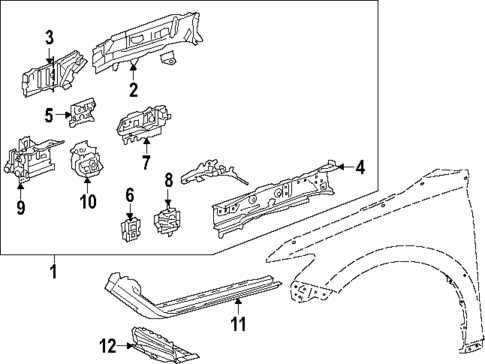
If you’re looking to repair or replace elements of your vehicle, the first step is identifying the specific parts in question. The structure of any car consists of several key sections that make up the framework and the exterior components. Each of these sections has its own function and must be maintained properly to ensure smooth operation.
Start by reviewing the different panels and how they interconnect. For example, the front end houses critical features such as the radiator, headlights, and grille, which are essential for both function and appearance. The side panels are crucial for safety, protecting occupants in the event of a collision.
When replacing damaged sections, ensure that you have the correct dimensions and part numbers. Access to detailed guides can simplify the process, especially when handling complex repairs. Understanding the layout of each component allows for more informed decisions when purchasing replacements and carrying out fixes.
Vehicle Exterior Components Breakdown
Start by identifying the primary sections of the vehicle that make up its structure. The front area typically includes the grille, bumper, and headlights. These elements protect the engine and allow for visibility during night driving. Regular inspection ensures these parts remain intact and function correctly, avoiding costly repairs.
The side panels are crucial for vehicle safety. They are designed to absorb impact in the event of a collision. These panels include doors, windows, and side skirts, which should be checked for any signs of dents, cracks, or misalignment. Ensure the door seals are intact to maintain the cabin’s insulation and protect against water ingress.
The rear portion of the vehicle contains the trunk, rear bumper, and taillights. These components are not only vital for functionality but also contribute to the overall aesthetic. The rear bumper needs to be sturdy enough to handle minor impacts without transferring damage to other systems. Make sure taillights are functioning properly to comply with safety standards.
How to Identify Key Components in the Vehicle Frame
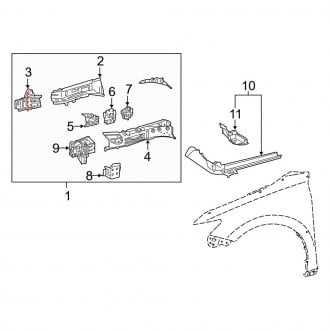
Begin by locating the front frame, which typically supports key structural elements such as the radiator and engine mount. Check for any visible signs of rust or damage around this area, as it plays a critical role in vehicle stability. Ensure the frame is free of cracks, particularly near suspension points.
The next area to inspect is the side reinforcement bars, which provide additional safety in the event of side impacts. Examine them for any deformation or corrosion that could compromise their strength. These bars are essential in maintaining the vehicle’s integrity during a collision.
At the rear, the support structure around the trunk and rear bumper is key for both safety and aesthetic purposes. Look for any misalignment or damage that could affect the performance of these components. The rear crossmember also plays a vital role in absorbing impact force in a rear-end collision, so check its alignment and condition regularly.
Step-by-Step Guide for Replacing Damaged Vehicle Components
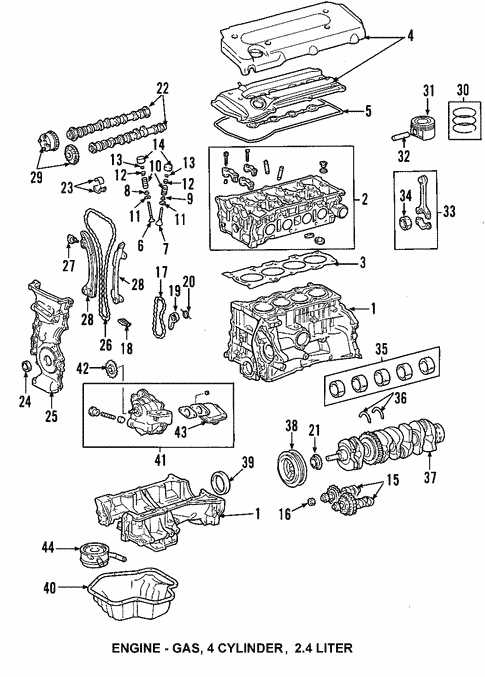
First, gather the necessary tools: a jack, safety stands, a wrench set, and a replacement component that matches the original specifications. Make sure the replacement part is the correct size and model for a proper fit.
Next, lift the vehicle using the jack and place it securely on safety stands. This will provide a stable working environment and prevent the vehicle from shifting during the repair. If needed, remove any obstructing panels or covers surrounding the damaged item.
Once the vehicle is lifted and secure, begin removing the damaged component. Use the correct tools to unscrew or unbolt it. Pay attention to the fasteners and keep them organized for later use in reassembly. If the damaged part is attached with clips or pins, carefully detach them to avoid any damage to the surrounding structure.
If the replacement component involves electrical connections, disconnect the battery to avoid any accidental short circuits. Then, carefully unplug any electrical connectors from the damaged part before proceeding with its removal.
Align the new component with the mounting points on the frame or chassis. Attach it using the fasteners, ensuring they are tightened firmly, but not overtightened, as this could cause damage. If electrical connections are necessary, reconnect the wiring and secure the plugs.
Once the new component is installed, lower the vehicle and check the fitment. Test any functions associated with the new part, such as electrical systems or moving parts, to ensure proper operation. Verify that everything is securely in place before finishing the job.
Finally, inspect the surrounding areas to ensure there are no loose parts or connections. Clean up the workspace and dispose of the old, damaged component according to local regulations.