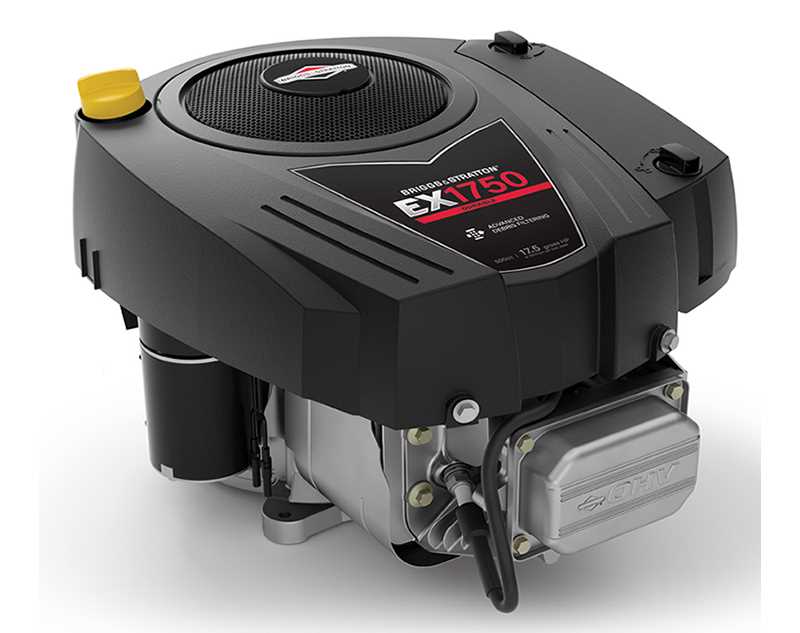
To ensure your small engine operates smoothly, it’s crucial to understand how to correctly wire its electrical components. Start by identifying the power input and ground connections, which are typically the most straightforward to wire. These connections will often be the largest terminals, and they provide the basic electrical flow needed for operation. Once these are properly in place, move on to the control and feedback terminals, which manage other functions such as ignition and starting mechanisms.
Use a multimeter to confirm proper continuity through each wire and connection before finalizing your installation. This step helps verify that the current will flow correctly and reduces the chances of electrical faults down the line. Additionally, always double-check each connection for any signs of wear or corrosion, especially if the engine is exposed to outdoor elements. Clean all terminals and use high-quality connectors to prevent short circuits and enhance durability.
For more complex setups, refer to the manufacturer’s manual to ensure all components are correctly wired to support the engine’s full functionality. A miswired connection can prevent proper ignition or even cause more serious damage to internal components. If you’re unsure about any connections, it’s always a good idea to consult a professional or use specialized wiring guides designed for the specific engine model you’re working with.
Briggs and Stratton Wiring Guide
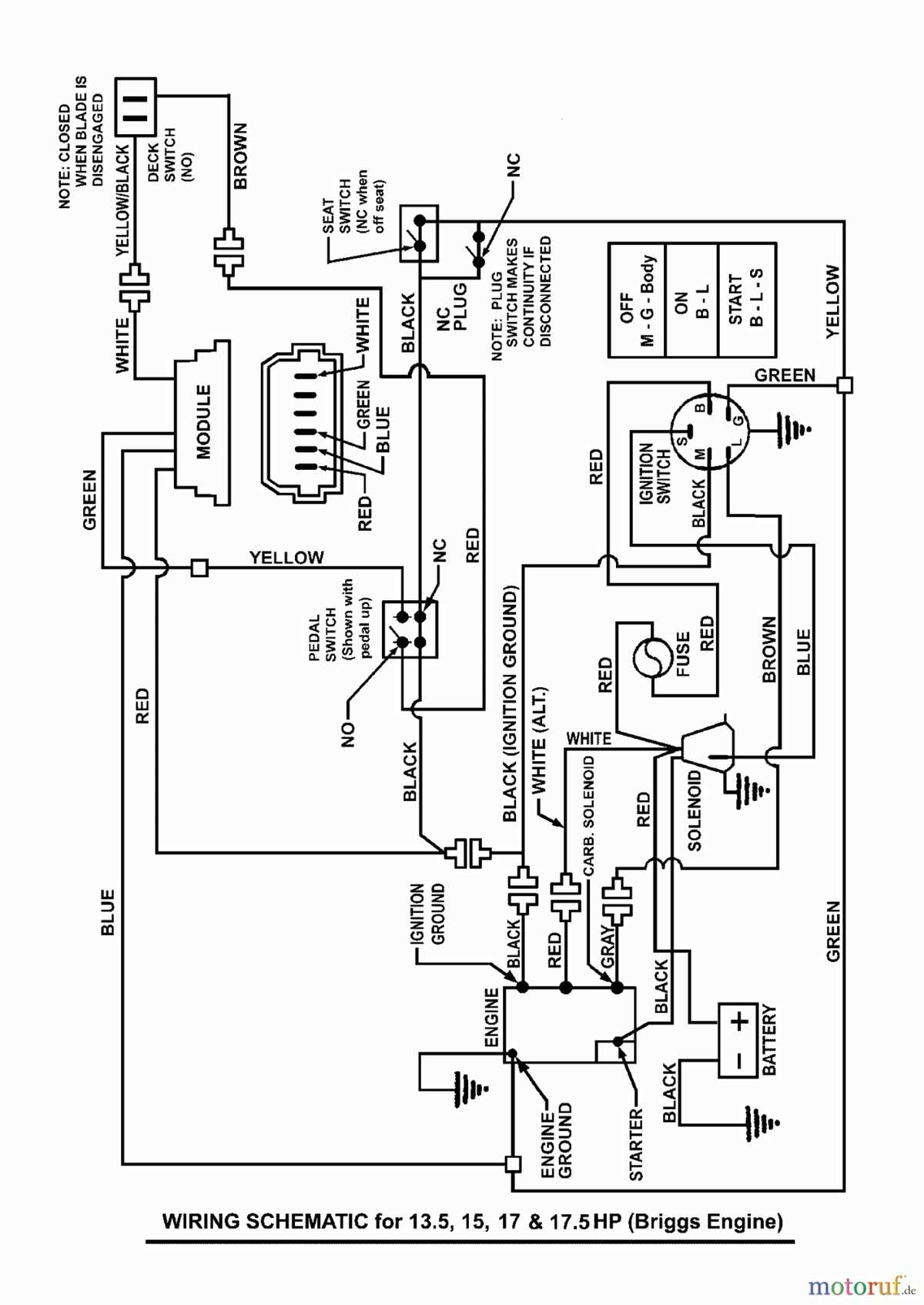
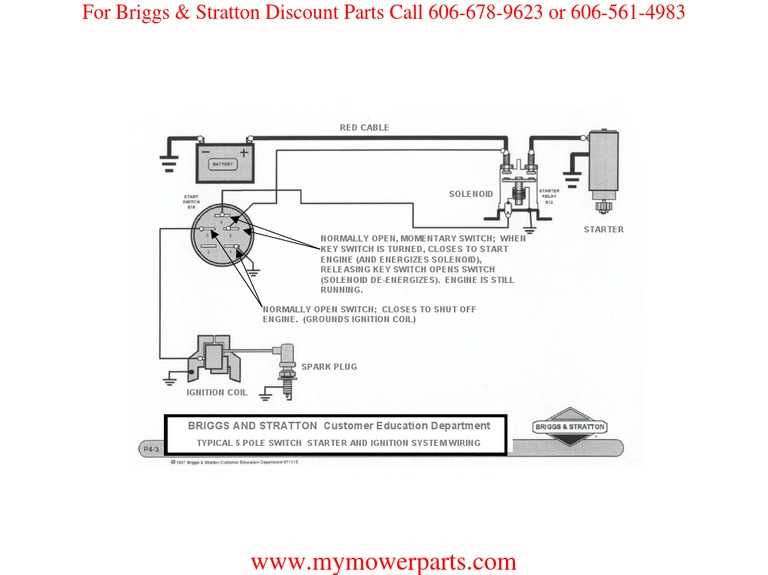
To properly connect the electrical components of your small engine, begin by identifying the main terminals: the positive and negative connections. These two points provide the flow of current to power the engine and should be firmly secured with high-quality connectors to prevent corrosion and ensure a solid electrical connection.
Next, make sure to correctly wire the ignition system. The ignition switch controls the flow of current to the spark plug, initiating the engine’s start-up. Be careful to connect the wire from the ignition coil to the switch, as improper connections can lead to a failure in engine starting or misfires during operation.
It’s also important to understand the role of safety switches. These are designed to prevent the engine from running when unsafe conditions are detected, such as when the operator is not seated or when the throttle is in a certain position. Make sure the connections for the safety switches are accurate, as incorrect wiring could cause safety hazards or prevent the engine from starting.
For larger engines with more advanced features, such as automatic choke or fuel shut-off, refer to the specific wiring layouts provided by the manufacturer. These systems require precise connections to ensure the engine runs at optimal performance, avoiding unnecessary wear or failure of engine parts. If available, consult the wiring map included in the engine’s user manual for more detailed instructions.
Finally, perform a continuity check using a multimeter after the connections are made. This will confirm that each wire has been properly installed and that there are no short circuits. Checking the electrical system before operating the engine reduces the risk of damage and ensures reliable performance. Always ensure that the engine is powered off when working on electrical connections to prevent any accidents or electric shocks.
How to Identify Key Components in a Briggs and Stratton Engine
The first component to identify is the engine’s spark plug. It is essential for igniting the air-fuel mixture in the engine cylinder. To locate it, find the wire that connects to the ignition coil. This wire sends the current to the spark plug, causing a spark that powers the engine. Ensure the spark plug is clean and properly gapped for optimal performance.
The next key element is the carburetor. It is responsible for mixing air and fuel in the correct ratio before it enters the engine. The carburetor can typically be found near the engine’s intake valve and is often connected to a throttle control. Regular inspection of the carburetor ensures it is not clogged, which could cause starting issues or poor engine performance.
Another important component is the fuel tank. It supplies the engine with the necessary fuel for combustion. Look for a transparent or metallic tank located at the top or side of the engine. Ensure that the fuel lines are secure and free from cracks or leaks, which can cause fuel leakage and engine failure. Clean the tank periodically to prevent debris from entering the system.
The air filter plays a vital role in ensuring the engine receives clean air for combustion. Typically located near the carburetor, this filter should be checked regularly and replaced if it becomes clogged with dirt or debris. A clean air filter is essential for the engine’s longevity and efficiency, as a dirty filter can cause the engine to overheat or run inefficiently.
The ignition coil is a critical part of the engine’s starting process. It converts the battery’s voltage into the high voltage needed to create a spark in the spark plug. The ignition coil is usually found near the flywheel. If the engine does not start or runs intermittently, it may be due to a faulty ignition coil, which can be easily replaced.
The flywheel, often found near the engine’s base, is another key component. It is responsible for maintaining the engine’s momentum during operation and aids in starting the engine. Flywheels are also equipped with magnets that interact with the ignition coil to produce the electrical spark. A cracked or damaged flywheel can result in engine misfires or failure to start, so be sure to inspect it regularly.
Finally, the valve system, which includes the intake and exhaust valves, is responsible for allowing air and exhaust gases to flow in and out of the engine’s combustion chamber. These valves must open and close at the proper times for efficient engine performance. If the engine struggles to start or misfires, the valve system may need to be adjusted or cleaned. Regular valve maintenance ensures optimal engine function and helps avoid costly repairs.