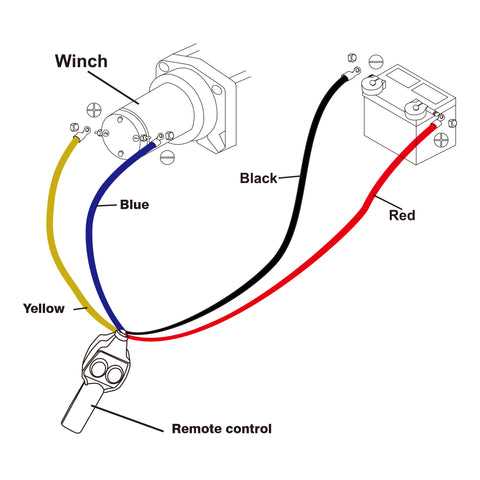
Ensure the connections are made in the correct order before applying power. Start by identifying the positive and negative terminals of the unit and matching them with the corresponding power supply and load terminals. Properly marking and connecting each terminal reduces the risk of incorrect configuration.
Once the connections are in place, use a multimeter to verify that the system is receiving the correct voltage. A quick check of the voltage will confirm whether the connections are correct and the system is ready for use. Any discrepancies in voltage could indicate a poor connection or miswiring that needs immediate attention.
Before activating the system under load, ensure all terminals are tightly secured to prevent any power interruptions or risks from loose connections. Check that all components are properly insulated to avoid electrical short circuits or damage during operation.
Step-by-Step Guide for Connecting a Power Recovery System
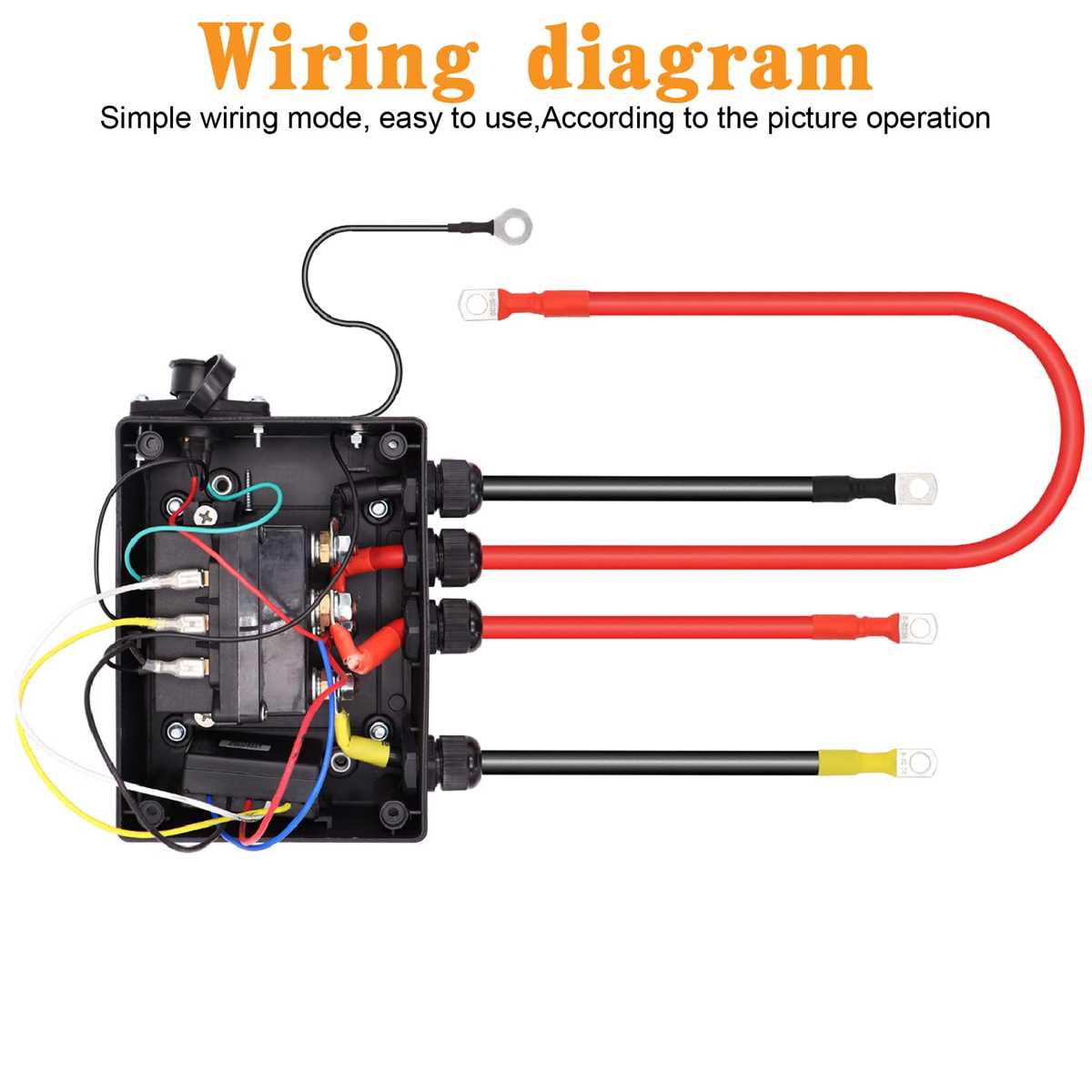
Begin by placing the unit in a secure, stable position where all components can be easily accessed. Make sure you have the necessary tools for the task, such as a wrench, pliers, and a multimeter. Also, ensure the system is turned off before proceeding with any connections to avoid electrical shock or damage.
Step 1: Connect the Power Supply
The first connection involves linking the positive and negative terminals of the power supply to the corresponding terminals on the recovery device. Identify the positive and negative sides on both the power source and the load, and connect them securely. The positive terminal is typically marked with a red color, while the negative terminal is marked in black. Double-check that all connections are tight to prevent any loose contacts during use.
Step 2: Attach the Remote Control Wires
If your system is equipped with a remote control, ensure the wires from the remote are correctly attached to the designated terminals. These wires will usually be color-coded to match the terminals, making it easier to connect them correctly. Secure the connections and verify that the remote works as expected by testing it with a multimeter or simple continuity check.
Next, move on to the connection of the ground wire. This wire serves as an important safety feature, ensuring that any excess charge is directed safely to the ground. It should be attached to the marked ground terminal on the device and connected to a nearby metal part or ground rod. A proper ground connection is crucial for safe operation.
Now, check the integrity of the electrical insulation on all the wires and terminals. Frayed or damaged insulation could cause short circuits, so inspect all connections carefully. If any damage is found, replace the affected wires or insulation before proceeding with further steps.
With the connections made, use a multimeter to check the voltage levels. Ensure the power recovery unit is receiving the proper input from the power source. This step helps confirm that the system is wired correctly and is ready for use. If the voltage readings are off, double-check all connections to ensure there are no mistakes.
After confirming the correct voltage, proceed to connect the load. Ensure that the load wires are properly connected to the output terminals of the unit. These connections should be tight, and the insulation should be in good condition to prevent accidental shorts during operation.
Finally, test the entire system under load. This will allow you to verify that everything works as expected and that the system is functioning optimally. Monitor for any signs of overheating or unusual noises during operation, as these could indicate wiring issues or component malfunction.
Common Wiring Errors and How to Avoid Them
One of the most common mistakes when connecting electrical systems is incorrect polarity. Ensure that the positive and negative terminals are always connected to their respective counterparts. Reversing the polarity can cause the system to malfunction or even damage sensitive components. Always double-check the connections before powering up the system.
Another frequent issue is loose connections. If the terminals are not properly tightened, you may experience intermittent power loss or arcing. This can lead to overheating or even fires. To prevent this, use the appropriate tools to securely fasten all connections. Always use terminal lugs or connectors that fit tightly to the wire size and avoid using makeshift solutions.
Improper grounding is a critical error that can lead to electrical shock hazards or equipment failure. Always make sure the ground wire is securely attached to a suitable ground point. A poor connection can create voltage imbalances or cause a complete failure of the system. Verify the integrity of the ground connection with a multimeter before operating the system.
Using the wrong wire gauge is another common mistake. If the wire is too thin for the current required, it can overheat and lead to failures. Make sure to check the specifications of your system to determine the correct wire gauge. Using a thicker gauge wire is generally safer if you’re unsure of the exact current requirements.
Inadequate insulation is a frequent oversight. If the insulation on wires is damaged or improperly installed, the risk of short circuits increases. Always inspect the insulation before installation and replace any damaged sections. Make sure the wires are properly routed to avoid rubbing against sharp edges or other surfaces that could damage the insulation over time.
Another mistake is neglecting to check voltage and current levels. Before finalizing the setup, always measure the voltage and current using a multimeter. This will help confirm that the system is operating within the specified range. If the readings are too high or too low, review the connections and ensure that all components are compatible with the electrical specifications.
Finally, not following the manufacturer’s instructions can result in many of these problems. Always consult the manual for specific wiring instructions and safety precautions. These guidelines are designed to ensure the system operates correctly and safely. Skipping or misinterpreting these instructions can lead to costly errors and potential safety risks.