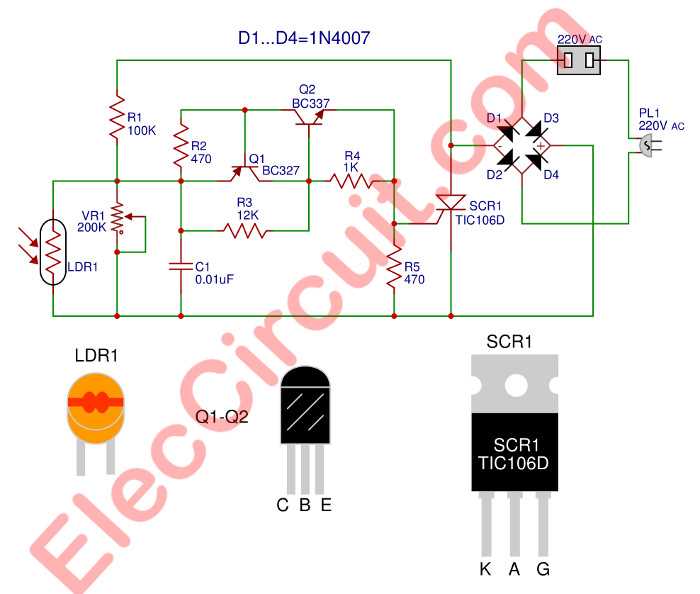
Install a photo-sensitive detector near entryways to ensure the fixture activates only when ambient brightness falls below a defined threshold. Position the sensor away from artificial reflections to avoid false triggers.
Use a low-voltage power source for safety when connecting the lamp to the relay module. This prevents overheating and reduces the risk of electrical faults during continuous operation.
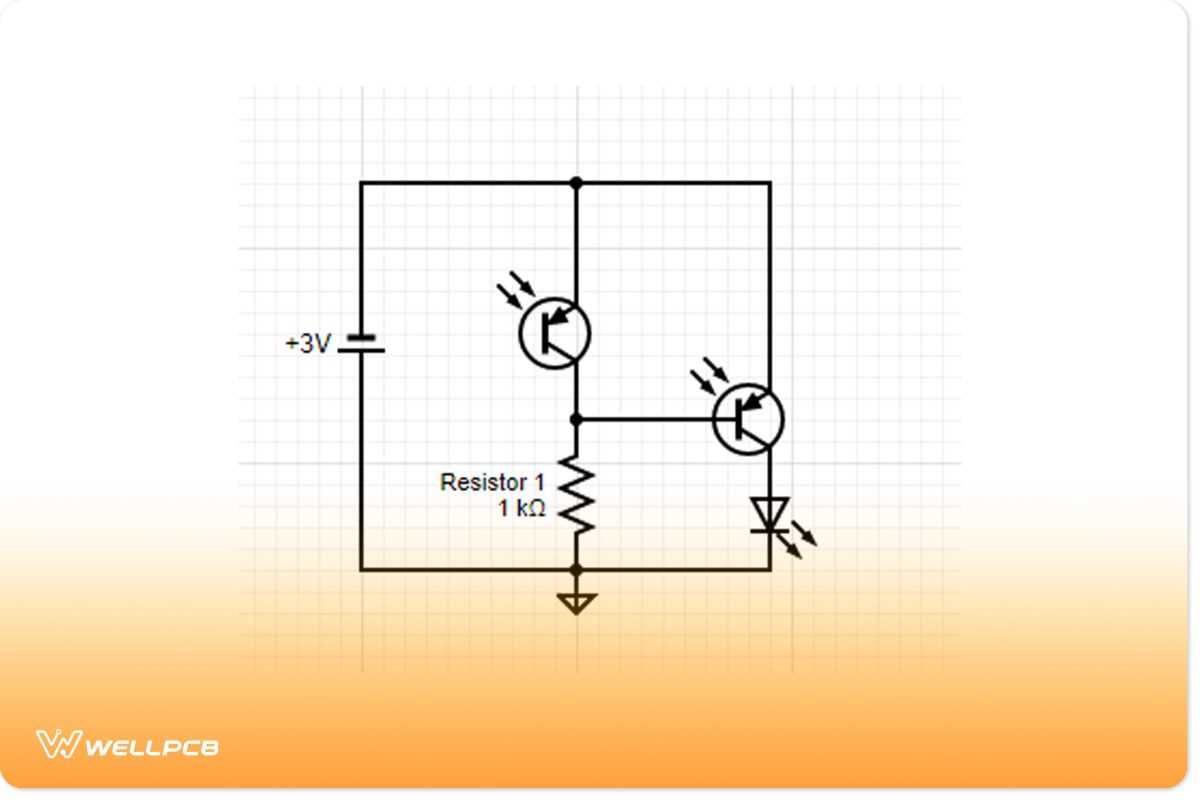
Select an energy-efficient bulb compatible with the relay and sensor specifications. LEDs with fast response time enhance responsiveness and reduce energy consumption.
Include a delay capacitor or timer module to maintain illumination for a few minutes after detecting darkness. This prevents flickering during brief shadows or passing objects.
Verify all connections and polarity before powering the system. Correct alignment of sensor, relay, and lamp terminals ensures stable operation and prevents short circuits.
Step-by-step guide to building an automated illumination setup for home use
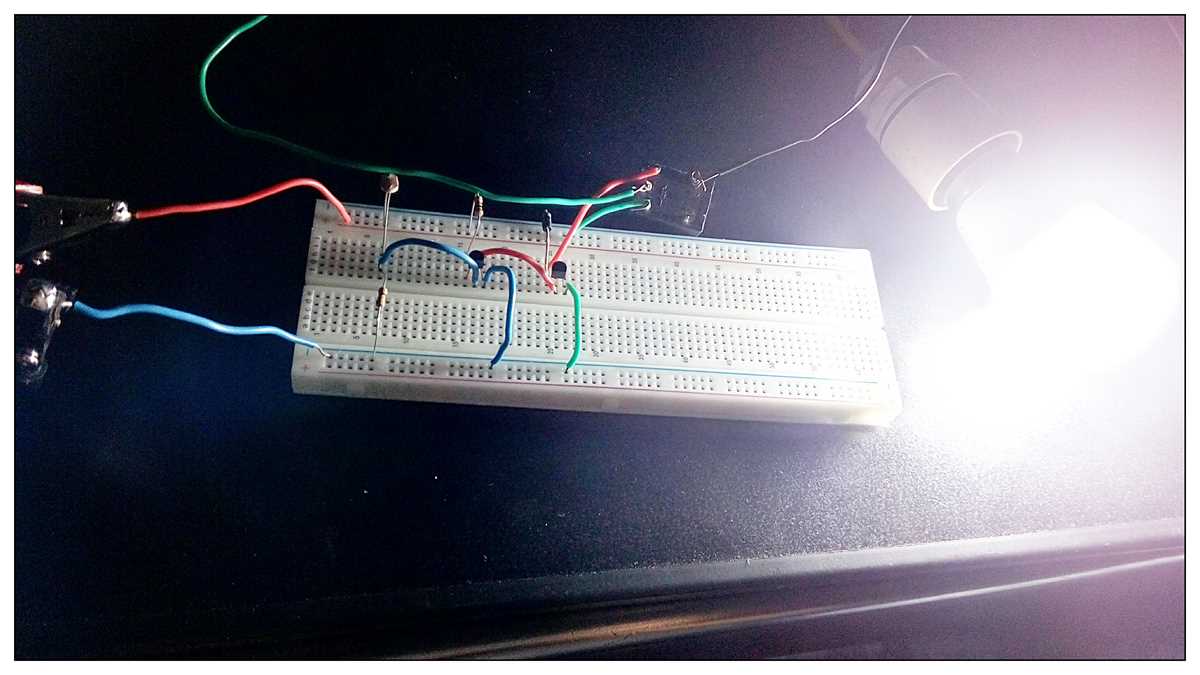
Select a photosensitive sensor rated for household voltage and position it near hallways or entry points. Ensure it faces unobstructed areas to accurately detect changes in ambient brightness.
Prepare a low-voltage relay module compatible with the chosen lamp. Verify the trigger voltage matches the sensor output to avoid activation delays or failure.
Connect the lamp terminals to the relay output, maintaining correct polarity. Use insulated connectors and secure all connections with screw terminals to prevent accidental loosening.
Integrate a timing capacitor across the relay input to keep the lamp illuminated for 1–3 minutes after detecting low ambient levels. Adjust capacitance according to the desired delay duration.
Test the system in varying lighting conditions. Cover and uncover the sensor to confirm smooth activation and deactivation, and measure the voltage at relay terminals to ensure safe operation.
Mount the assembly in a ventilated enclosure to prevent heat buildup. Use wall anchors or clips for stable placement, and route cables away from high-traffic areas to avoid wear or accidental disconnection.
Selecting components for an automated lamp system
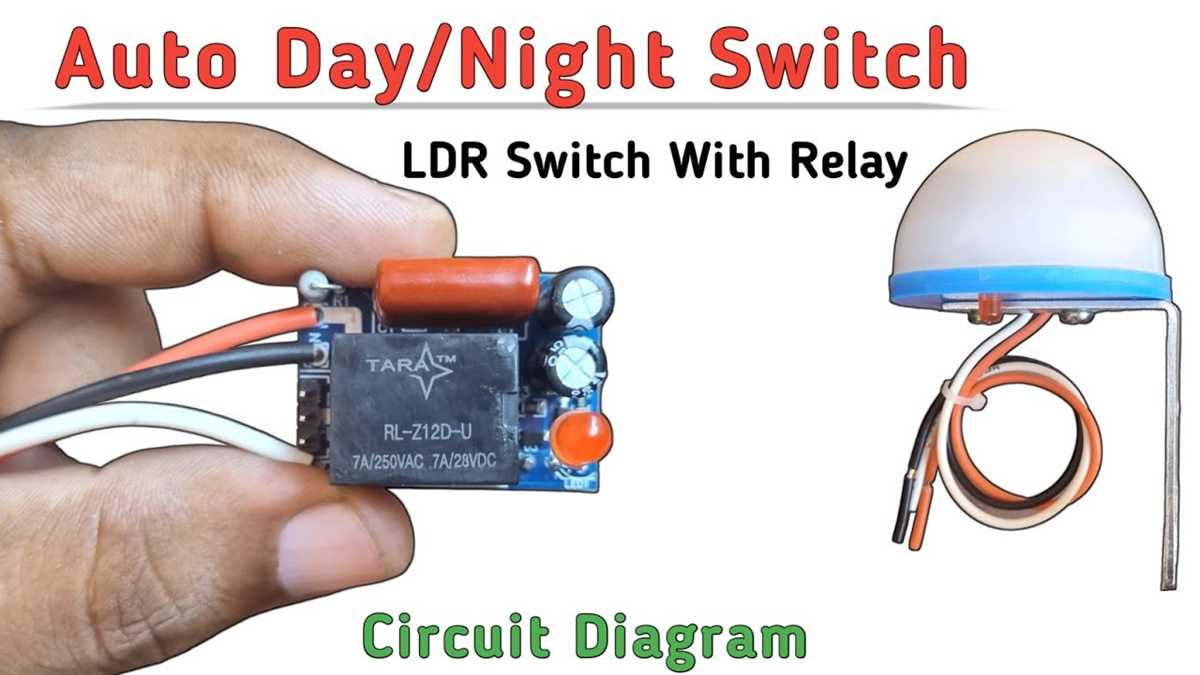
Choose a photosensitive resistor with a resistance range between 5 kΩ and 50 kΩ for accurate response to low ambient illumination. Position it to avoid direct exposure to artificial lights that could trigger false activation.
Select a switching relay rated for at least 120% of the lamp’s operating voltage and current. A SPDT relay with a 12V or 24V coil is ideal for small household applications.
Pick a suitable lamp such as an LED or compact fluorescent bulb. LEDs with 5–10W power rating work well for hallways, providing visibility without excessive heat generation.
Incorporate timing and protection elements including a 470 μF to 1000 μF capacitor to control on-delay and a 1N4007 diode to prevent reverse voltage spikes that could damage the relay coil.
Ensure secure connections and mounting using insulated terminal blocks and ventilated enclosures. This prevents loose contacts and protects components from dust and accidental short circuits.