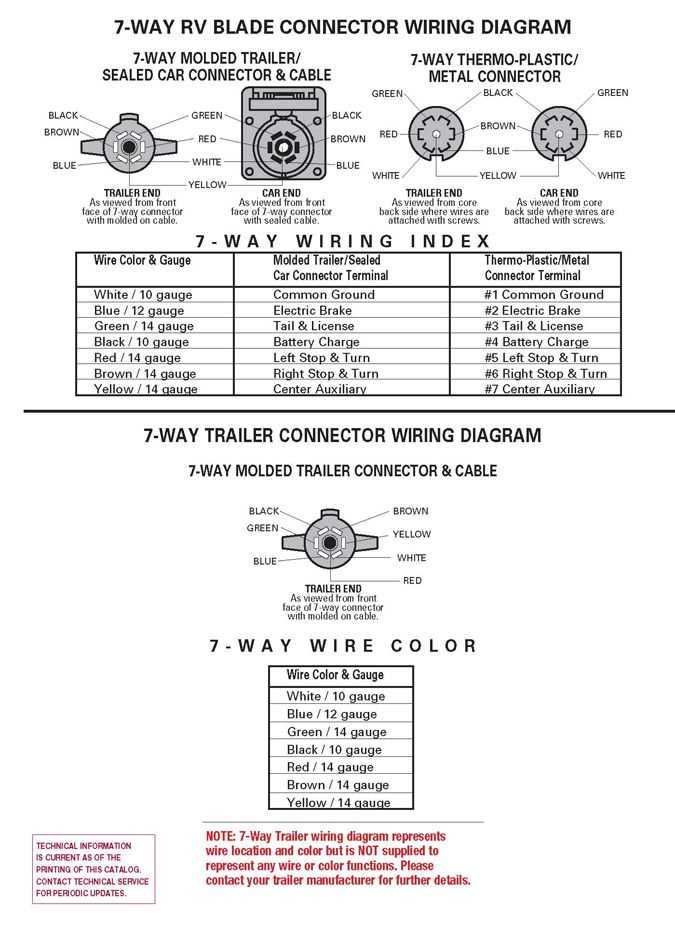
Use properly rated cables to connect power from the main supply to internal fixtures and appliances. Ensure each line matches the voltage requirements and can handle the expected current without overheating or voltage drop.
Install circuit breakers and fuses near the main entry point to protect all onboard systems. Position these protective devices for easy access and label each line according to its function, including lighting, receptacles, and auxiliary equipment.
Secure all terminals and connectors using screw clamps or push-in fittings. Confirm that connections are tight and free of corrosion, and use dielectric grease where necessary to improve long-term contact reliability.
Test each circuit individually before powering multiple devices. Use a multimeter to check continuity and confirm correct voltage at outlets and fixtures, ensuring that the system operates safely under normal load conditions.
Electrical Connections for Towable Living Units
Install a main power entry point with a properly rated breaker panel. Connect the incoming line and neutral conductors to the panel terminals, ensuring all connections are tight and corrosion-free to prevent heat buildup.
Distribute power to individual systems using appropriately sized conductors. Label each line clearly for lighting circuits, receptacles, and auxiliary devices, and use cable clamps or conduit to secure the routes and prevent abrasion.
Connect all onboard outlets and fixtures following the specified amperage ratings. For receptacles, confirm that the hot, neutral, and ground terminals are correctly assigned and tightened, and verify polarity before powering devices.
Test continuity and voltage levels at each connection point with a multimeter. Measure under no-load and simulated-load conditions to ensure stability, and adjust any loose connections immediately to avoid flickering or interruptions.
Perform a final inspection of all junctions, clamps, and protective devices. Ensure circuit breakers are labeled, devices operate as intended, and the installation conforms to safety standards to reduce the risk of short circuits or overloads.
Selecting the Right Components for Camper Systems
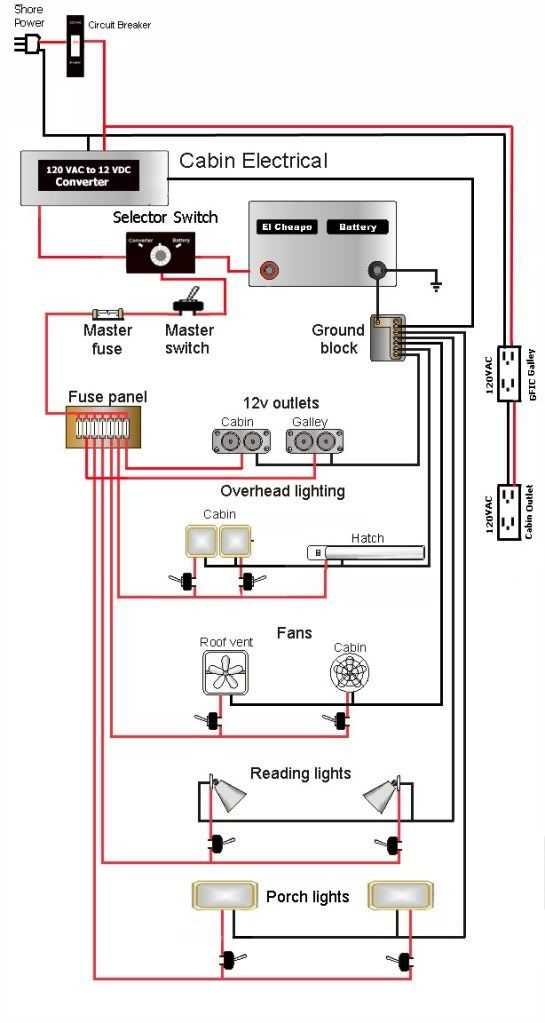
Choose a main distribution panel rated for the total amperage of your onboard systems. Ensure the panel accommodates multiple breakers and has a solid grounding terminal to maintain safety and stability for all circuits.
Use conductors that match the current requirements of each subsystem. For lighting circuits, 14 AWG copper wires are generally sufficient, while receptacles and heavy-duty appliances require 12 AWG or larger depending on the load.
Install breakers and fuses that correspond to the amperage of each line. Overrating protective devices can cause overheating and potential fire hazards, whereas underrating may lead to nuisance trips under normal load.
Select outlets and connectors that can handle continuous operation under typical environmental conditions. Consider moisture resistance and secure mounting to prevent loosening from vibrations while on the road.
Choose switches and control devices rated for the load they will carry. Toggle or rocker switches for lighting should be rated for at least 15 amps, while larger appliances may need specialized switches or relays.
Incorporate grounding and bonding components throughout the system. All metallic enclosures, panels, and receptacles must have a reliable ground path to reduce the risk of shock and improve circuit stability.
Include surge protection and monitoring devices to safeguard sensitive electronics. Voltage spikes from external hookups or onboard generators can damage appliances; inline surge protectors and meters help maintain safe operating conditions.
Test each component under load before final assembly. Measure voltage drop, check breaker response, and verify that all outlets and switches operate correctly to ensure the entire setup functions safely and reliably.