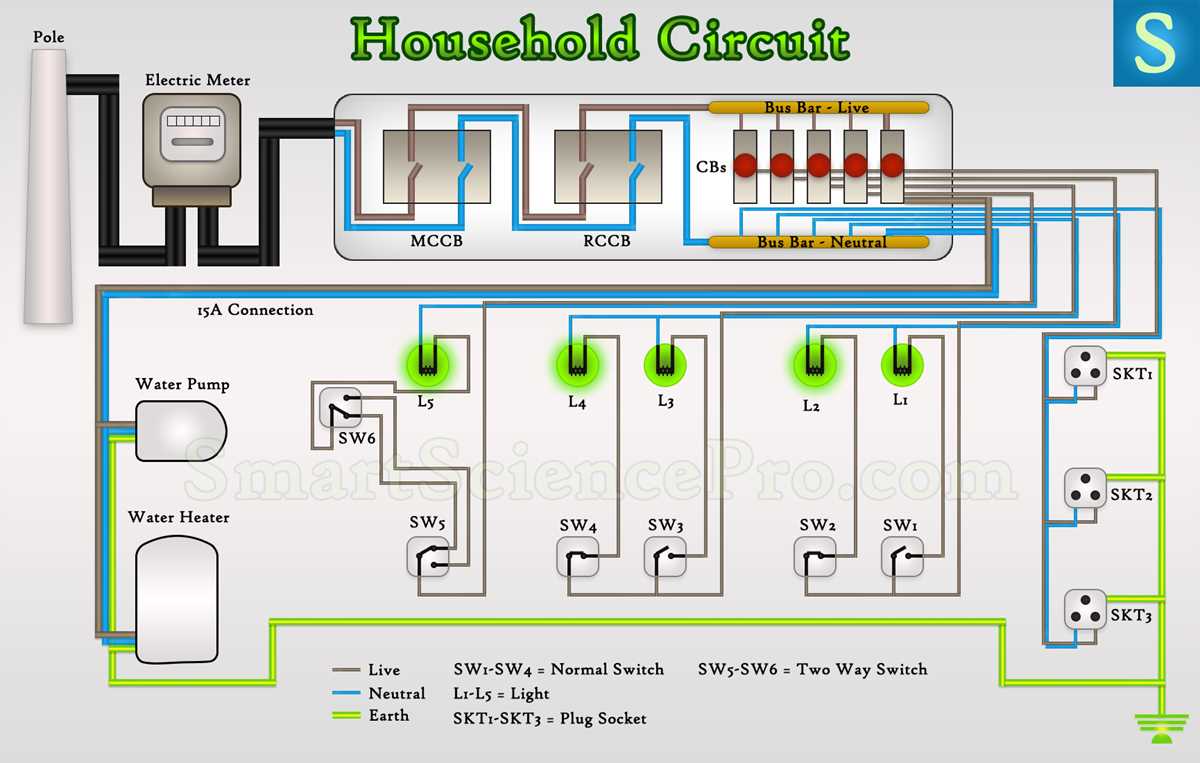
Start by identifying the key components that distribute power throughout your home. The main components include the power source, wiring, outlets, switches, and protective devices like breakers. Each element plays a critical role in ensuring the safe and effective operation of your electrical setup.
The power flows from the main supply into your home’s electrical panel, where it is distributed to different areas of the house. This setup allows for different circuits to handle specific electrical loads, such as lighting, appliances, and HVAC systems, each with its own dedicated path for electricity.
Understanding the layout of these systems is crucial for troubleshooting or upgrading your electrical infrastructure. Knowing how the wires are connected and how power is routed can help in identifying problems, whether it’s a blown fuse, a malfunctioning switch, or an overloaded circuit.
For anyone considering DIY electrical work or even routine checks, it’s important to first familiarize yourself with how power is routed and distributed across the various outlets and devices. Always ensure the connections are correctly configured and that safety protocols are followed during installation or repair tasks.
Understanding the Layout of a Household Electrical System
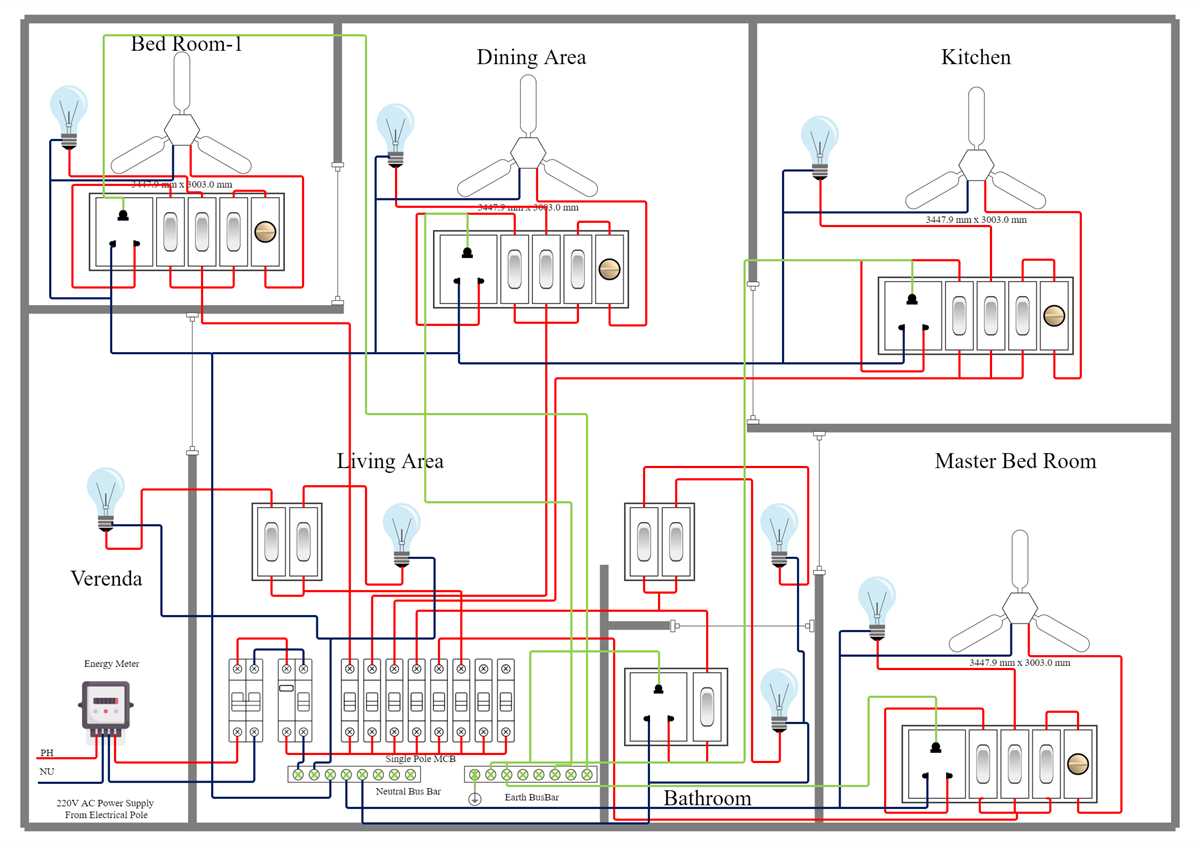
Start by identifying the key components that distribute electricity across the home. These components typically include the main power source, distribution panel, outlets, switches, and safety devices such as circuit breakers.
The distribution panel is the heart of the electrical setup. It receives electricity from the main line and distributes it through different pathways to various areas of the house. Each individual line within the panel powers specific appliances or systems, such as lighting or HVAC units.
In a typical configuration, there will be multiple lines connected to the panel, each serving a different purpose. For example, a lighting circuit might have outlets and light fixtures connected, while other circuits may serve kitchen appliances or bathroom equipment.
The power flows from the panel through insulated wires to outlets and switches. Outlets are connected to the load, which includes appliances or fixtures. Every wire that carries electricity to these areas needs to be properly grounded and connected to ensure safety and prevent overloads.
When designing or upgrading the system, it’s important to ensure the capacity of the panel matches the household’s electrical needs. This can prevent overloading, which is a common cause of power failures or potential fire hazards.
Finally, always ensure that the circuit paths are clearly labeled and mapped. This will allow easy identification of any problems or necessary repairs, making troubleshooting quicker and safer. Consider hiring a qualified electrician if unsure about modifications or installations in the system.
Understanding the Components of a Home Electrical System
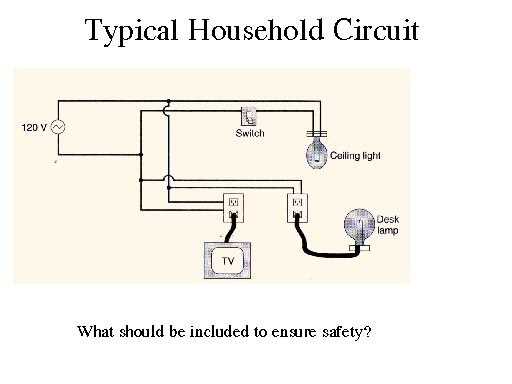
The primary element in any home’s electrical setup is the power source, which brings electricity from the utility grid into your house. This power enters through the main service panel, where it is distributed to different areas of the home.
Inside the panel, the main breaker controls the flow of electricity, while individual breakers protect specific areas or appliances by shutting off the power if an overload occurs. These breakers are essential for safeguarding the wiring and devices in the house.
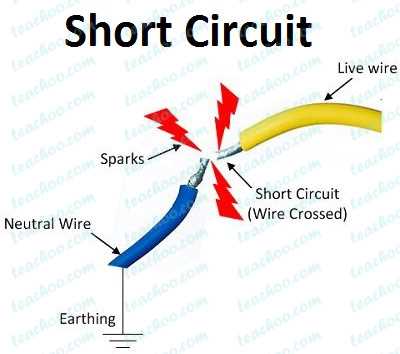
Next, power is routed through wires that connect the panel to outlets, switches, and fixtures throughout the home. These wires are insulated for safety, preventing accidental contact with electrical parts and ensuring that the electricity flows to the correct areas.
Outlets and switches serve as the points where electricity is delivered to devices and appliances. Each outlet is connected to one or more circuits, and switches control the flow of electricity to light fixtures, fans, and other equipment.
Lastly, grounding is an important safety feature in the system. Grounding ensures that any stray electricity from a fault is safely directed to the earth, preventing electric shocks and reducing the risk of fire hazards. This is often achieved through grounding rods or wiring connected to metal pipes or grounding plates. Proper grounding must always be verified during installation or maintenance.