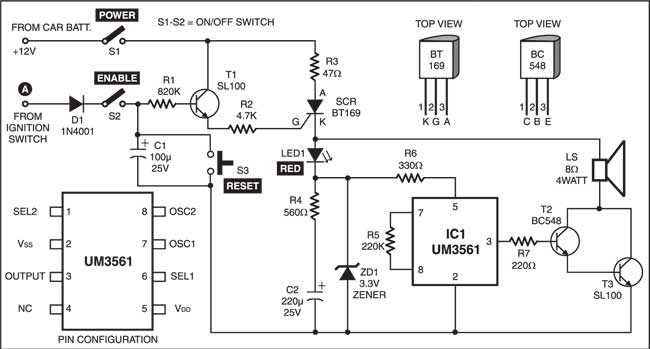
Start by locating the central control module and identifying the key components responsible for preventing unauthorized engine start. These systems typically involve a combination of sensors, relays, and immobilizer chips embedded in critical areas of your vehicle.
When installing or troubleshooting these systems, pay close attention to the wiring connections that link the key fob, ECU, and starter motor. Incorrect wiring can lead to a malfunction, preventing the vehicle from starting altogether. It’s crucial to follow a reliable connection guide to avoid such issues.
For a successful installation, always use quality materials and double-check all connections before powering up the system. Make sure the sensor’s signal is correctly routed to the ECU to ensure proper communication and activation. Testing each wire’s continuity can help detect potential faults early.
Vehicle Anti-Theft Wiring System Overview
To properly secure your vehicle, focus on the integration between the ignition, engine control unit (ECU), and security sensors. The main role of these systems is to prevent unauthorized engine start through a sequence of signals and responses between components.
Start with the key fob or transponder that sends a signal to a receiver within the ignition system. This receiver communicates with the ECU, which controls the fuel and ignition systems. If the signals don’t match, the system disables key components like the starter motor, fuel pump, or ignition coil.
Key Components and Wiring Layout
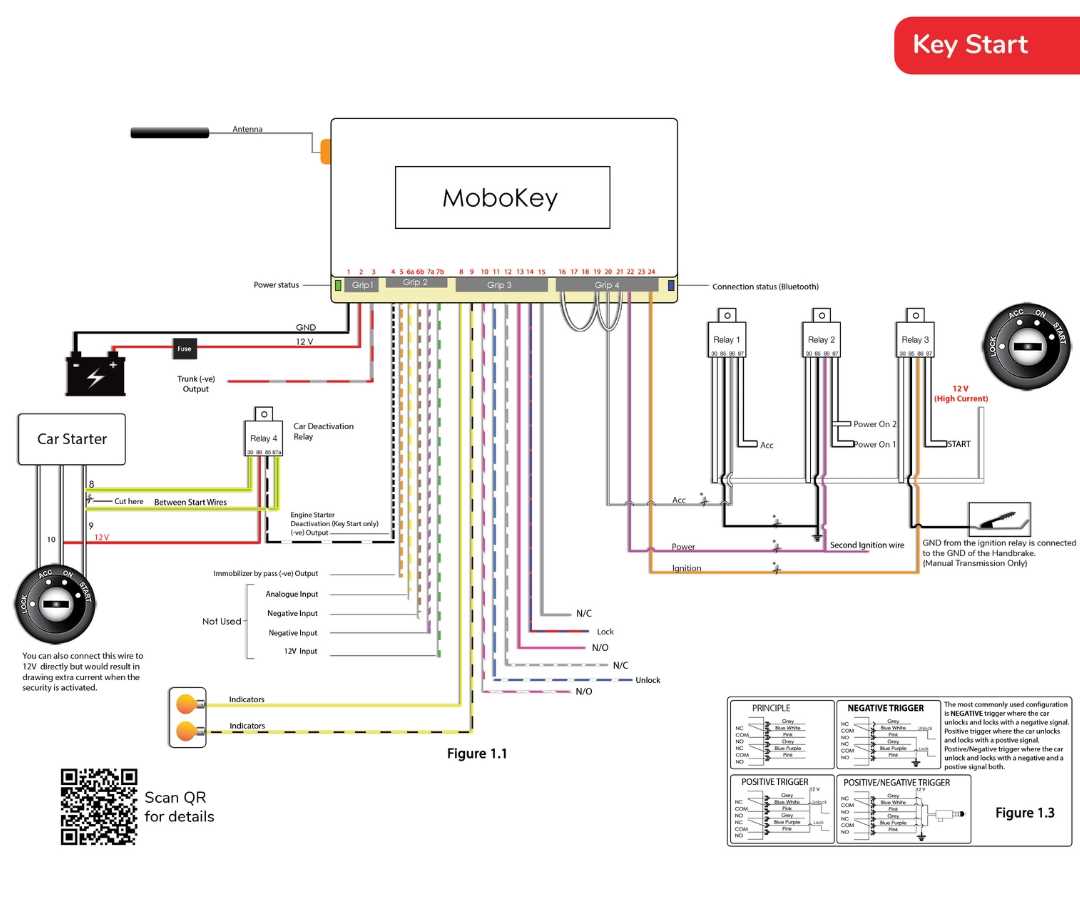
The key components include the ECU, a relay that controls the power to the starter, and various sensors placed at critical points like the fuel pump or ignition system. Ensure that the connections from the ECU to these relays and sensors are tightly secured and properly insulated to avoid short circuits.
In some systems, a bypass relay may be used to override the immobilizer if a valid signal is detected from the key fob. Ensure that this relay is correctly positioned in the wiring layout to allow the flow of power once an authorized signal is received.
Common Installation Pitfalls
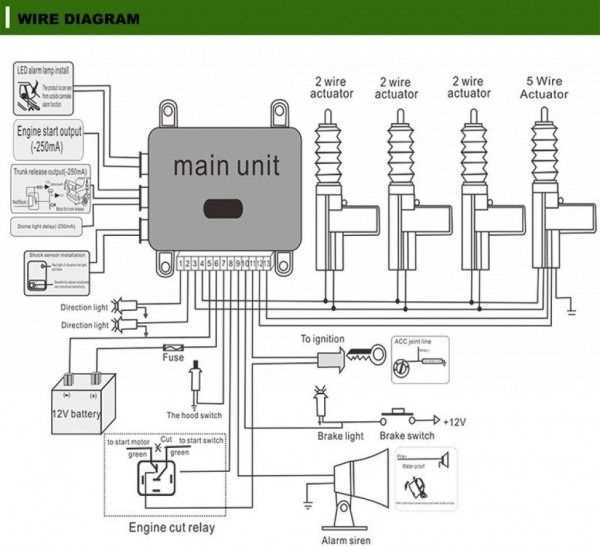
One common issue is improper grounding of components, which can prevent the anti-theft system from working. Check all ground connections, especially the ECU and sensors, as poor grounding leads to unstable performance.
Another frequent mistake is failing to account for the specific wiring color codes and their roles in the system. Incorrect connections can lead to malfunctions and make the vehicle vulnerable to theft. Always use a wiring guide specific to your vehicle model for best results.
How to Read a Vehicle Anti-Theft System Wiring Layout
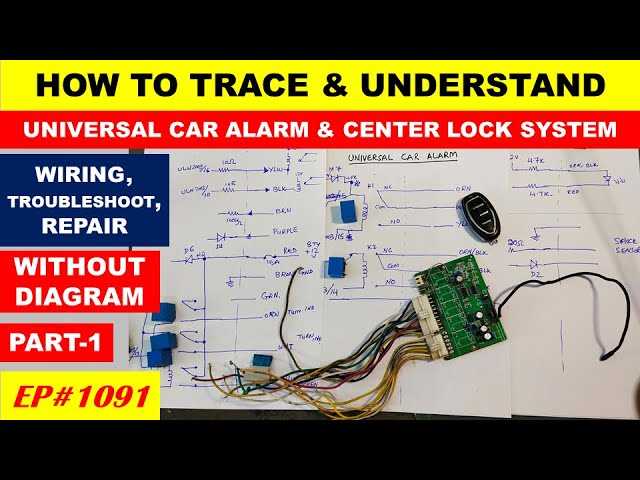
Start by identifying the key components in the layout, such as the control module, sensors, and relays. Each component is usually represented by a symbol, and understanding these symbols will help you navigate the connections and understand the system’s operation.
The lines between the components represent the wiring. Solid lines usually indicate a direct connection, while dashed lines might represent signals or data paths. Pay close attention to the color coding of wires, which can indicate specific functions, such as ignition control or fuel cutoff.
- Red lines often indicate power supply connections.
- Black lines are typically used for grounding.
- Blue or green lines might represent signal transmission between sensors and the control unit.
Next, identify the flow of electricity. Trace the wiring starting from the power source to the ignition or fuel pump. The flow will typically go through a relay that activates or deactivates the power depending on the system’s authorization signal.
If the diagram includes resistors, capacitors, or other small components, check their placement in the system. These components help filter or stabilize the signals, ensuring the system responds accurately to the input from the key fob or sensor.
Finally, test each component by following the wiring connections to verify that they correspond to the physical setup in your vehicle. If a component fails to trigger the expected response, use a multimeter to check continuity along the connections for faults.