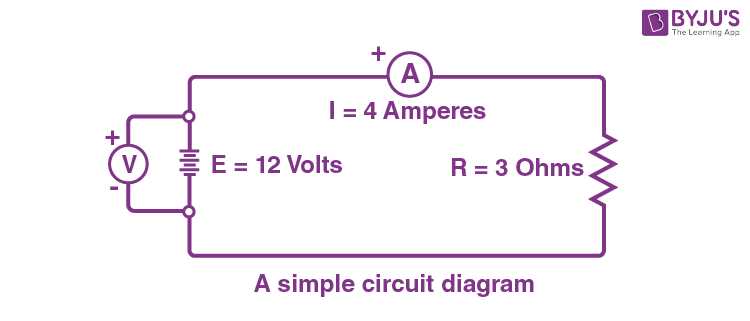
Begin by identifying all component symbols on the schematic and match them with their physical equivalents. This allows for accurate understanding of each element’s function and placement within the system.
Trace the connections between each element carefully, noting how signals flow from input to output. Use colored markers or labels to differentiate conductors carrying different voltages or signal types.
Check power and ground lines first to ensure that the supply paths are continuous and properly routed. Verifying these paths prevents errors during testing and reduces the risk of component damage.
Analyze each junction and node to determine how currents divide or combine. Understanding these points helps in diagnosing faults and predicting how modifications may affect overall operation.
Use reference tables for component values to cross-check resistor, capacitor, and inductor ratings. Matching these values ensures that calculations for voltage drops and currents are accurate and practical.
Reading and Analyzing Electrical Layouts
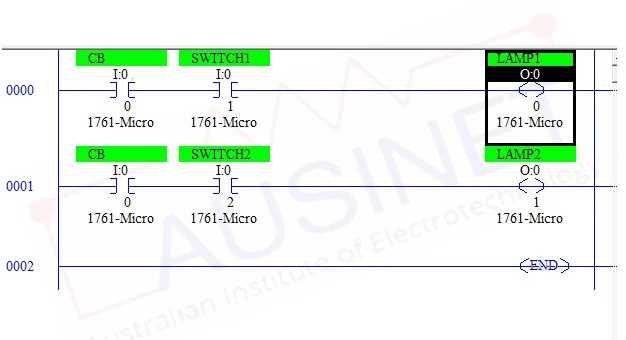
Start by locating all input and output terminals on the schematic and verify their labels match the actual components. This ensures correct orientation when following signal paths.
Identify each resistor, capacitor, and inductor with their rated values to understand their influence on voltage and current within the network. Confirm the units and tolerances for accurate analysis.
Trace the main power supply lines first, checking continuity and proper connection points. This helps prevent misinterpretation of load distribution and potential short circuits.
Follow each node where multiple paths intersect to determine how current divides and converges. Document the direction of conventional flow to avoid mistakes in predictions.
Use component symbols consistently to distinguish switches, diodes, and transistors. Recognizing these shapes allows you to understand control mechanisms and signal amplification within the layout.
Mark high-voltage and low-voltage paths with different colors or labels. This visual separation reduces errors during assembly, troubleshooting, and testing of the physical network.
Cross-check every connection with reference tables or manuals to confirm correct values, pinouts, and polarities. This step prevents misfires, component stress, and inaccurate performance analysis.
Identifying Symbols and Component Labels
Start by examining each symbol on the schematic and match it with the corresponding physical component. Use reference tables to confirm resistor values, capacitor ratings, and semiconductor pinouts to ensure accuracy.
- Label each component clearly with its identifier and value.
- Mark control elements like switches and relays for easy recognition.
- Distinguish input and output terminals using consistent notation.
- Use color coding or annotations to separate high-voltage and low-voltage paths.