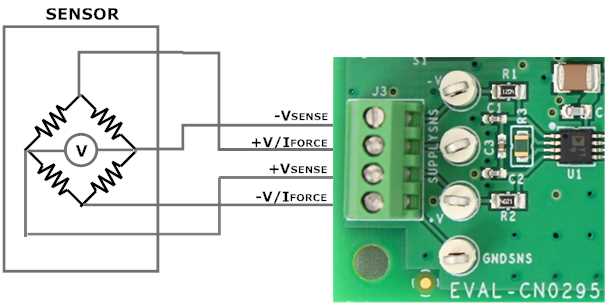
Ensure stable voltage supply to measurement modules by confirming input lines match the component’s rated specifications. Unstable or mismatched power can lead to erratic readings and signal drift.
Identify terminals clearly by following manufacturer markings or standard color codes. Correctly connecting the input, ground, and output leads prevents short circuits and protects downstream electronics.
Calibrate output signals using a known reference source before integrating into monitoring systems. Adjusting baseline and span ensures accurate translation of physical force into readable electrical signals.
Check for loose or oxidized contacts at connection points regularly. Even minor corrosion can introduce resistance changes, affecting signal integrity and overall measurement reliability.
Use protective components such as fuses or resistors where recommended. They mitigate risks from voltage spikes and current surges, extending the operational lifespan of measurement units.
Document the connection layout with clear labels for all terminals. This practice aids troubleshooting and prevents errors during maintenance or upgrades.
Pressure Sensor Signal Mapping and Installation Guide
Connect output leads to the designated monitoring unit by following the manufacturer’s polarity and voltage range instructions. Misaligned connections can result in inverted readings or signal loss.
Map signal channels accurately using reference values from calibration tools. Confirm that each output corresponds to the expected measurement range to maintain consistency in recorded data.
Mount the measuring module securely at the recommended location, avoiding vibrations and exposure to extreme temperatures. Use insulated fasteners to prevent electrical interference and ensure reliable contact.
Verify all connections after installation by testing continuity and output stability. Adjust terminal screws and retest signal levels to ensure accurate performance before finalizing the setup.
Identifying Sensor Terminals and Voltage Inputs
Locate the positive and negative terminals on the measurement module using the markings on the housing. Ensure that the voltage input matches the specified operating range to avoid damage to the internal components.
Label each connection point clearly when working with multiple units. Maintaining consistent labeling prevents cross-connections and simplifies troubleshooting during installation or maintenance.
Check input voltage stability using a multimeter before making permanent connections. Fluctuations exceeding ±5% of the rated supply can cause erratic readings or reduce the lifespan of the device.
Verify continuity and polarity by testing each terminal with a low-current probe. Confirming proper connections before full activation ensures accurate monitoring and prevents short circuits in the system.