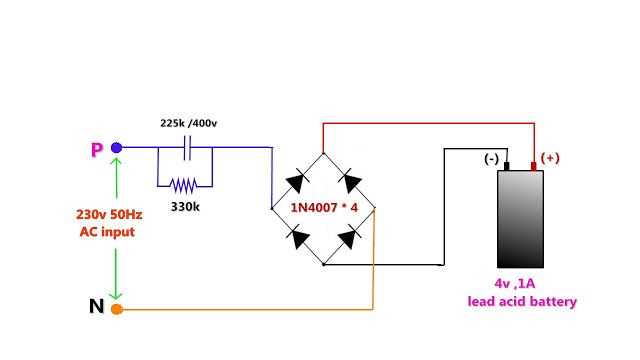
Disconnect the main power supply before connecting transformer and rectifier modules. Measure input voltage with a multimeter to ensure it matches the design specifications and avoid overloading sensitive components.
Label each wire for polarity identification. Red or marked leads should attach to positive terminals, while black or unmarked wires go to negative. Incorrect connections can damage voltage regulation elements and storage cells.
Inspect all terminal contacts for corrosion, dirt, or bent pins. Clean surfaces with a wire brush or contact cleaner to maintain reliable current flow and prevent heat accumulation during charging.
Route high-current lines along fixed areas of the enclosure, keeping them away from moving parts or edges. Secure cables with clips or ties to prevent insulation wear and accidental disconnection.
After assembling the transformer and rectifier sections, apply a minimal load to test the output. Confirm that regulators maintain stable voltage and the storage cells receive consistent current without fluctuations or sparks.
Perform a final inspection of all connections and insulation. Add protective tubing or wraps to exposed wires to prevent shorts, improve durability, and ensure reliable operation over repeated charging cycles.
Lead Acid Battery Charger Circuit Guide
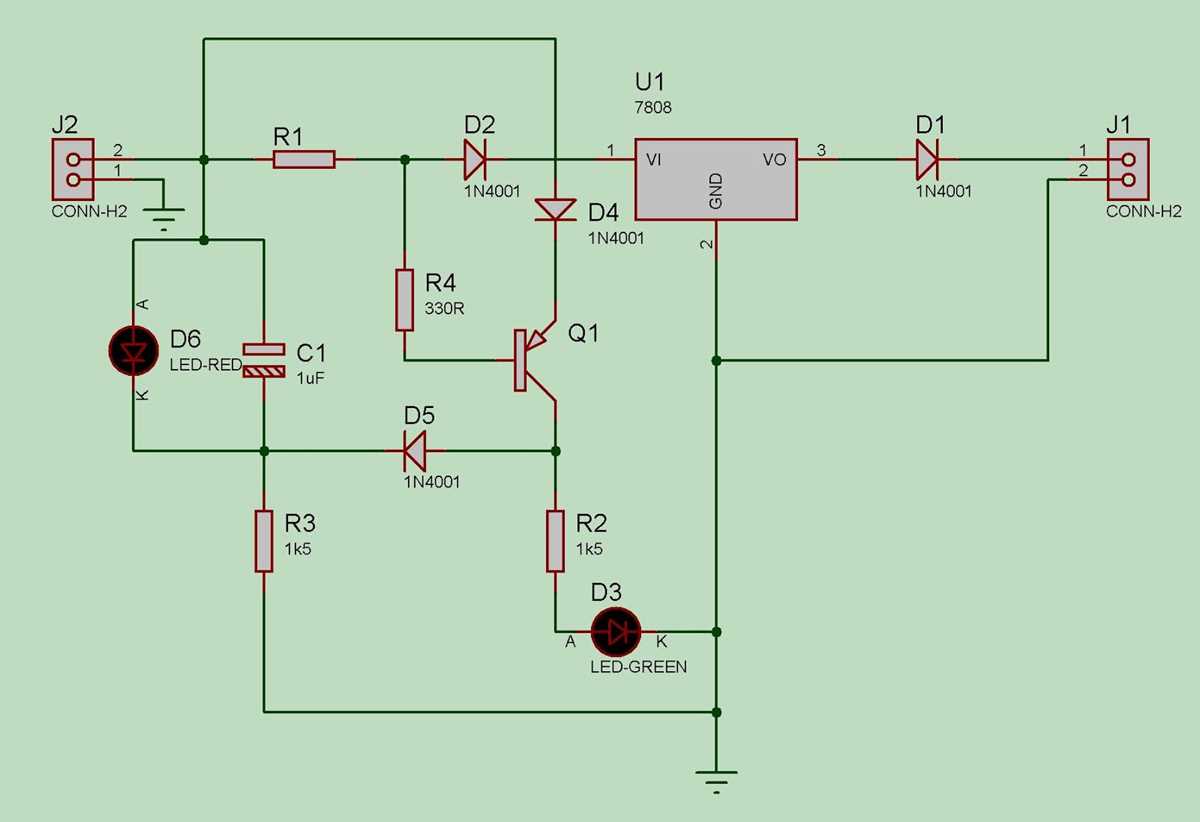
Always disconnect the main power supply before assembling transformer and rectifier modules. Verify input voltage with a multimeter to prevent overloading sensitive components.
Identify polarity on all wires before connecting. Red or marked leads should attach to positive terminals, black or unmarked leads to negative. Misconnection can damage voltage regulators and storage cells.
Inspect all connectors for corrosion, dirt, or bent pins. Clean terminals with a wire brush or contact cleaner to ensure reliable current flow and prevent heat buildup during operation.
Route high-current lines along rigid parts of the enclosure and away from moving components. Secure cables with clips or zip ties to prevent abrasion and accidental disconnection.
Connect the voltage regulation module carefully. Ensure all resistors, diodes, and capacitors are correctly oriented and soldered firmly to avoid intermittent operation.
Check the rectifier output with a multimeter before attaching storage cells. Confirm correct DC voltage and absence of fluctuations that could stress the storage unit.
Perform a functional test with minimal load applied. Monitor temperature at transformers, regulators, and leads, ensuring no component exceeds safe limits during initial operation.
After testing, inspect all connections and insulation. Add protective tubing or wraps to exposed wires, fasten all components securely, and verify that the enclosure is free from loose parts or sharp edges that could damage the assembly.
Connecting Transformer and Rectifier Components
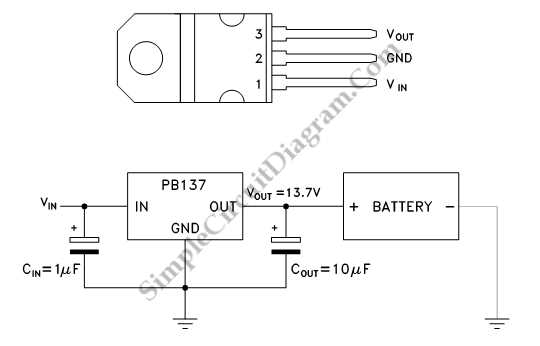
Disconnect all power sources before starting assembly. Verify the primary and secondary windings of the transformer with a multimeter to confirm continuity and correct resistance values.
Identify input and output terminals on both the transformer and rectifier. Match polarity carefully and connect leads using insulated wires rated for the expected current load to prevent overheating.
Secure the rectifier in place using screws or brackets, ensuring that diodes and heat sinks are properly mounted. Check that all solder joints are firm and free from cold solder or bridging that could cause short circuits.
Route leads away from moving parts or sharp edges inside the enclosure. Use cable ties or clips to maintain a neat layout and reduce mechanical stress on the connections over time.
Perform a preliminary voltage test at the rectifier output before attaching the storage unit. Confirm that the DC output matches expected levels and that there are no voltage spikes or irregularities that could damage downstream components.