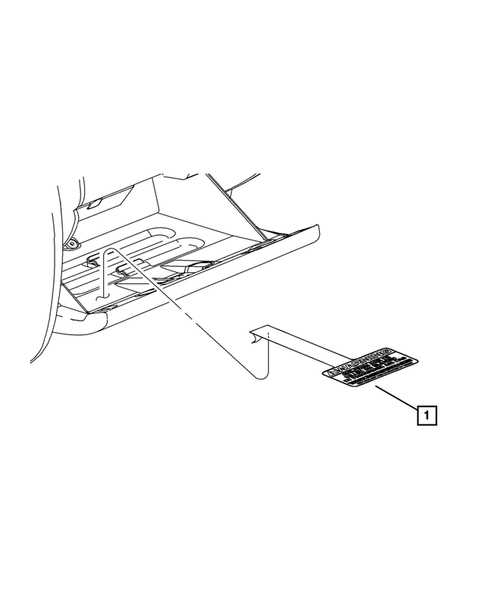
Start by identifying the primary components within the truck’s frame to ensure proper maintenance and repair. The engine assembly, transmission system, and suspension parts should be the focus for any troubleshooting. It’s also critical to familiarize yourself with the layout of both the electrical wiring and braking systems to avoid complications during repairs. Understanding these core sections can save time and provide greater insight into the mechanics of the vehicle.
The chassis structure supports the foundation of any truck, while knowing the positions of the fuel system components can prevent issues related to fuel delivery. Additionally, becoming acquainted with the exhaust system and cooling system will provide clarity on maintaining engine efficiency and preventing overheating, both critical for long-term performance.
Maintaining the bodywork and interior components such as dashboard electronics and seating mechanisms ensures both functionality and comfort. With an understanding of how parts are arranged and interrelated, troubleshooting becomes more intuitive. Prioritize components that are most likely to wear down over time, like the brake pads and suspension coils, as these are integral to vehicle safety and driving experience.
Key Component Identification for Service and Maintenance
Refer to the following parts for identifying and maintaining various vehicle components:
- Front Bumper Assembly: Ensure that all mounting brackets, fasteners, and sensor connections are secure. Inspect the structure for damage or cracks, especially near the edges.
- Suspension Components: Regularly check the shock absorbers, coil springs, and sway bar links for wear or leaks. Any signs of deterioration should prompt immediate replacement to avoid handling issues.
- Engine Mounts: Inspect the rubber mounts for any visible cracks or deterioration. Engine movement or unusual vibrations may indicate a need for new mounts.
- Dashboard and Interior Electronics: Check that the electronic control systems (infotainment, AC, and power windows) are functioning properly. Look for issues with wiring connections or faulty relays.
- Battery and Charging System: Inspect the battery terminals for corrosion and ensure the alternator wiring is intact. A faulty battery or alternator can cause electrical failures.
- Exhaust System: Examine the exhaust manifold, catalytic converter, and muffler for rust or leaks. A damaged exhaust system affects engine performance and emissions.
- Cooling System: Inspect the radiator, coolant hoses, and thermostat. Look for leaks or blockages, and ensure the coolant level is within the recommended range.
- Brake System: Check brake pads for wear, ensuring a minimum thickness is maintained. Inspect brake rotors for warping or scoring and ensure the calipers are operating smoothly.
Routine inspection and replacement of worn components are necessary to maintain smooth operation and prevent costly repairs. Always refer to the specific vehicle manual for guidance on maintenance intervals and part specifications.
Understanding the Engine Components of the 2021 Pickup
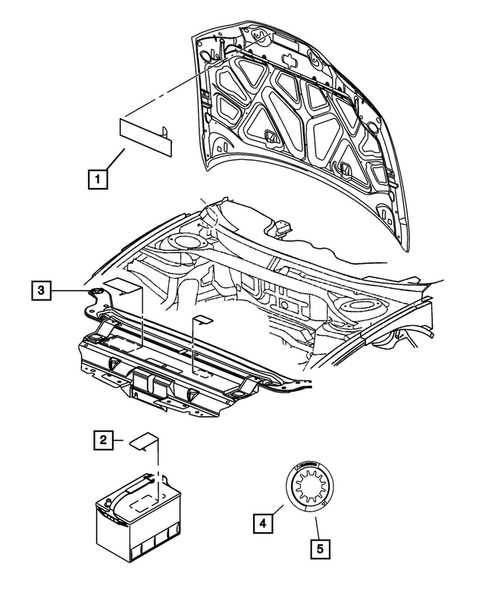
The powertrain of this truck relies heavily on its engine block, where most internal combustion processes occur. A solid and durable structure, the block contains cylinders, crankshaft, and pistons, crucial for the vehicle’s performance.
The crankshaft plays a major role in converting the up-and-down motion of the pistons into rotational force, which is vital for moving the vehicle. It’s connected to the camshaft, which controls the opening and closing of engine valves.
Cylinder heads cover the cylinders, housing the intake and exhaust valves. Their proper function is key to ensuring smooth airflow in and out of the engine, impacting fuel efficiency and performance. The valve lifters help maintain the right position for the valves at all times.
The timing chain coordinates the motion between the crankshaft and camshaft, ensuring that valves open and close at precise moments during the engine cycle. If this component fails, the engine can suffer from poor timing, leading to a loss of power or damage.
At the heart of the combustion cycle lies the pistons. They move within the cylinders, powered by controlled explosions of fuel and air. Their up-and-down motion generates power that eventually turns the wheels. The connecting rods link pistons to the crankshaft, allowing this motion to translate into rotation.
The fuel injectors precisely deliver fuel into the combustion chamber, ensuring that air-to-fuel ratios remain optimal for efficiency and power. The spark plugs ignite this mixture, creating the explosion needed to drive the pistons.
A robust oil pump circulates oil throughout the engine to lubricate moving parts, reducing friction and heat buildup. Without this component, the engine could quickly seize up due to overheating or excessive wear.
When it comes to cooling, the water pump circulates coolant through the engine to regulate temperature, preventing overheating. The radiator helps dissipate the excess heat from the coolant, ensuring engine temperatures stay within safe limits.
In summary, each component in this truck’s engine works cohesively to ensure smooth and powerful performance. Maintaining and understanding each part’s role is crucial for optimal engine operation and longevity.
Identifying Suspension and Steering Components
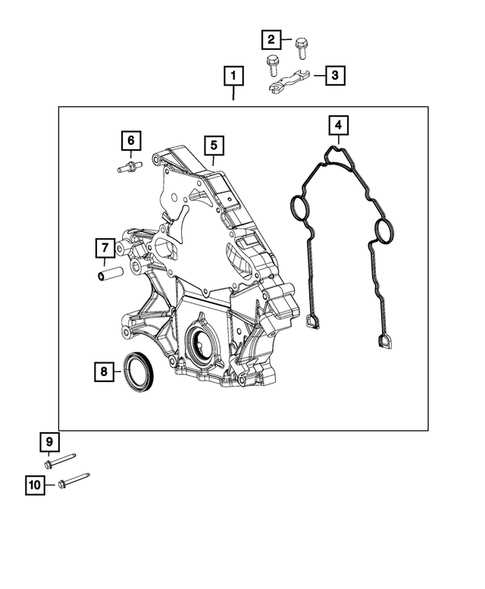
Inspect the suspension system by focusing on the control arms, struts, shock absorbers, and sway bars. The control arms link the wheels to the frame, allowing for controlled movement. Struts combine shock absorbers and suspension components to stabilize the vehicle, typically located at the front or rear. The shock absorbers help reduce impact forces from the road, while sway bars enhance stability during cornering.
In the steering system, examine the tie rods, steering rack, and column. Tie rods connect the steering mechanism to the wheels, transferring movement. A damaged tie rod can cause uneven wheel alignment. The steering rack, often located at the front, converts rotational input from the steering wheel into lateral wheel movement. If there’s difficulty in steering or unusual sounds, the steering rack may need attention.
Monitor for signs of wear such as fluid leaks, steering difficulty, or unusual noise. These could indicate issues with either the suspension or steering components. Addressing these promptly ensures safety and vehicle stability.