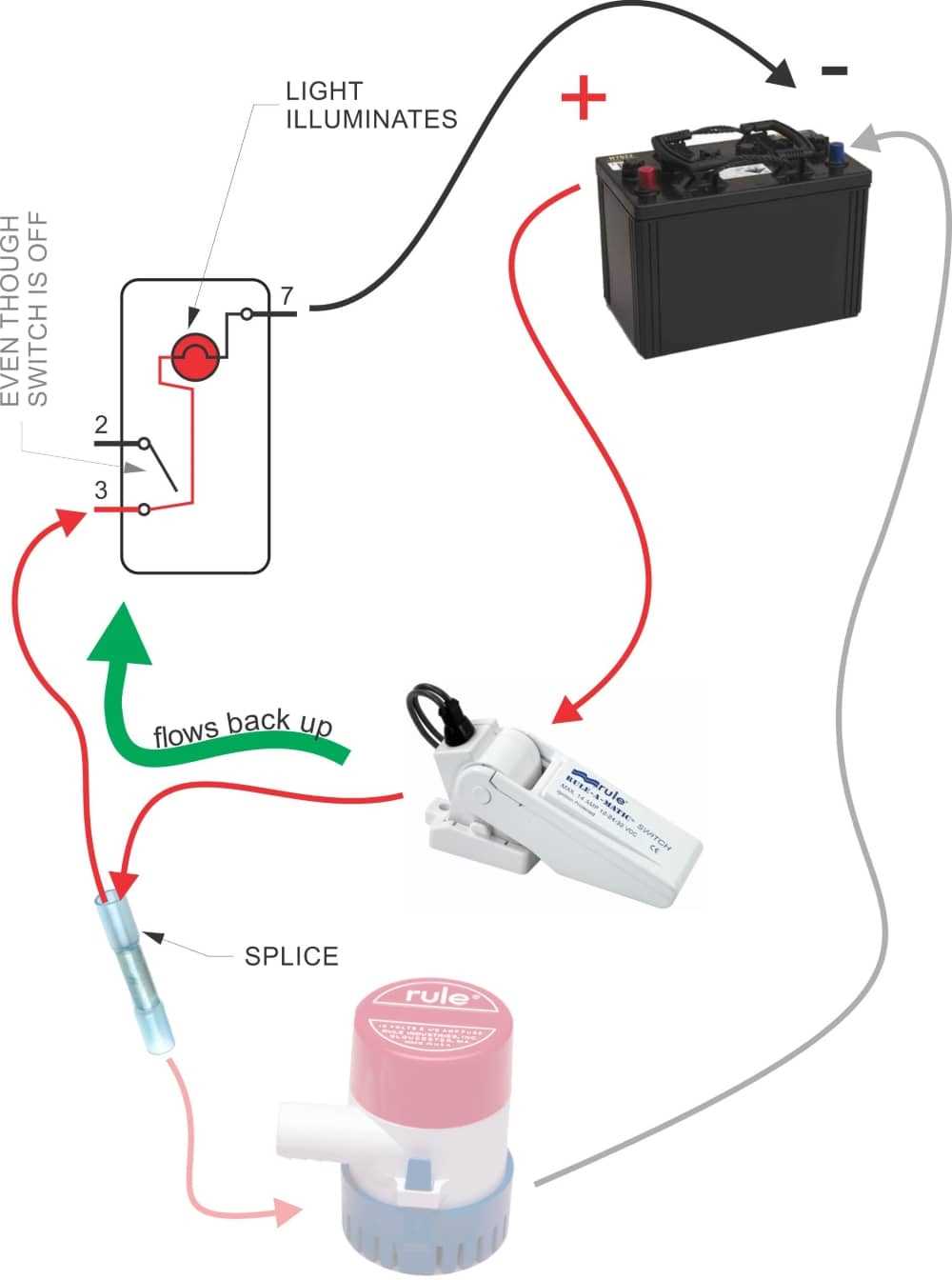
To correctly set up the electrical connections for your boat’s water pump system, start by ensuring you have the correct components. Identify the terminals for power, ground, and activation. Properly wiring the system ensures that the pump turns on automatically when water levels rise, keeping your boat dry and safe.
Before beginning, check the power requirements for the pump. Different pumps may have varying voltage needs, so match the pump’s specifications with the appropriate wire gauge. Incorrect connections could cause system failure or damage. Additionally, inspect the grounding connection to avoid electrical interference or risk of shock.
Next, connect the activation wire to the appropriate sensor, which detects water levels in the hull. The sensor triggers the pump to activate when the water reaches a certain level. Make sure the sensor is clean, undamaged, and correctly positioned to avoid false readings or delays in activation.
Finally, double-check all connections before powering on the system. A miswired connection or loose terminal can cause the system to malfunction. Use waterproof connectors to prevent corrosion over time, and ensure all wiring is securely fastened and protected from the elements. Regular maintenance will ensure reliable operation in all conditions.
Wiring Guide for Pump Activation System
To begin the installation of the water pump activation system, start by identifying the power input and ground connection. Ensure you have the right wire gauge for the power supply to prevent overheating or electrical issues. A higher power demand requires a thicker wire to support the current safely.
Once the power and ground connections are identified, proceed to the control terminal that will trigger the pump. This terminal is activated by the water level sensor that detects rising water in the hull. It’s critical that the sensor is placed in the lowest point of the boat’s hull for accurate readings.
Next, the activation wire must be routed securely and connected to the pump. Be sure to use waterproof connectors to prevent corrosion. Loose or exposed wires will eventually lead to system failure or malfunction, especially in harsh marine environments.
While connecting the sensor, ensure it is positioned correctly. The water level sensor is typically mounted in a spot that can sense water quickly, but it’s crucial that it’s clean and free from any debris that could hinder its ability to detect water levels.
Inspect all connectors before finalizing the setup. Any misconnection or loose terminal could cause malfunction or even damage the pump. You should always use marine-grade components to guarantee durability against saltwater exposure.
When securing the wiring, avoid placing it in areas where it can be pinched or subject to constant wear. A proper cable management system will keep the installation neat and reduce the risk of future problems. Secure the wires with zip ties or clips to prevent accidental pulls.
Once the connections are made, test the system by manually triggering the sensor. Ensure that the pump activates when water is detected and deactivates when the water level falls. If the system doesn’t function as expected, recheck the wiring connections to the sensor and pump for any loose or incorrect links.
Finally, make sure the system is water-tight by testing it in real-life conditions. Check that all wiring is properly insulated and that there are no exposed wires. Routine maintenance will keep the system running smoothly, ensuring your boat stays dry even in challenging conditions.
Understanding the Components of a Water Pump Control System
The first component of this setup is the water level sensor, which detects the rising water inside the vessel. This sensor is typically installed at the lowest point of the hull to ensure it activates the system when needed. When the water level rises above a certain threshold, the sensor sends a signal to activate the pump.
The second key component is the pump itself. It is responsible for removing excess water from the hull. Pumps vary in size and capacity, but it is crucial to select one that can handle the volume of water that may accumulate. Additionally, pumps should be designed for marine use to resist corrosion from saltwater environments.
Next, the control relay acts as a mediator between the sensor and the pump. When the sensor detects water, the relay is activated and completes the circuit to power the pump. The relay ensures that the system operates only when required, saving power and preventing unnecessary pump use.
The power supply is another crucial element. It must be connected to both the sensor and the pump. Marine-grade wiring should be used to ensure durability in harsh marine environments. The wiring should also be properly insulated to avoid any risk of short circuits or damage due to exposure to water.
Lastly, the system includes a manual override switch. This switch allows the operator to bypass the automatic control and activate the pump manually in case of an emergency or to troubleshoot. It is typically mounted near the helm or control panel for easy access in case of high water levels or system failure.