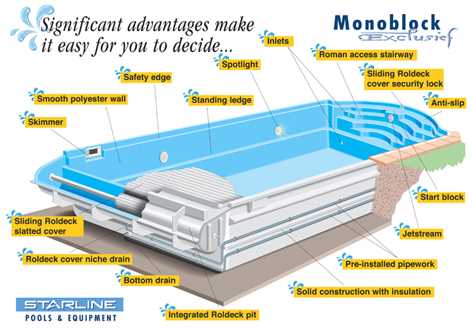
To maintain your system properly, start by reviewing the filtration unit. This component is crucial for keeping the water clean and free from debris. If you notice reduced flow, the filter might be clogged, and a detailed inspection will show whether cleaning or replacement is necessary.
Next, examine the plumbing connections, including pipes, valves, and fittings. Over time, these parts can wear out or develop leaks, which can lead to water loss and reduced efficiency. Regular inspection helps identify weak points before they turn into major issues.
Also, focus on the circulation system, including the pump and motor. If the system fails to run efficiently, it could cause uneven water distribution, affecting water quality and flow. Knowing how to identify and fix common issues with the circulation system will extend its lifespan and improve overall performance.
Identifying Key Components in Your Water Circulation System
Start by locating the filter assembly, as it plays a major role in maintaining clean water. If you notice lower water flow, this component may be clogged or require replacement. Inspect the filter regularly for any visible signs of wear or debris buildup.
Next, check the motor and pump. These elements are responsible for moving water throughout the system. If you experience loud noises or irregular operation, it could signal a malfunction in the motor or an issue with the pump impeller. Regular lubrication and proper maintenance can prevent damage to these parts.
Also, inspect the valves, hoses, and connectors. Over time, these components may crack or leak, leading to inefficiency or potential flooding. Ensuring all connections are tight and intact is necessary for maintaining system integrity and avoiding unnecessary water loss.
How to Identify and Replace the Water Circulation System Components
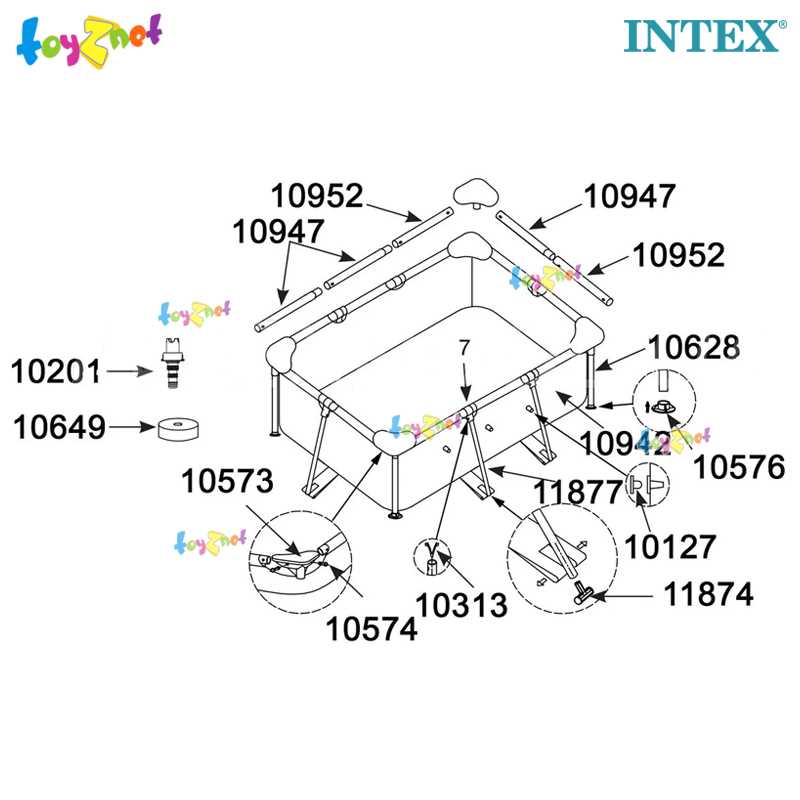
Start by inspecting the motor housing for any cracks or leaks. If the motor is not running smoothly, check for any visible damage or wear on the impeller. A faulty impeller can cause the motor to overheat or fail to circulate water properly. Replacing a damaged impeller involves removing the motor cover and disassembling the pump unit.
If the motor is still functioning but water flow is weak, check the seals and o-rings around the pump housing. Worn-out seals can cause air leaks, disrupting the system’s performance. Replace these seals with new ones to restore the proper flow and prevent leakage.
Next, inspect the intake and discharge ports. Debris, dirt, or mineral buildup can block these pathways, causing the pump to lose efficiency. Clean or replace the intake filter and ensure that the discharge port is clear of obstructions. Regular maintenance of these areas will help keep the system running efficiently.
Lastly, check the electrical connections. If the pump is not turning on or shutting off intermittently, loose or damaged wires could be the cause. Ensure all connections are secure, and replace any frayed wires or faulty connections to restore proper operation.
Step-by-Step Guide to Maintaining Filters and Valves
First, turn off the water circulation system to ensure safety during maintenance. Disconnect the electrical supply and ensure that no water flows through the system before starting any repairs or cleaning.
Next, remove the filter unit and inspect the filtration material. If the filter is clogged with debris or dirt, rinse it thoroughly with water. For a deep cleaning, soak the filter in a cleaning solution designed for that specific type. If the filter is damaged or excessively worn, replace it with a new one according to the manufacturer’s recommendations.
After cleaning or replacing the filter, check the valves for any signs of leakage or damage. Examine the valve seals for wear. If you find any cracks or weak points, it’s time to replace the valve seals to ensure that the water flow remains sealed and consistent.
Once the filter and valves are cleaned or replaced, reassemble the system and check for proper alignment. Ensure that all components are securely attached, and there are no loose fittings that could cause leaks. Finally, turn on the water circulation system to test for proper function and inspect for any irregularities in the flow or pressure.
Understanding the Heater and Plumbing System Layout
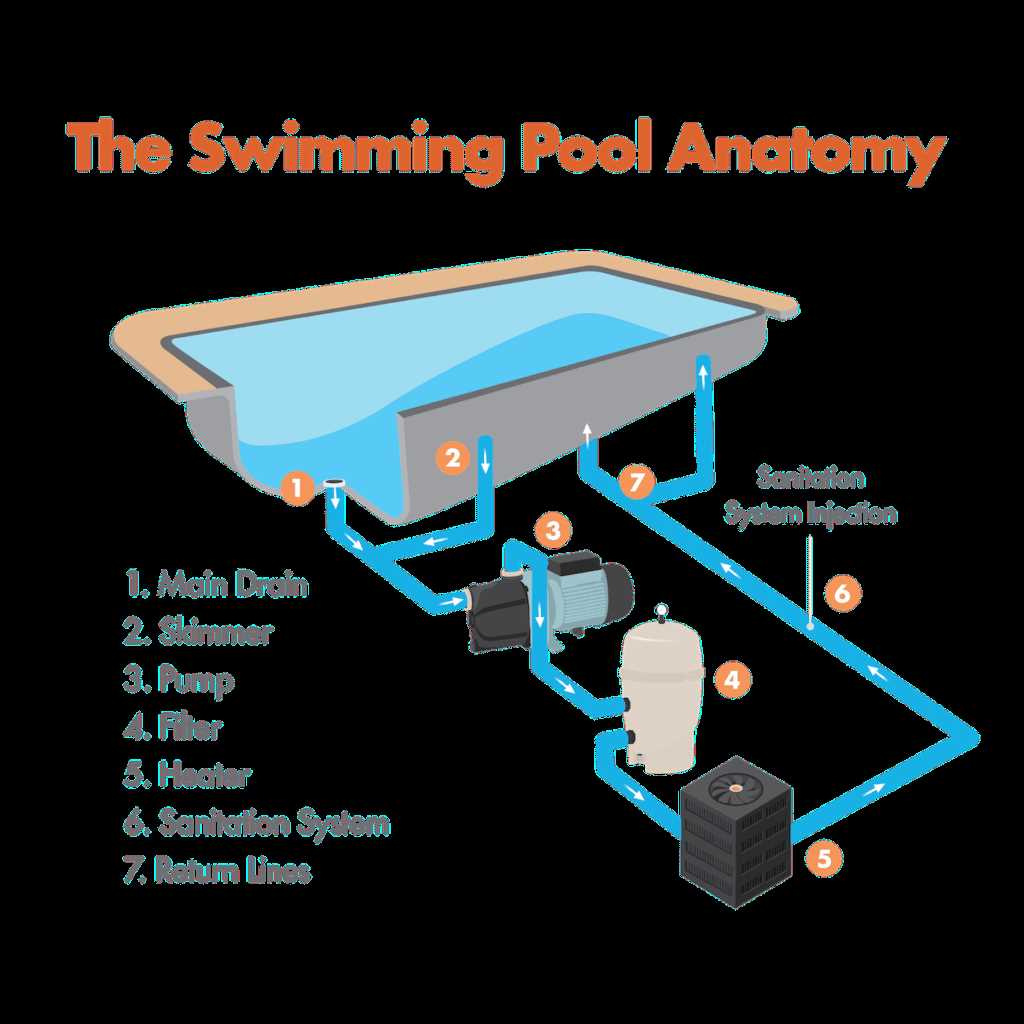
Start by familiarizing yourself with the general layout of the heating and plumbing system. This includes the water intake, circulation pipes, heater unit, and return lines. The setup ensures that water is heated efficiently before returning to the system. Below are key components to focus on:
- Water Intake: The water intake valve controls the flow of water entering the system. Ensure it’s properly closed during maintenance.
- Circulation Pump: This pump moves water through the system, including the filter and heater. Check its performance regularly to avoid clogging.
- Heater Unit: The heater warms the water before it is sent back. Make sure the heat exchanger is clean, and the unit is free from leaks.
- Return Lines: These pipes return the heated water to the desired areas. Inspect for any signs of wear or leaks along these pipes.
- Temperature Control: The thermostat regulates the water temperature. Ensure it’s calibrated and responds accurately to the desired settings.
After inspecting the individual components, verify the system’s pressure and flow rate using the system’s pressure gauge. If pressure drops unexpectedly, check for any blockages in the pipes or malfunctioning components. Maintaining a clean filter and heater unit will help preserve the overall efficiency of the system.
Regularly flush the heater to remove any scale buildup, as this can significantly improve its performance and lifespan. Keep the plumbing system free of air pockets, as they can cause the system to function erratically.