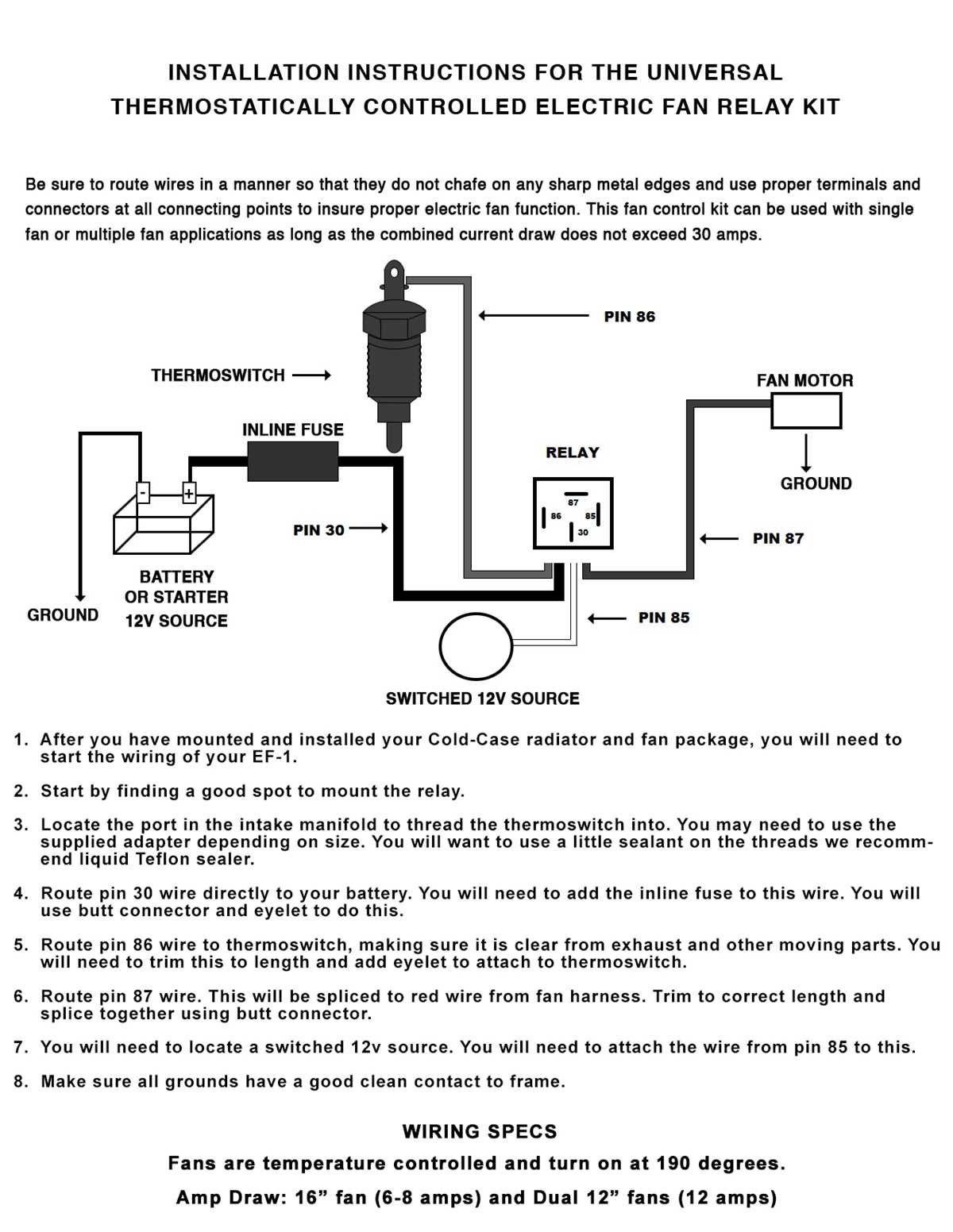
Use a small AC motor rated at 120 V and 60 Hz with insulated windings to prevent overheating. Connect bridge rectifiers with diodes rated for 2× the peak current to ensure reliable conversion to DC. Place filter capacitors close to the rectifier to reduce voltage ripple below 50 mV.
Include a variable resistor of 10 Ω, 5 W in series with the motor to allow speed adjustment while limiting inrush current. Ensure all connections are soldered with low-resistance leads to maintain consistent voltage under load. Mount the stabilizer on an aluminum heat sink capable of dissipating at least 15 W continuously.
Test the layout under incremental loads, from 0.5 A to 3 A, monitoring the output voltage for fluctuations. Add a bleeder resistor across large filter capacitors to discharge stored energy safely when the unit is powered down. Use a star-point grounding configuration to minimize electromagnetic interference and prevent hum in sensitive applications.
Electric Motor Layout Guide
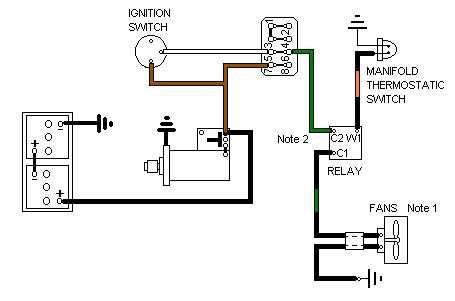
Choose a small AC motor rated at 120 V, 60 Hz with thermally insulated windings. Use a bridge rectifier with diodes rated at least twice the peak current to convert AC to DC reliably. Position electrolytic capacitors immediately after the rectifier to maintain voltage ripple below 50 mV.
Install a variable resistor of 10 Ω, 5 W in series to allow speed adjustment and limit inrush current. Connect leads with short, thick wires to minimize resistance and voltage drop. Mount the voltage stabilizer on a heat sink rated for at least 15 W dissipation to prevent thermal overload.
Use a fuse rated at 1.25× maximum current on the primary side of the transformer. Include a bleeder resistor across filter capacitors to safely discharge stored charge. Ensure grounding follows a star-point configuration to reduce hum and electromagnetic interference.
- Test under incremental loads from 0.5 A to 3 A.
- Measure voltage fluctuations and adjust the stabilizer as needed.
- Monitor component temperatures to verify safe operation.
For stable rotation, add a small-value ceramic capacitor (0.1 µF) across the stabilizer output. This suppresses high-frequency oscillations that can cause jitter. Verify that all solder joints are solid and free from cold connections.
Ensure the layout allows airflow around the heat sink and rectifier. Secure the motor and supporting components to a rigid base to prevent vibration. Double-check all connections and insulation before applying full load, confirming voltage remains within ±2 % of the target value.
Selecting Components for Stable Operation
Use a transformer with a secondary voltage at least 20 % higher than the required DC output to reduce regulator stress and accommodate voltage drops. Verify that its current rating exceeds the maximum load by at least 50 %.
Choose rectifier diodes rated for 1.5–2× peak current with a reverse voltage tolerance at least double the secondary AC voltage. Fast-recovery types are recommended to minimize switching losses and heat buildup.
Install electrolytic capacitors with capacitance of 2200–4700 µF per ampere of expected load. Select low ESR types to reduce voltage ripple under high current draw. Place them close to the rectifier to maintain consistent voltage.
Use ceramic capacitors of 0.01–0.1 µF across regulator input and output to suppress high-frequency oscillations. These prevent jitter and reduce electromagnetic interference that can affect sensitive components.
Include a series resistor of 0.22–0.33 Ω, 5 W ahead of the stabilizer to limit inrush current and protect diodes and capacitors during startup. Ensure it is physically separated from heat-sensitive components.
Select a three-terminal voltage regulator rated above the maximum load current with built-in overcurrent protection. Mount it on an aluminum heat sink capable of dissipating at least 25 % more than expected thermal load to prevent overheating.
Use a fuse rated at 1.25× maximum operating current on the transformer primary. Add a bleeder resistor across filter capacitors to safely discharge stored energy when the layout is powered down.
Verify all connections with short, thick wires to reduce resistance and voltage drop. Test each component individually under load conditions to ensure stable voltage output within ±2 % of the target value before final assembly.