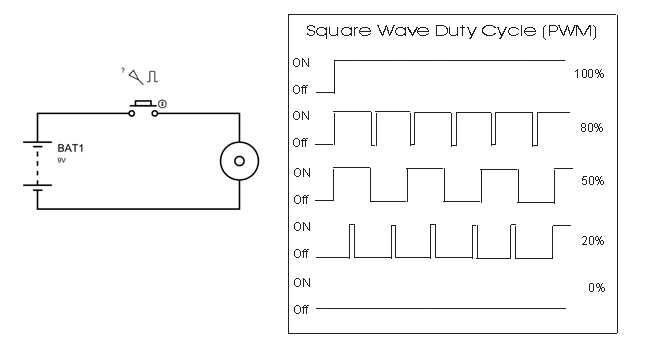
Use a regulated 24-volt supply with at least 5 amperes of current to ensure stable operation of your DC drive setup. Connect the positive and negative terminals precisely to prevent voltage fluctuations that can damage the components.
Select MOSFETs or relays rated above the peak current of your load. For applications drawing up to 4 amperes, IRF540N or equivalent transistors provide reliable switching without excessive heat generation.
Incorporate a flyback diode across the windings to suppress voltage spikes caused by inductive loads. This prevents damage to the switching device and stabilizes signal response.
Use PWM signal generation from a microcontroller or dedicated IC to adjust rotational speed precisely. Set the frequency between 1 kHz and 20 kHz to reduce audible noise and ensure smooth operation under varying loads.
Include a heat sink for all power-handling components. Even moderate loads can raise junction temperatures rapidly, and proper thermal management extends operational lifetime significantly.
Wire all connections with at least 18 AWG for low-resistance paths on short runs, and consider 16 AWG for lengths over 50 cm. Tight connections prevent voltage drops and intermittent operation.
Test the assembly incrementally by energizing the supply without load first, then gradually introducing resistive or mechanical load. Monitor voltage and current at each stage to ensure stability before full deployment.
24v DC Drive Setup Guide
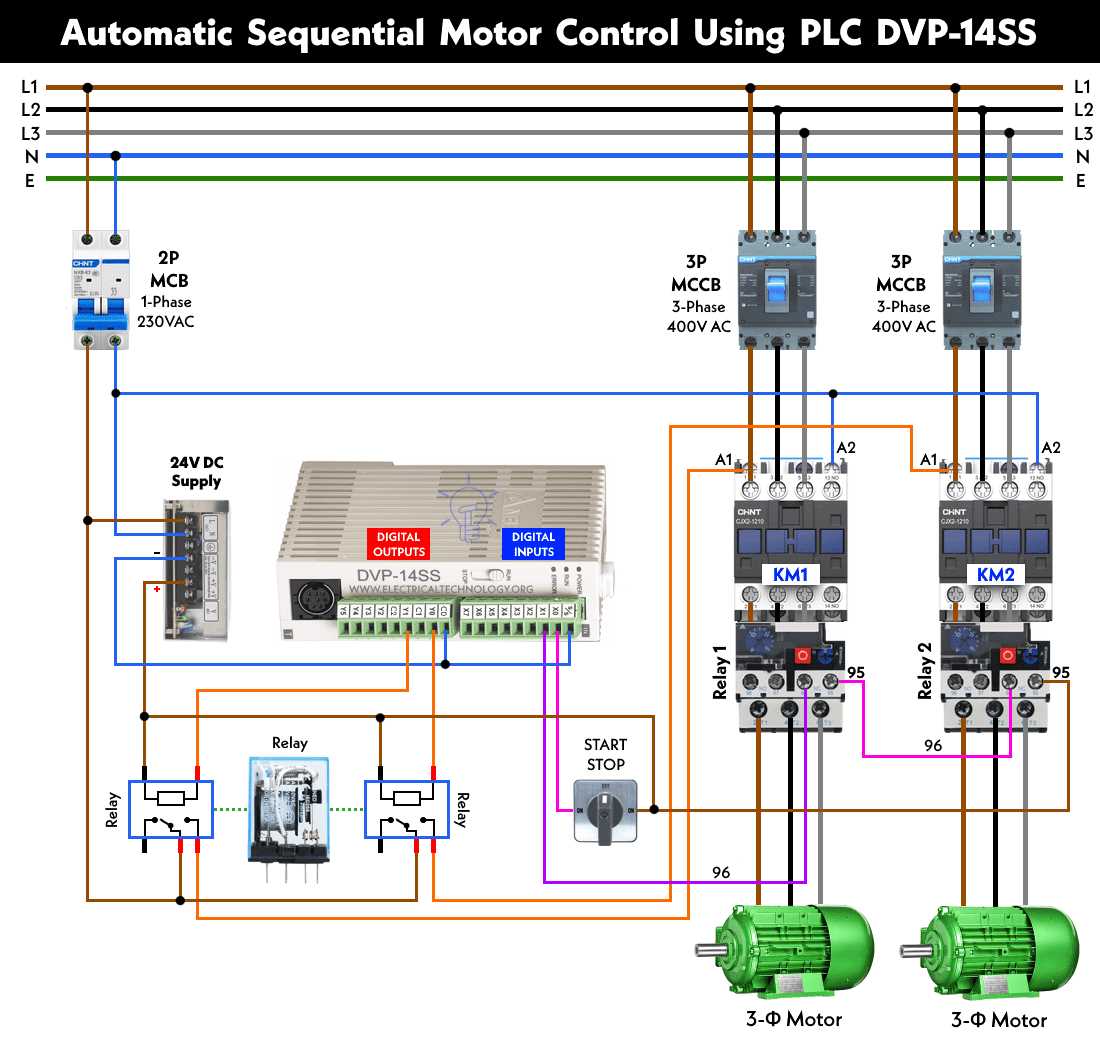
Use a regulated 24-volt supply capable of delivering at least 5 amperes to power the rotational unit safely. Connect the supply terminals precisely to the corresponding input points on the drive module to prevent voltage spikes that can damage transistors or relays.
Integrate pulse-width modulation to adjust rotational speed accurately. Use a frequency range of 1 kHz to 20 kHz to reduce audible noise while maintaining smooth response under load. Include a flyback diode across the inductive windings to suppress voltage spikes during switching events.
Monitor thermal conditions by mounting heat sinks on all power components. Conduct incremental tests starting with no-load operation, then gradually introduce mechanical or resistive load, while checking voltage and current at each step to ensure stability before continuous operation.
Choosing the Right Components for 24v DC Drive Setup
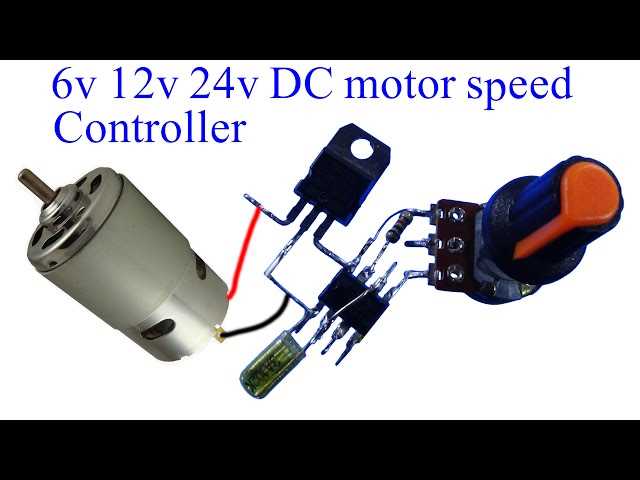
Select power transistors rated at least 30% above the expected load current to handle startup surges without overheating. Use MOSFETs with low Rds(on) values to minimize energy loss and ensure stable voltage during rapid acceleration cycles.
Pick a pulse-width modulation module with a frequency range of 1 kHz to 20 kHz to balance switching speed and audible noise. Include flyback diodes on all inductive paths and ensure capacitors have voltage ratings 50% higher than the supply to prevent breakdown under transient spikes.
Use robust connectors and wiring that can handle continuous current without excessive heating. Install heat sinks on all power components and test each connection under incremental load conditions to verify that voltage drops remain below 0.5 volts across terminals during peak operation.