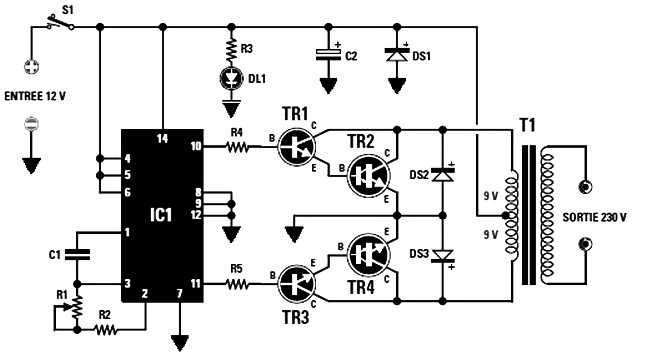
Verify all input and output terminals before applying voltage. Ensure connections are secure and free from corrosion to prevent voltage drops and protect components from damage.
Trace each conductor from the battery to the load terminals to confirm continuity. Use a multimeter to check for resistance that could affect charging or power delivery to devices.
Label positive and negative lines clearly to avoid accidental reversal. Incorrect connections can trigger protective fuses or damage sensitive electronic modules.
Check protective devices and fuses along the power path. Confirm ratings match the expected current to ensure both the battery and load are safeguarded during operation.
Test the system under low load before full operation. Verify that voltage levels remain stable and that the battery receives consistent current for reliable charging.
Inverter and Charger Connection Guide
Secure all battery terminals before connecting the power conversion unit. Tight, clean connections reduce resistance and prevent overheating during both charging and load supply.
Route each power conductor separately to avoid interference and ensure proper current flow. Check insulation for cracks or abrasions that could cause shorts when the system operates under full load.
Test each output under controlled conditions before integrating sensitive devices. Measure voltage and current to confirm stable operation, and verify that protective fuses engage correctly if an overload occurs.
Identifying Power Inputs and Battery Terminals
Inspect all input connections for clear labeling before applying voltage. Identify positive and negative terminals using color coding or markings to prevent reverse connection damage.
Measure voltage at each input line using a multimeter to confirm expected levels. Ensure the supply matches the battery bank specifications to avoid overvoltage or underperformance.
Trace conductors from the main source to each terminal block. Check for corrosion, loose nuts, or damaged insulation that could interrupt current flow during operation.
Verify battery polarity at every connection point. Positive and negative lines must correspond exactly with the source to maintain consistent charging and avoid triggering fuses or protection circuits.
Label each terminal clearly to simplify future maintenance. Use permanent markers or heat-shrink labels that resist heat and moisture to prevent confusion in complex installations.
- Confirm that the main power feed connects directly to the battery terminals.
- Check that secondary loads are connected through proper protective devices.
- Ensure that grounding lines are secure to prevent stray voltage issues.
Test continuity along each connection before initiating full load operation. Any resistance spikes indicate poor contact or damaged conductors requiring immediate correction.
Document all connections including input points, terminal assignments, and protective devices. Maintaining a reference guide helps in troubleshooting and ensures safe operation over time.