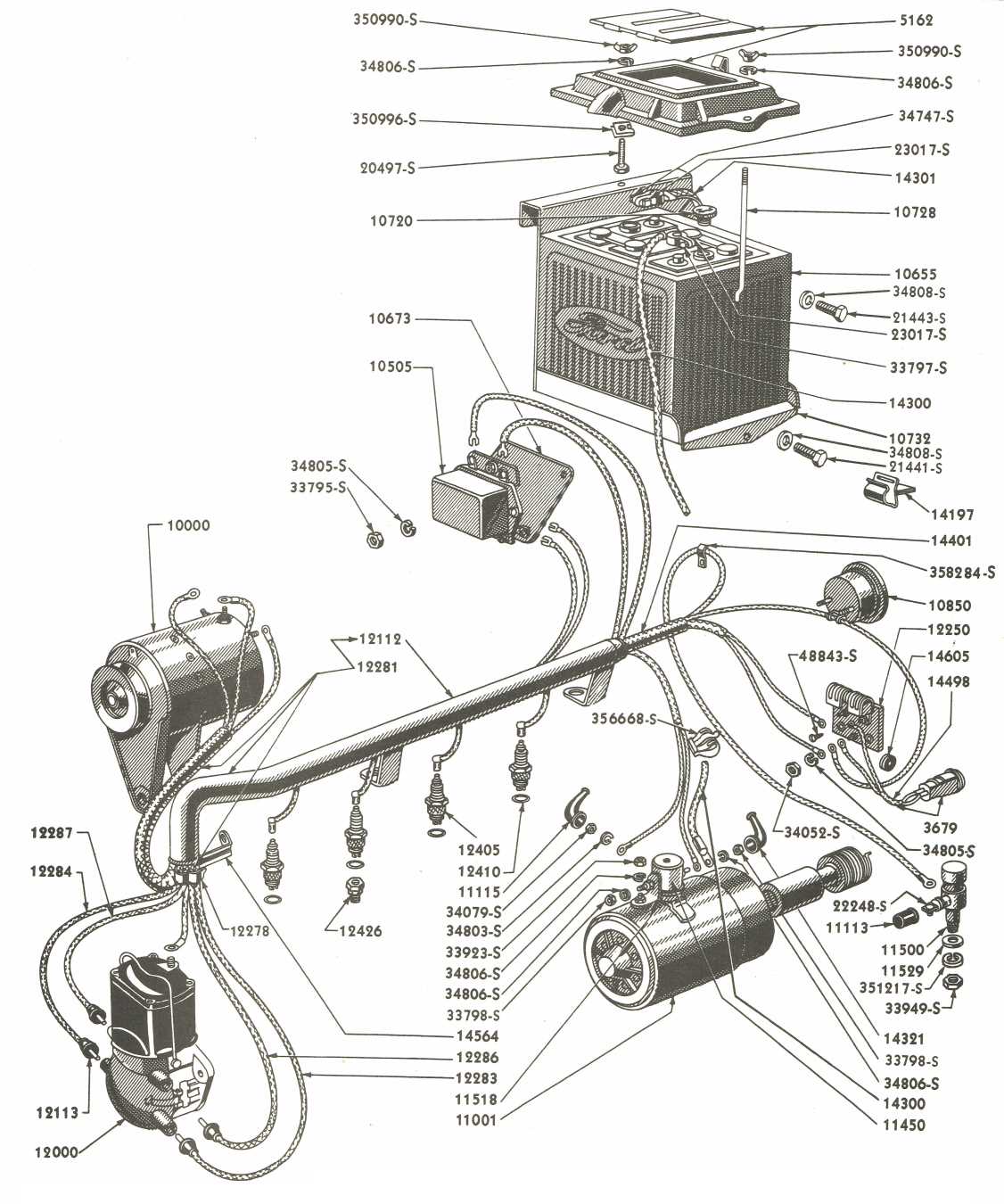
Start by identifying the main power lines running from the battery to the ignition switch and starter motor. Ensuring correct placement prevents shorts and maintains stable engine operation.
Label each lead before disconnecting old connectors to avoid confusion during reassembly. Use color codes and tag both ends of each cable for accurate reconnection.
Check the lighting circuit carefully including headlights, tail lamps, and dashboard indicators. Confirm each terminal is secure and corrosion-free to maintain consistent illumination.
Install fuses or circuit breakers on all accessory circuits to protect from overloads. Match the fuse rating to the amperage requirement of each device for reliable operation.
Verify all grounding points on the chassis and engine block. Clean any rust or paint that could impede conductivity, ensuring proper current flow to all systems.
12 Volt Electrical Connections Guide for 8N Tractors
Begin by tracing the main feed line from the battery to the ignition switch and starter solenoid. Confirm all terminals are tight and free of corrosion to prevent voltage drops that can stall the engine.
Label each cable before removal to maintain correct placement during reassembly. Use colored tags or numbered markers to distinguish between headlight, gauge, and accessory circuits.
Inspect the lighting loop carefully. Verify that the front and rear lamps, as well as dashboard indicators, receive uninterrupted current. Replace brittle insulation or frayed connectors to reduce the risk of shorts.
Install inline fuses on every auxiliary circuit including the horn, PTO switch, and implement controls. Choose fuse ratings that match the amperage load of each component for consistent operation.
Check all ground points on the engine block and frame. Scrape away paint or rust, and tighten fasteners securely. Proper grounding ensures stable ignition and avoids flickering instruments.
Starter and Ignition Lines
Ensure the starter relay wire is routed away from heat sources and moving parts. A short connection here can prevent engine cranking or damage the solenoid. Confirm that the ignition coil receives correct polarity for reliable firing.
Accessory and Auxiliary Circuits
Run additional leads for lights, gauges, and PTO safely along the frame using insulated clamps. Avoid crossing high-current lines with low-current sensors to minimize interference. Test each circuit with a multimeter before final assembly to confirm continuity and proper voltage.
Ignition and Starter System Connections
Connect the main lead from the battery directly to the starter solenoid and ensure the terminal is clean and tightly secured. Any looseness can prevent the motor from cranking properly.
Route the ignition coil cable carefully to the distributor, keeping it away from heat sources and moving parts. Check for any cracked insulation that could cause misfires or shorts.
Install a reliable switch between the battery and starter relay. Confirm that the relay clicks audibly when the key is turned, indicating proper current flow to the starter motor.
Check all connectors in the ignition path, including the points or electronic module. Tighten loose connections and clean any oxidation to maintain consistent spark timing.
Ensure grounding straps between the engine block and chassis are intact. Poor grounding can cause slow cranking, flickering lights, or failure of auxiliary circuits.
Test the complete circuit with a multimeter before final assembly. Verify voltage at the starter and ignition terminals under load to confirm correct installation and reliable engine start-up.