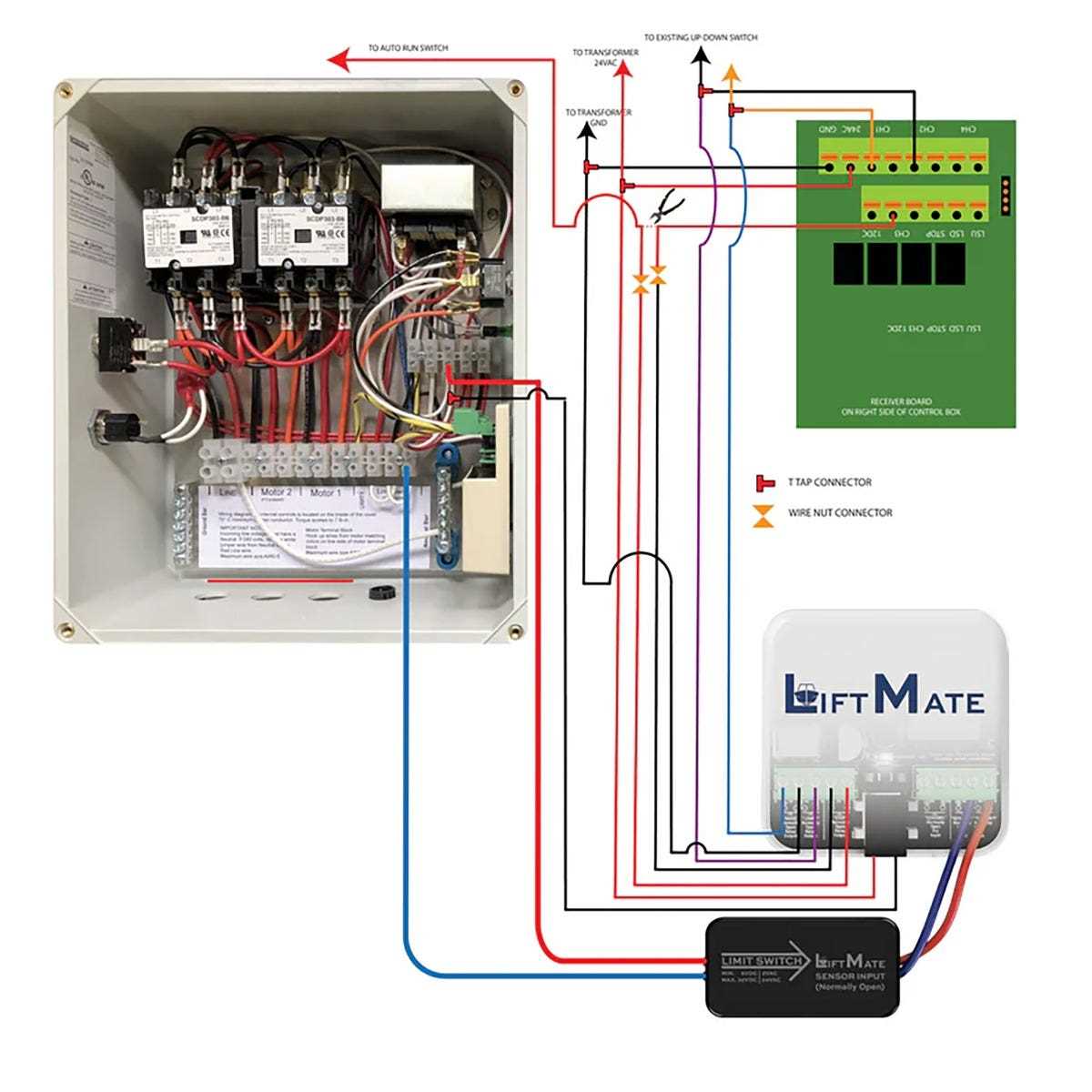
Before starting any electrical installation, ensure the power supply is off. This safety measure prevents accidents and damage to the components. Next, focus on identifying the various parts, including the control panel, relay switches, and electrical connections. Understanding how each part functions within the system will make the wiring process much clearer.
The main power line should connect to a dedicated circuit breaker to prevent overloads. This breaker ensures that the system shuts down in case of any electrical issues, protecting the components from damage. Check the power rating of each part to ensure compatibility with the power supply you’re using.
Next, connect the relay switch to the power line and the other components. The switch controls the current that powers the lift, allowing for smooth operation. Be sure to use a properly rated switch to handle the load, and always double-check the connections before testing the system.
After the wiring is complete, use a multimeter to verify the voltage and ensure everything is functioning as expected. If the system isn’t responding correctly, check for any loose connections or faulty components. A solid understanding of how each part interacts will make troubleshooting easier if any issues arise.
Boat Lift Electrical System Setup
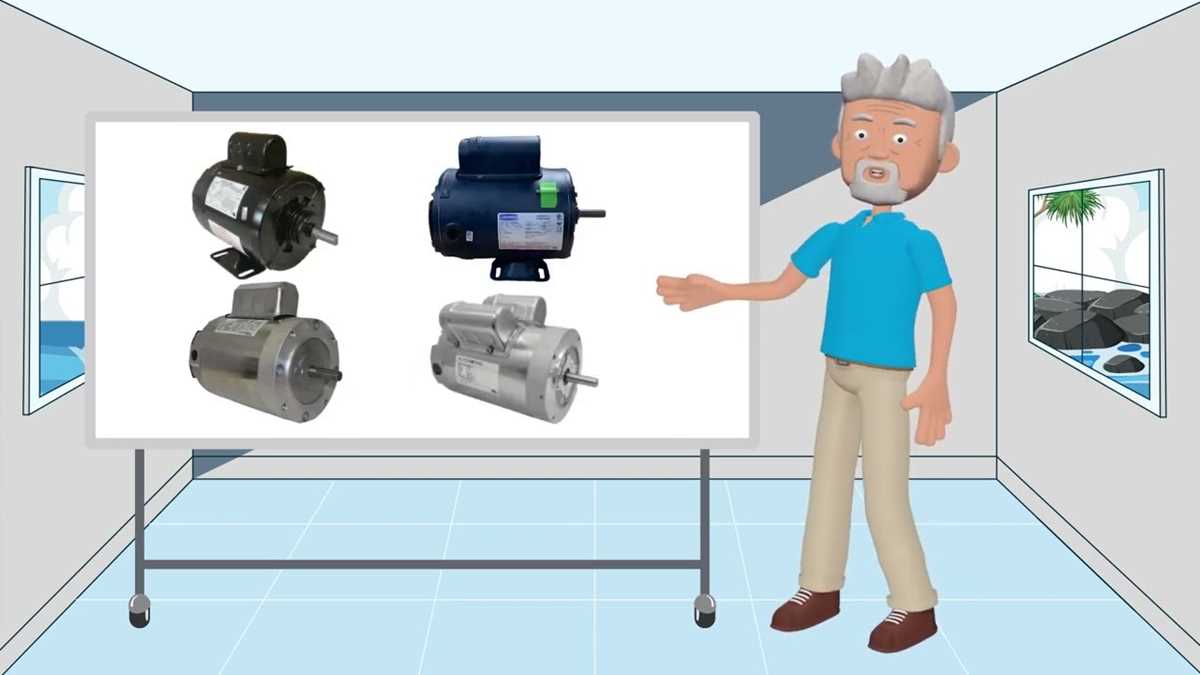
To correctly connect the electrical components, ensure that each connection is secure and insulated. The power source must be routed to the control unit, with proper grounding for safety. This unit will then send power to the other sections, such as the drive mechanism and limit switches. Always check the manufacturer’s specifications to match the voltage and amperage of the system with the components to avoid overloading or damage.
For troubleshooting, first inspect all connections for loose wires or corroded terminals. A multimeter is useful to check for continuity and correct voltage across different parts of the system. If the system isn’t operating as expected, verify the wiring against the provided schematic and make sure the relays and fuses are functioning properly. Identifying faults in this way can save time and prevent unnecessary component replacements.
Step-by-Step Guide to Wiring a Boat Lift Motor
Begin by disconnecting the power supply to avoid any electrical hazards. This is a critical safety step before beginning any work on the system. Ensure that the circuit breaker is off and the system is fully de-energized. Use a voltage tester to confirm there is no active current in the wires before proceeding.
Next, identify the key components in the system: the power source, relay switches, limit switches, and the drive unit. You will need to ensure that the correct wire gauge and power ratings match the specifications of the components you are using. Check the manufacturer’s manual for specific wiring instructions related to voltage and amperage.
Connect the Power Source
The first step in the electrical setup is to connect the power source to the control panel. Run a heavy-duty cable from the breaker panel to the control box. Ensure that the wire gauge can handle the current required for the system. Secure the wires into the terminal blocks, ensuring no exposed wires are left unprotected.
From the control box, connect the relay switch to the power line. The relay switch controls the current flow to the various components, including the motor. This step requires making sure the relay is correctly rated for the voltage and amperage needed by the entire setup. Incorrect relay ratings can cause overheating or system failure.
Connect the Drive Unit
Now, connect the drive unit to the relay switch, ensuring that the wires are securely fastened. Depending on the system, you may need to connect two sets of wires: one for the power supply and one for the ground. Always use insulated terminals to avoid short circuits and ensure proper grounding to protect the system from electrical surges.
Ensure that the limit switches are connected correctly to the motor wiring. Limit switches are used to control the travel range of the lifting mechanism, stopping the system at pre-set positions. These switches must be wired so that they can properly interrupt the current when the unit reaches the set limits.
Once all the connections are made, double-check the wiring for any loose connections or exposed wires. Tighten all terminal screws to ensure a solid connection. Inspect all wiring paths to confirm they are free from pinch points or abrasions that could lead to damage over time.
After verifying all the connections, power on the system and check for correct operation. Test the lifting and lowering functions to make sure the relay and motor are responding as expected. Use a multimeter to verify that the correct voltage is being supplied to the motor and other components.