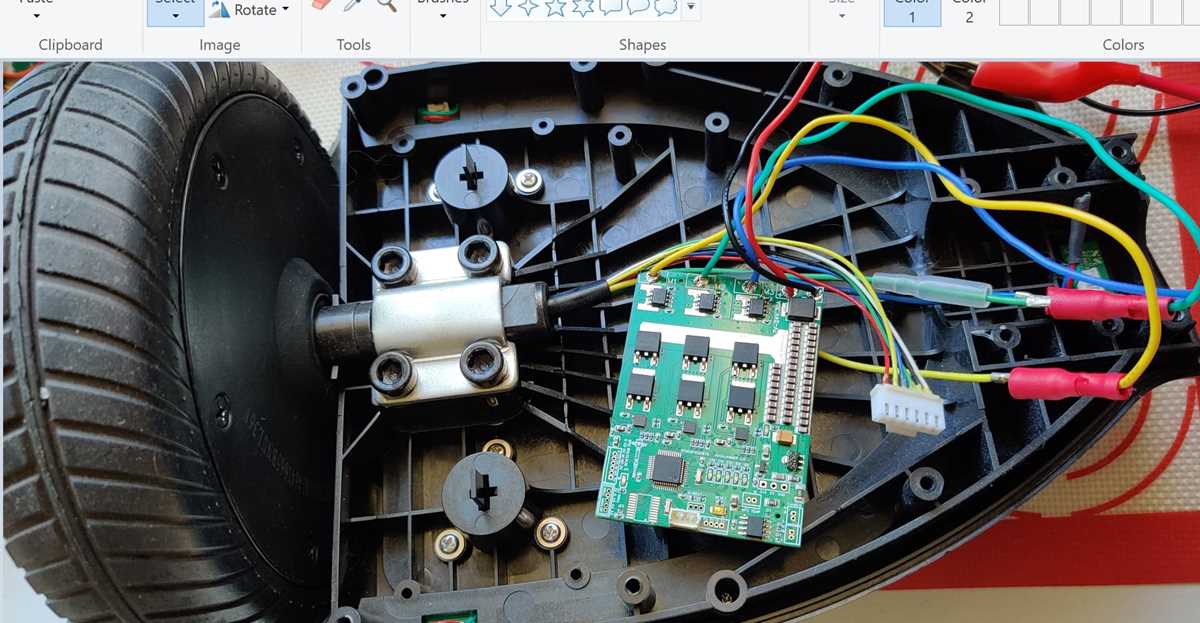
Begin by ensuring all connections are secure and correctly aligned. If you’re experiencing issues with the movement or performance of your personal transport, the problem often lies in the electrical system. Follow a systematic approach to inspect the key components involved. Double-check the connections between the wheels and the central control unit to rule out loose or damaged wires.
Pay close attention to the polarity of the connections. Incorrect polarity can lead to malfunction, so always verify that the positive and negative terminals are properly matched. If your board fails to start or shows inconsistent behavior, this simple check may resolve the issue quickly.
Look for signs of wear or corrosion in the cables. Over time, the conductors can degrade, leading to faulty power transfer. Regularly inspect the wires and terminals for signs of fraying or oxidation, especially in areas where they experience frequent movement or exposure to moisture.
Understanding the color coding of the electrical connectors is also important. Many systems will use a color scheme to indicate function. By familiarizing yourself with these standards, you can troubleshoot more effectively and identify problems faster.
In some cases, faulty components such as the control board or battery may be the root of the issue. If wiring seems intact but the system is still not functioning, consider examining these elements and testing their performance. Replacing a damaged part may be necessary to restore full functionality.
Hoverboard Motor Wiring Setup and Troubleshooting
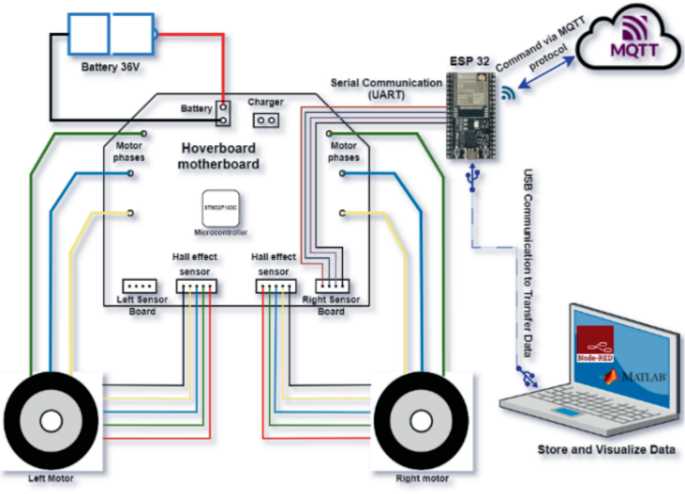
Ensure all connections are tightly secured and aligned properly. If the vehicle fails to operate correctly, the issue often lies with loose or improperly connected cables. Begin by inspecting all cables, especially those leading from the wheels to the control unit. If necessary, use a multimeter to check for continuity and verify that no connections are broken or shorted out.
Inspect the connectors for damage or corrosion. Over time, the connectors can become worn or corroded, especially if exposed to moisture. Examine each terminal for any signs of wear, rust, or dirt. Clean or replace any damaged parts as needed to ensure a solid electrical connection. If the system is still malfunctioning despite the connections appearing intact, test the control unit and battery to ensure both are functioning properly.
How to Connect Hoverboard Motors to the Mainboard
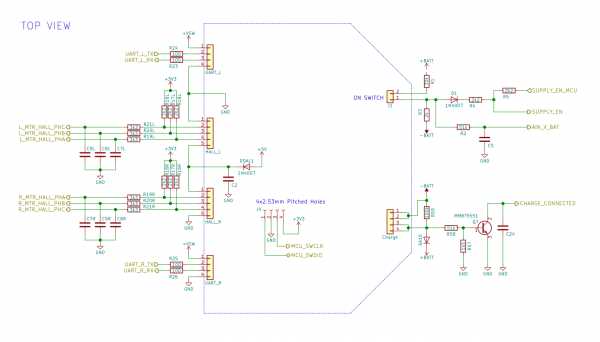
Begin by identifying the correct motor terminals on the mainboard. Typically, these terminals are clearly marked with labels like “left” and “right” or “front” and “rear.” Check the mainboard’s documentation to confirm these markings, ensuring you don’t confuse the connections for the wheels or other components.
Ensure the cables are stripped and properly prepared. If your cables are not pre-stripped, carefully strip about 1/2 inch of insulation off the ends of the cables. This will expose the copper wires needed to make a solid connection. Use a wire stripper to avoid damaging the wire itself.
Align the motor cables with the corresponding terminals. Position each wire from the motors so that it matches the correct terminal on the mainboard. It’s important to check the polarity of each wire to avoid incorrect connections, as this could lead to malfunction or damage.
Insert the wires into the terminals. Once aligned, insert the stripped ends of the wires into their respective terminals. Ensure the wires fit snugly and securely. A loose connection can result in inconsistent performance or even a complete failure of the system.
Use connectors or solder for a permanent connection. If you are using connectors, make sure they are the right type and size to hold the wire securely. For a more permanent solution, solder the wires onto the terminals, ensuring a solid electrical connection that will not come loose over time.
Check for insulation and safety. Once the wires are connected, inspect them for any exposed copper or sharp edges that could cause a short circuit. Use electrical tape to insulate any areas that might pose a risk, and make sure all connections are safely enclosed within the housing of the board.
Test the system. After the connections are secured, power up the system and check if both motors are functioning properly. If there’s an issue, double-check the connections, especially the polarity and secure fitting of the wires in their respective terminals.