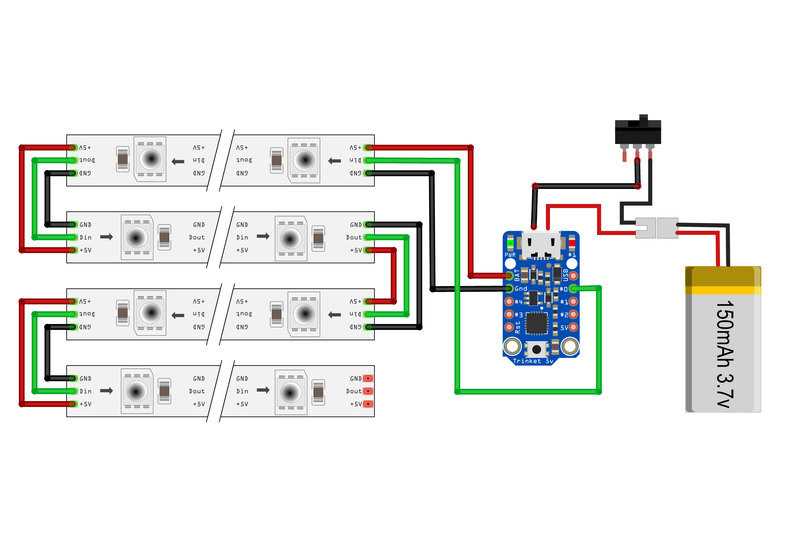
Use a stable 12-volt power source to supply continuous energy to the modular emitters. Confirm voltage with a multimeter before making connections, as fluctuations above 13 volts can damage the integrated diodes.
Route positive and negative leads along existing harnesses to reduce exposure to sharp edges and moving components. Secure connections with insulated terminals rather than tape to maintain conductivity under vibration.
Install inline fuses rated to the module’s current draw to prevent overloads. For example, a 5-amp strip should have a 5-amp fuse placed close to the power supply to protect the entire segment.
Mark each terminal and control line clearly to simplify maintenance and future upgrades. Avoid splicing into thin gauge wires for high-current segments, as voltage drops can cause inconsistent illumination and early failure.
Check continuity and polarity with a multimeter before applying full power. This prevents reverse connections that could destroy LEDs or controllers and ensures the entire layout operates reliably from the first test.
LED Light Strip Circuit Diagram Guide
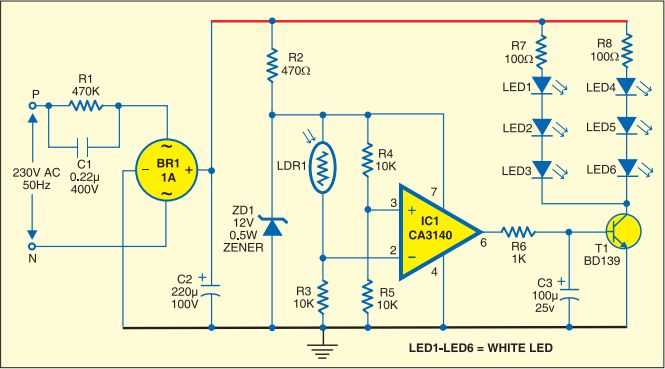
Connect each modular illumination section to a regulated 12-volt supply. Use properly rated fuses for each segment to prevent overloads. For example, a segment drawing 3 amps should have a 3-amp fuse positioned near the power input to safeguard the module.
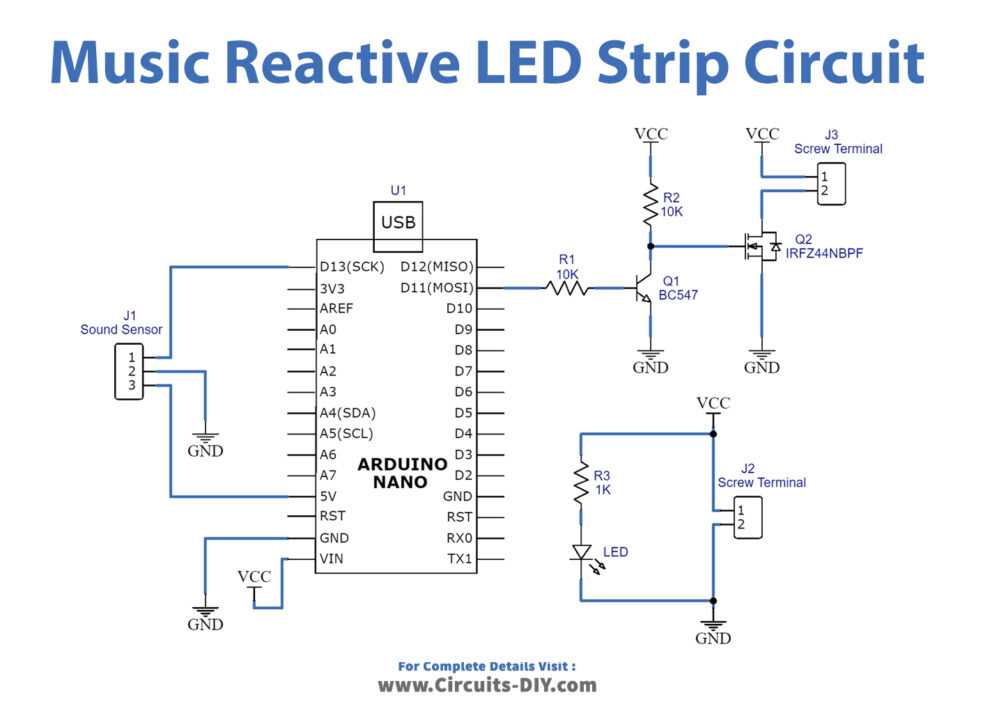
Follow a logical sequence for linking control lines:
- Attach the positive lead from the power source to the first module terminal, confirming polarity with a multimeter.
- Connect the negative return to a solid chassis ground or a dedicated return bus.
- Link signal connectors from the controller to the modular sensors, avoiding contact with high-current pathways.
Test the full assembly before permanent mounting. Inspect each connection for continuity and verify that voltage remains stable across all modules. Label each line for future maintenance and avoid temporary splices or tape-based joins that can degrade under heat and vibration.
Selecting Power Sources and Voltage for LED Strips
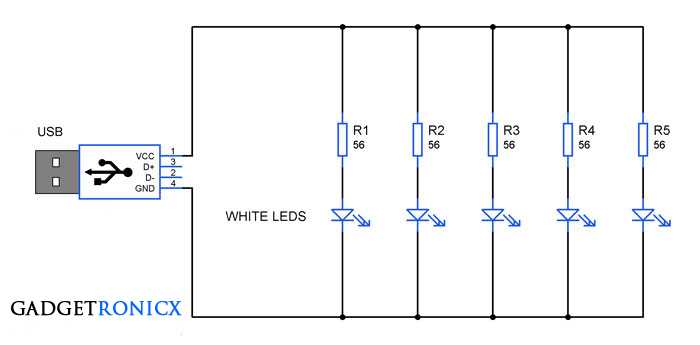
Use a stable DC power supply that matches the module’s voltage rating. Most flexible illumination chains operate at 12 or 24 volts. Verify output with a multimeter before connecting to prevent overvoltage, which can burn out the diodes within seconds.
Calculate the total current draw for all segments to select a power source with sufficient capacity. For example, five modules drawing 0.5 amps each require a supply rated at least 2.5 amps, plus a 20% margin to handle startup surges.
Position the supply close to the start of the assembly to minimize voltage drop across long runs. Use appropriately gauged wires for the length and current, and include inline fuses for each branch to protect the modules and prevent potential short circuits.