Check the terminal chart provided by the manufacturer before connecting any conductors between the indoor air handler and the outdoor condenser. Terminal numbers and conductor colors must match on both units, typically labeled 1, 2, 3, and ground. Terminal 1 usually carries line voltage, terminal 2 acts as neutral or secondary line depending on model, and terminal 3 transfers communication signals between control boards.
Use a dedicated electrical line from the breaker panel to the exterior condenser unit. Many residential systems require a 208–230 volt supply with a double-pole breaker rated between 15 and 30 amps depending on capacity. Copper conductors such as 14/2 or 12/2 with ground are commonly specified for the power feed. The indoor air handler normally receives power and control signals through a multi-core cable routed with the refrigerant line set.
Follow the connection layout printed inside the service panel of each unit. The illustration shows terminal blocks, grounding points, communication lines, and protective components such as fuses or surge suppressors. Matching these elements with the installation chart helps avoid reversed polarity, communication faults, or compressor startup errors. Always secure the grounding conductor to the marked chassis screw before energizing the system.
Keep the communication cable separated from high-voltage supply lines whenever possible. Twisted multi-core cable with insulation rated for outdoor HVAC installations reduces interference between the indoor controller and the exterior compressor module. Correct conductor routing, accurate terminal alignment, and breaker sizing ensure stable operation of the air conditioning system and prevent damage to control electronics.
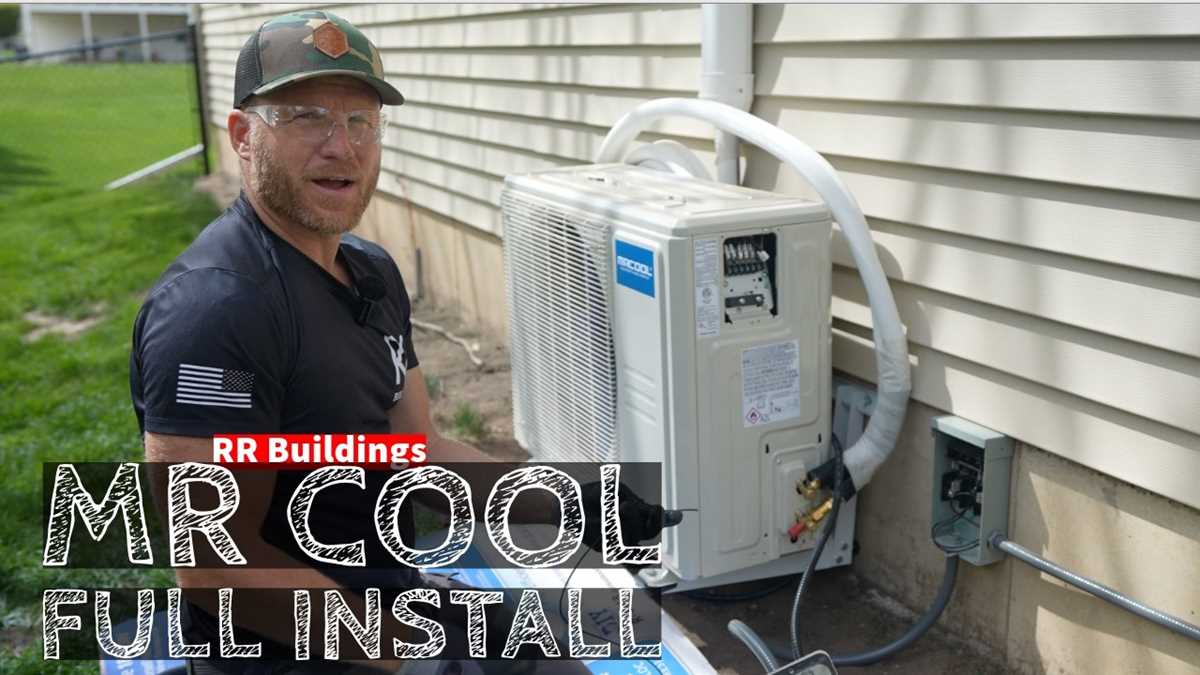
Mr Cool Mini Split Wiring Diagram Indoor Outdoor Unit Connection Layout Guide
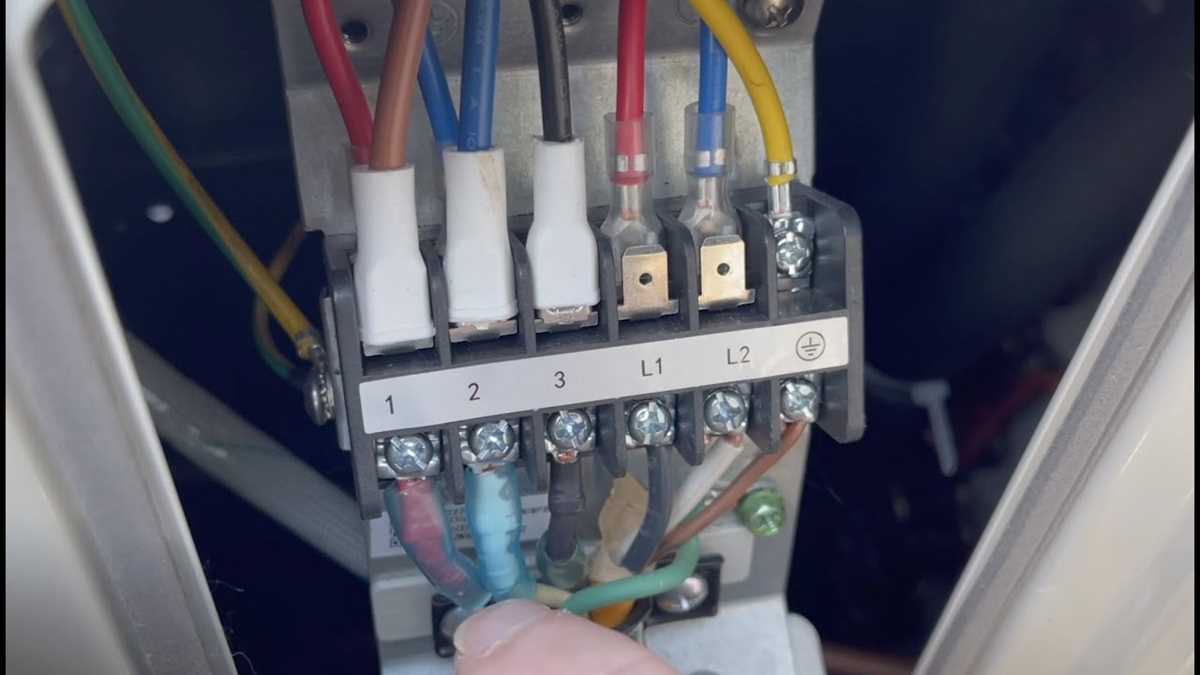
Match terminal numbers between the indoor air handler and the exterior condenser before connecting conductors. Most systems from this brand use a labeled block marked 1 2 3 and ground. Terminal 1 usually carries the live supply from the outdoor unit, terminal 2 serves as the second line or neutral depending on configuration, and terminal 3 transfers control signals between the two control boards.
Route a dedicated electrical feed from the main breaker panel to the outdoor condenser cabinet. Residential installations typically operate on 208–230 volts using a double-pole breaker rated from 15 to 30 amps. Copper cable such as 12/2 with grounding conductor is common for a 24,000 BTU system, while smaller units may allow 14/2. Install a weather-rated disconnect box within sight of the exterior unit to meet electrical safety requirements.
Run a multi-core communication cable through the same wall penetration used for the refrigerant line set. This cable links the indoor control module with the exterior compressor assembly and carries low-voltage signals for fan speed, compressor activation, and temperature feedback.
Secure the grounding conductor to the chassis ground lug on both units. The metal cabinet must connect directly to the equipment grounding path running back to the service panel. A loose ground connection can lead to control board damage or protection faults triggered by leakage current detection.
Check the terminal layout printed inside the service cover before tightening each screw clamp. The printed connection chart shows conductor colors, terminal numbering, and sometimes fuse or sensor locations. Comparing each connection with this layout prevents reversed polarity or communication failure between the indoor air handler and the condenser controller.
Keep the signal cable separated from the high-voltage supply line by several centimeters while routing through conduit or wall cavities. Parallel placement with power conductors can introduce electrical noise that interferes with the communication link between the indoor control panel and the outdoor compressor module.
How to Connect Indoor and Outdoor Unit Terminals in Mr Cool Mini Split Systems
Match terminal numbers on both units before attaching any conductors. The indoor air handler and the exterior condenser use identical numbering so each line connects directly between the same terminals.
Follow the common terminal structure used in many models:
- Terminal 1 – first line from the main power feed
- Terminal 2 – second line or neutral depending on configuration
- Terminal 3 – communication signal between control modules
- Ground – chassis grounding point connected to the equipment grounding conductor
Route a four-conductor cable between the indoor air handler and the exterior condenser cabinet through the same opening used for refrigerant lines. Strip about 6–8 mm of insulation from each conductor, insert the copper end fully into the terminal block, and tighten the screw clamp firmly to prevent vibration loosening during compressor operation.
Verify conductor placement using the connection chart printed inside the service cover. Typical color alignment may appear as:
- Black conductor → terminal 1
- White conductor → terminal 2
- Red or yellow conductor → terminal 3
- Green or bare copper → ground lug on chassis
Check continuity and terminal stability before restoring power at the breaker panel. Loose connections can interrupt communication between the indoor controller and the outdoor compressor assembly, which may trigger error codes, fan startup failure, or compressor protection shutdown.