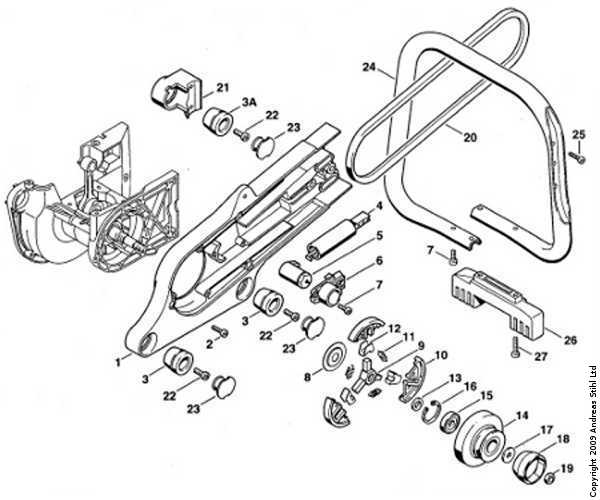
Before attempting any repairs, familiarize yourself with the core assemblies of the machine. The engine and fuel system are central, often requiring the most attention. Identifying the locations of the cylinder head, carburetor, and fuel lines will speed up diagnostics and repairs.
Pay attention to the drive system, including the clutch and sprocket. These parts undergo wear and should be checked regularly for signs of damage or slippage. The layout will help you identify how each part interacts with others, simplifying the replacement process.
Lastly, check the safety features like the throttle trigger and chain brake. Ensuring these components are intact is critical for safe operation. The guide will assist in understanding the assembly so that each piece can be replaced with minimal disruption to the machine’s overall performance.
Chainsaw Assembly Breakdown
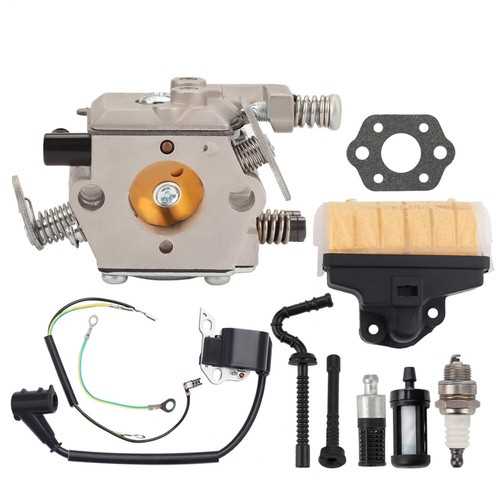
To begin, focus on the engine assembly, which includes the cylinder, piston, and exhaust system. Regularly check these components for wear and ensure there are no blockages in the exhaust pipe.
Next, examine the ignition system. The spark plug and ignition coil are critical for engine start-up. If you experience starting issues, these parts should be your first point of inspection. A damaged spark plug can cause poor performance or complete failure to start.
Don’t forget to inspect the drive system. The chain, bar, and sprocket work together to ensure smooth cutting. Over time, the chain may stretch or become dull, while the sprocket and bar may wear down. Regular replacement and maintenance of these parts are vital for safe and efficient cutting.
Finally, check the air filter and fuel lines. A clogged air filter can restrict airflow, affecting engine performance. Ensure the fuel lines are intact to avoid leaks that could cause stalling or unsafe operating conditions.
How to Identify and Replace Key Components in the Chainsaw
Start by inspecting the ignition system. If the engine is failing to start, check the spark plug and ignition coil. Remove the spark plug using a wrench, and inspect it for carbon buildup or damage. Replace if necessary, ensuring the new one is correctly gapped. For the ignition coil, disconnect the wires and carefully remove any mounting screws before replacing it.
The next step is to inspect the chain and bar. If the chain is dull or damaged, replace it by first loosening the tensioning nuts, then sliding the old chain off the guide bar. Place the new chain, ensuring proper alignment, and adjust the tension to the manufacturer’s specifications.
Check the fuel system components, including the fuel filter and lines. Over time, the fuel filter can become clogged, causing poor engine performance. Replace the filter by removing the fuel tank cap, disconnecting the fuel line, and removing the old filter. Install a new filter and reattach the fuel line securely.
Lastly, inspect the air filter for dirt or damage. A clogged filter can hinder airflow, reducing engine efficiency. Simply remove the cover, take out the filter, and clean it with compressed air or replace it if it’s too dirty. Reassemble all parts, ensuring everything is securely fastened before testing the equipment.
Step-by-Step Process for Repairing the Chainsaw Using the Layout
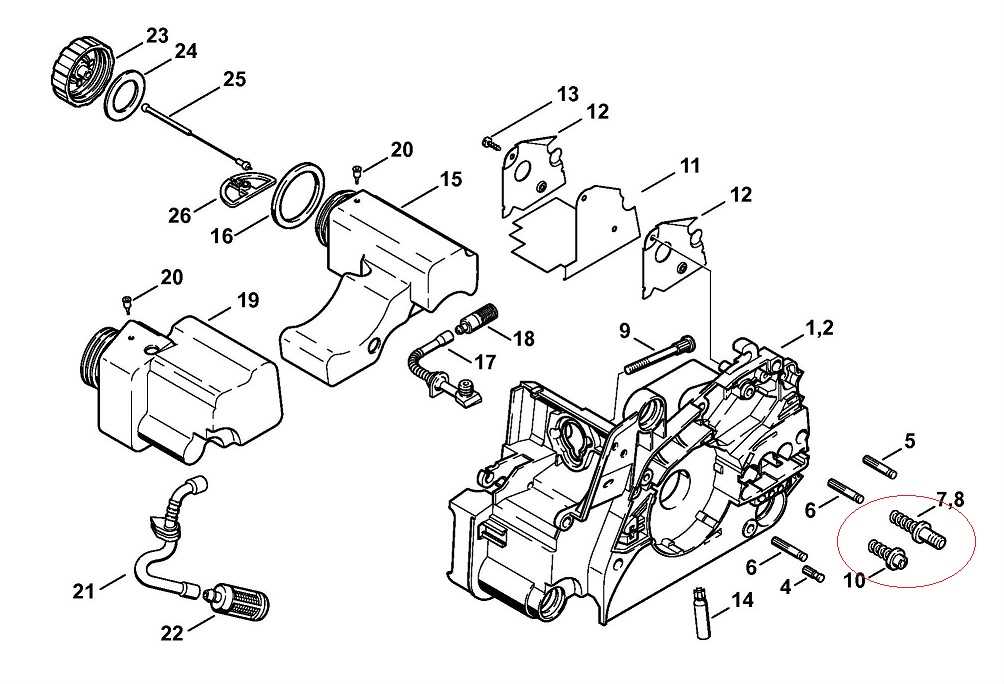
Begin by turning off the engine and disconnecting the spark plug to prevent accidental starts. Locate the damaged component in the layout, such as the ignition coil or fuel lines, and carefully identify the necessary tools for removal.
Start with the ignition system. If replacing the ignition coil, disconnect the wiring harness and remove the mounting screws. Install the new coil by securing it in place and reconnecting the wires. Double-check for tight connections to ensure proper function.
Next, focus on the cutting mechanism. Loosen the nuts holding the guide bar and chain in place, then remove the old chain and bar. Replace with the new chain, ensuring it is properly tensioned and aligned with the sprocket. Tighten the guide bar nuts securely.
Move on to the fuel system. If replacing the fuel filter, remove the fuel tank cap and disconnect the fuel line. Take out the old filter and insert the new one. Ensure the fuel line is securely reattached and there are no leaks before reassembling the tank.
Finally, check the air filter for any buildup of dirt or debris. If it’s clogged, replace it with a new one. Reassemble the components, ensuring each part is properly secured. After the repair, start the engine to verify everything is functioning correctly.