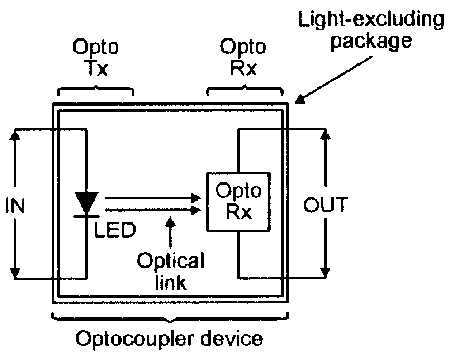
Start by choosing the right components for isolating high-voltage circuits from sensitive low-voltage components. A light-emitting diode (LED) and a phototransistor are typically used in these setups. The LED is used to transmit the signal optically, while the phototransistor receives the signal on the output side, ensuring that electrical isolation is maintained between the two parts of the circuit.
Next, connect the LED to the input signal and the phototransistor to the output section. The input signal should pass through the LED, and the transistor’s collector-emitter path should be connected to the load, such as a microcontroller or other sensitive electronics. Proper resistor values for the LED are crucial, as they control the current flowing through the LED to prevent burnout while providing enough current to activate the phototransistor.
When building the system, ensure that the phototransistor’s gain is high enough to maintain signal integrity, even when isolated from the input. If the circuit requires more power or speed, consider using a photodiode or a higher-speed phototransistor. Always test the isolation performance after assembly to confirm that there’s no electrical path between the two sides, which could lead to damage or malfunctioning components.
Opto Isolator Circuit Design and Applications
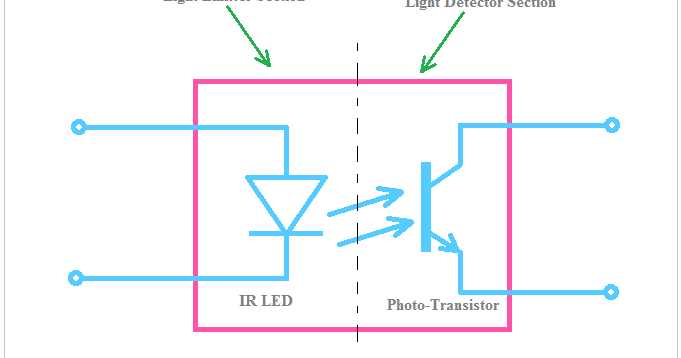
Start by selecting the right components for the electrical separation you need. A light-emitting diode (LED) and a phototransistor or photodiode are the key elements in ensuring signal transmission without direct electrical contact. The LED will emit light when powered, which the phototransistor will detect on the other side, allowing the signal to pass through without creating an electrical link between the input and output. Make sure to choose an LED with appropriate forward voltage and current ratings to ensure longevity and reliability.
The next step is to connect the LED to the signal input and the phototransistor to the output load. The LED will typically be connected in series with a current-limiting resistor to control the current flow. Ensure the value of the resistor is chosen based on the LED’s specifications to prevent it from burning out. The phototransistor should be connected to the output load, with its collector and emitter terminals forming the output path.
For accurate signal transmission, consider the response time of the phototransistor. In fast-switching applications, such as communication systems or microcontroller interfacing, choose a high-speed phototransistor that can handle fast transitions without distortion. Also, ensure the phototransistor’s gain is suitable for amplifying the signal while maintaining the desired voltage levels at the output.
In some designs, the output may need to drive a higher current load. In such cases, add a transistor or MOSFET to the output side to amplify the signal. This will ensure that the isolated signal can drive higher current without overloading the phototransistor. The addition of a switching transistor or MOSFET will allow the system to control heavier loads, such as motors or relays.
For practical applications, this type of design is commonly used in controlling sensitive electronics in industrial automation, medical equipment, and communication systems. It provides protection by isolating the control circuit from high voltages or noisy environments, ensuring that sensitive components are not damaged by electrical surges or fluctuations. The design is especially useful in environments where electrical noise might affect system performance, such as in power supplies or data acquisition systems.
Finally, always test the setup for isolation and proper signal transmission before deployment. Use a multimeter or oscilloscope to verify that the signal is being correctly passed through without leakage or short circuits. Perform these tests under different operational conditions to ensure the system operates as expected and that no electrical interference occurs between the isolated sections of the system.
How to Build an Opto Isolator Circuit for Signal Isolation
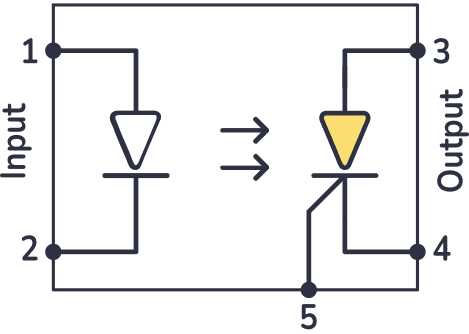
Begin by selecting a light-emitting diode (LED) suitable for the signal input. Attach it to the input signal line with a current-limiting resistor in series to control the current. Choose the resistor value based on the LED’s forward voltage and the supply voltage to avoid overloading the LED. This will help to maintain proper signal flow while ensuring the LED operates safely within its rating.
Setting Up the Light Detection Stage
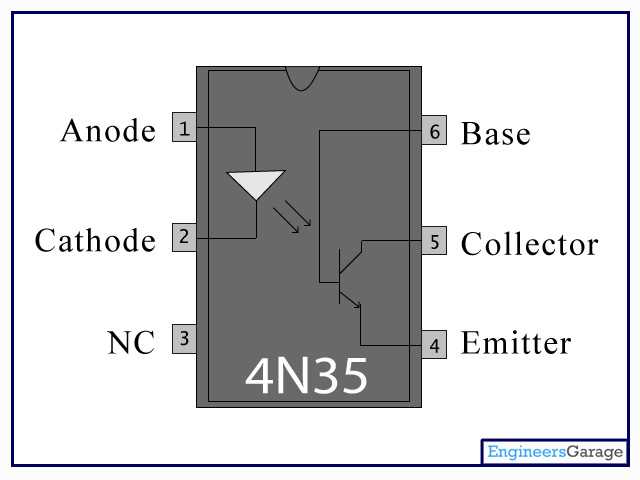
On the output side, connect a phototransistor or photodiode. Place the phototransistor in a common-emitter configuration, where its collector is linked to the power supply and the emitter connects to the output load. This will allow the light emitted from the LED to trigger the phototransistor, enabling current to flow through the output circuit. Ensure that the phototransistor’s specifications are suitable for the required signal strength and that it can handle the operating frequency.
Verifying Isolation and Performance
After completing the connections, power on the system and measure the output. Use a multimeter to confirm that there is no electrical connection between the input and output sides, verifying that isolation is intact. If the output signal is present and behaves as expected, the system is functioning correctly. Test under different operating conditions to ensure the setup remains stable and efficient in various environments.