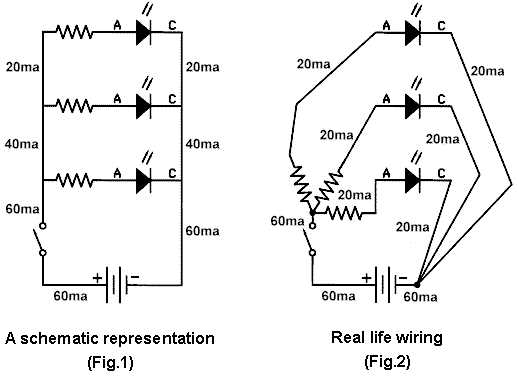
Ensure correct polarity by connecting the anode to the positive rail and the cathode to the negative. Using a current-limiting resistor rated at 330–470 ohms prevents overheating and prolongs component life.
Mark each conductor with its voltage designation to avoid confusion when integrating multiple units into a single setup. Red leads typically indicate positive terminals, while black or blue denote negative.
When combining several lights in series, calculate the total forward voltage and adjust the supply accordingly. Exceeding recommended voltage can cause rapid failure, while too low a voltage may prevent illumination.
Test each connection with a multimeter before powering the full assembly. Check for continuity and correct polarity to detect loose contacts or reversed leads, reducing the risk of short circuits and component damage.
LED Connection Layout and Color Coding Guide
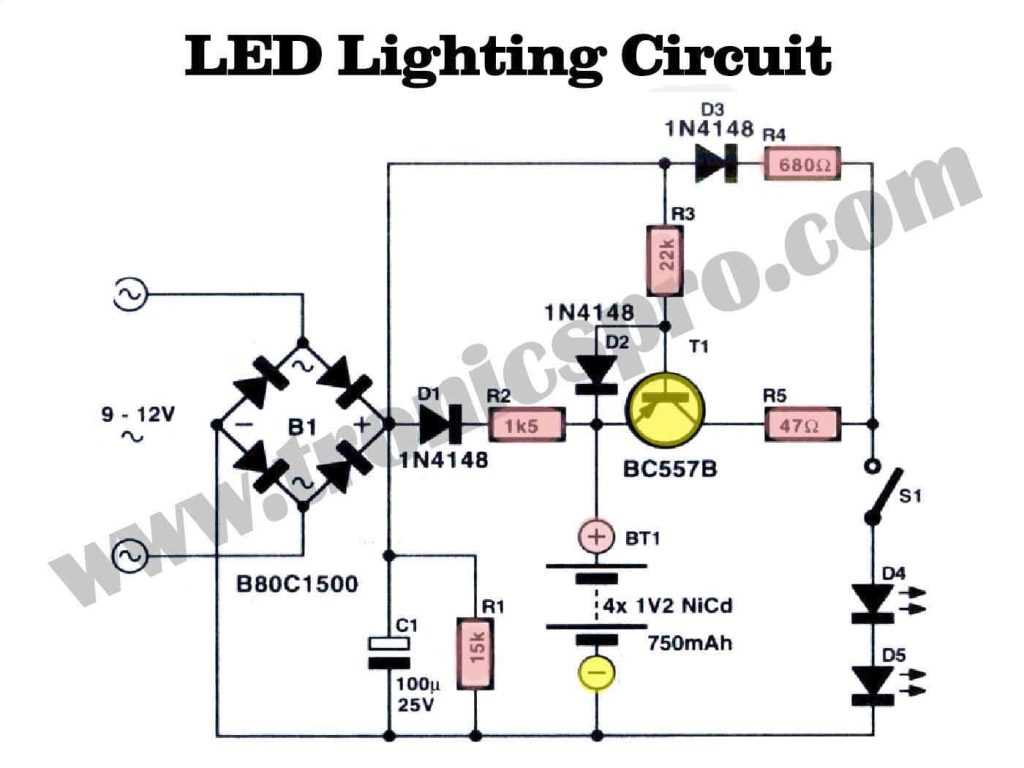
Connect the anode of each small illumination component to the positive rail and the cathode to the negative. Red insulation indicates positive leads, while black or blue marks the negative path. Always include a resistor between the supply and the positive terminal to limit current, with recommended values ranging from 220 to 470 ohms depending on supply voltage and forward voltage of the component.
For assemblies with multiple units, use consistent color coding for each lead to prevent confusion during installation and troubleshooting.
- Positive supply: red
- Negative return: black or blue
- Signal or dimming: green or yellow
Verify each connection with a multimeter before energizing, checking continuity and polarity to avoid reverse current that can permanently damage the elements.
Identifying LED Terminals and Polarity for Correct Installation
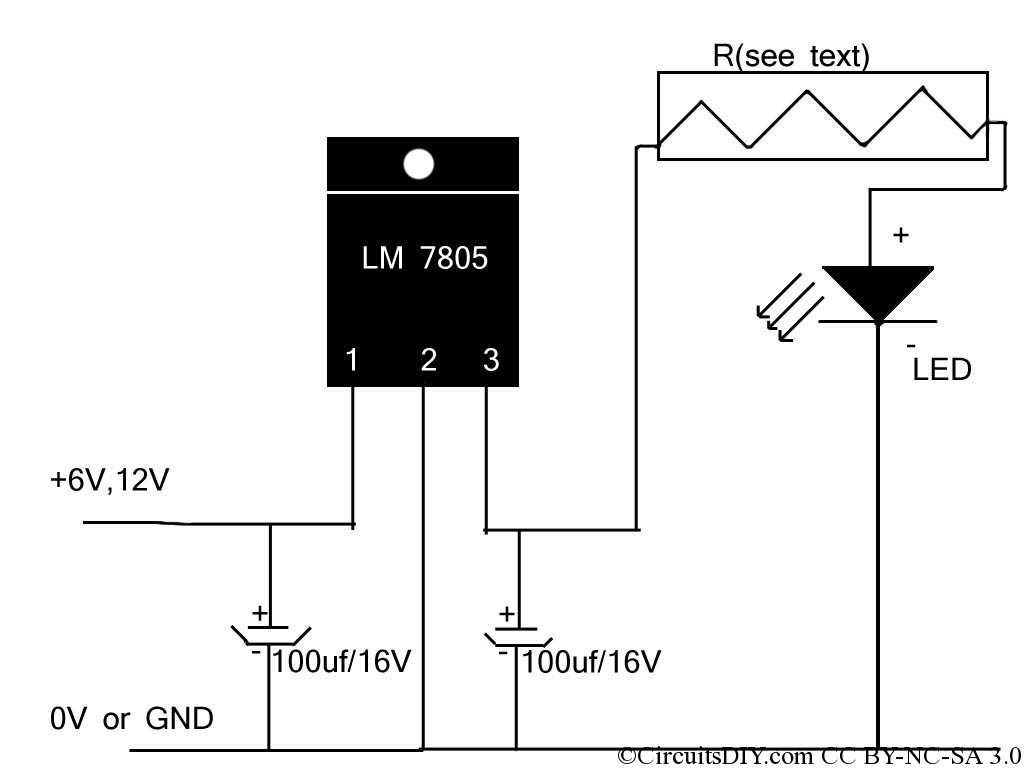
Always connect the longer lead of each illumination element to the positive voltage source and the shorter lead to the ground. Observe the flat edge on the casing or the notch on the rim, which indicates the negative terminal. Use a multimeter in diode mode to confirm polarity before applying power, as reversing the connection can prevent operation or damage the component permanently.
For assemblies with multiple units, maintain consistent polarity markings to simplify future maintenance.
- Mark positive rails with red tape or paint
- Mark negative rails with black or blue indicators
- Test continuity between leads to verify correct orientation
Following this practice reduces installation errors and ensures that all units illuminate as intended under the applied voltage.