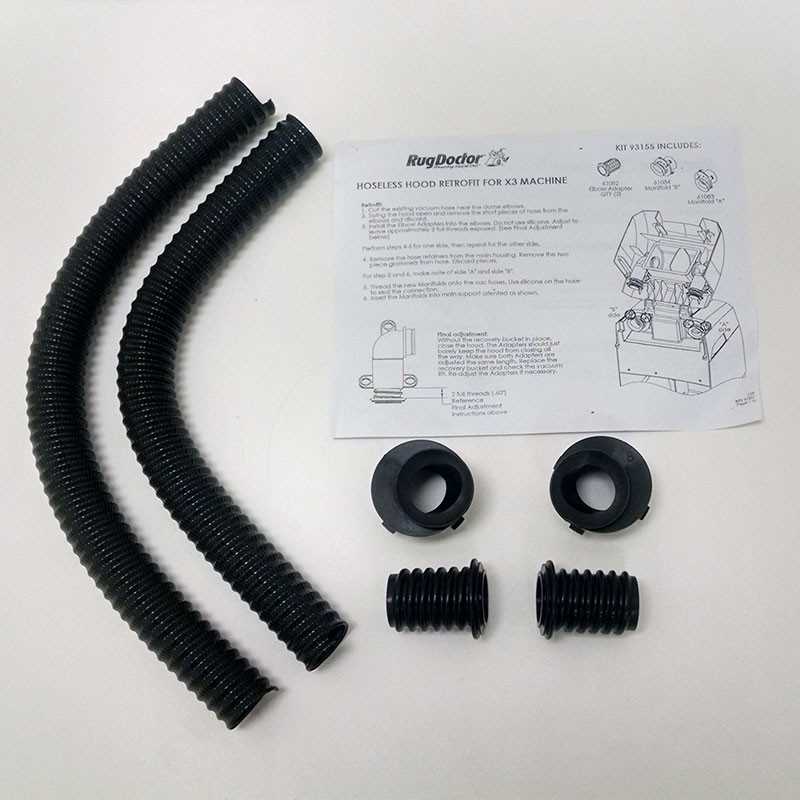
Use the internal layout first to trace water flow and suction paths before opening the housing. This helps locate blockages, leaks, or spray loss without removing unrelated sections.
The layout shows how the solution tank connects to the spray nozzles, how brushes mount to the drive shaft, and where recovery lines lead to the waste container. Seeing these connections makes it easier to link symptoms like weak spray or poor pickup to a specific area.
Accurate visual matching supports correct selection of hoses, valves, belts, and fasteners during service. Comparing the layout to the actual machine reduces the risk of ordering mismatched items.
This reference is especially useful during routine cleaning, seal replacement, or brush drive work, where understanding internal relationships saves time and avoids repeat disassembly.
Maintenance Reference Layout for Carpet Cleaning Machine Identification
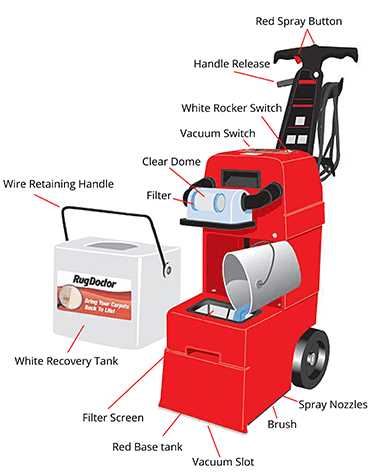
Check the service layout first to pinpoint the assembly linked to the issue before removing screws or panels. This narrows the search to the correct spray circuit, brush drive, or recovery channel.
The reference shows how the solution reservoir feeds valves and jets, how rotating scrub heads connect to the motor shaft, and how suction lines route debris to the waste tank. Following these paths helps diagnose low spray pressure, uneven agitation, or weak pickup.
Use labeled callouts to verify component names during inspection and ordering. Matching shapes, mounting points, and hose diameters reduces errors during replacement.
During routine upkeep, the layout supports planned disassembly by showing which fasteners release each module, helping avoid damage to seals, clips, and wiring.
Identifying Internal Hoses Brushes and Spray Systems Using the Layout
Trace each fluid line from the solution tank to the spray jets using the layout before disconnecting clamps. This helps isolate kinks, scale buildup, or leaks without dismantling the full housing.
Brush assemblies are shown in relation to the drive shaft and belt path. Use this view to confirm bristle orientation, hub fit, and bearing placement when diagnosing uneven scrubbing or noise.
Spray circuits are marked with nozzle positions and feed lines. Comparing these markers with actual outlet locations helps identify blocked jets or misaligned mounts.
During cleaning or replacement, the layout guides correct routing of hoses and wiring, preventing pinched lines and ensuring consistent spray coverage.
Matching Reference Callouts to Replacement Components During Repair
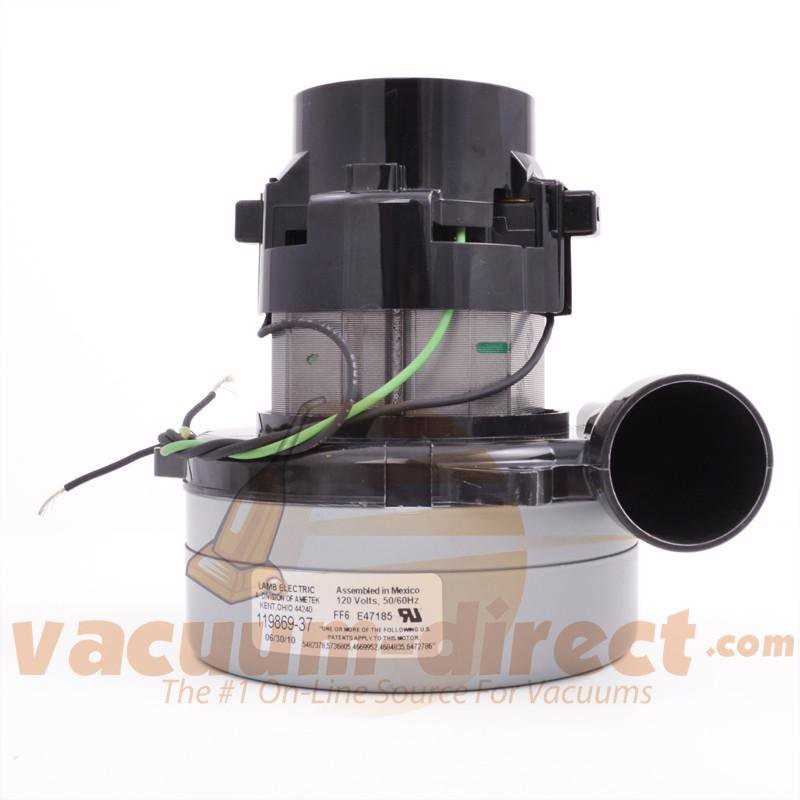
Verify the callout number at the exact mounting location before ordering to avoid selecting a similar-looking item with different fit. Match the reference to the physical position, not just the shape.
Compare the full identifier string, including suffix letters, against the service list. Small revisions can change hose diameter, valve thread pitch, or brush hub depth.
Check dimensions shown near the callout such as length, bend radius, and port angle. Measure the worn item to confirm alignment with the illustrated profile.
Confirm orientation markers like arrows or leader lines during installation. These cues indicate flow direction and seating order, helping prevent leaks and uneven spray after reassembly.
Recheck the fitted item against the layout before closing the housing to ensure fasteners, clips, and routes match the reference exactly.