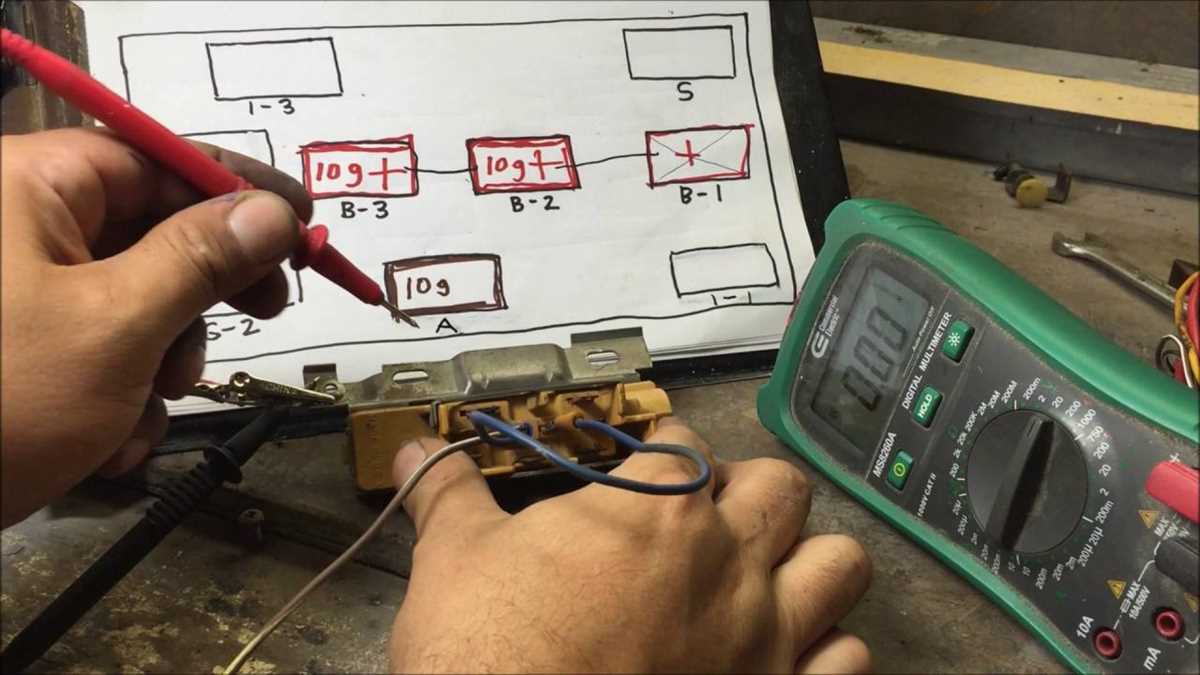
For accurate power routing on GM models, identify the main feed from the battery directly to the starter relay. Use a multimeter to trace the 12V line through the primary contact points, noting the terminals that remain live during accessory mode. Label each connector to avoid confusion during reassembly.
Ground paths should be verified at the chassis mounting points, as loose connections can cause intermittent engine engagement issues. Inspect the harness for corrosion or frayed insulation, particularly near the steering column and firewall passages. Replace any brittle connectors to maintain reliable current flow.
When modifying or replacing the cylinder assembly, map the trigger lines to ensure the solenoid receives uninterrupted voltage. Pay attention to the run/start circuit separation; improper cross-connections can result in starter lockout or continuous power draw. Use colored tape or tags to distinguish each line during the process.
Always double-check the routing against the specific GM model year, as minor changes in terminal arrangement can affect sensor and accessory circuits. Follow the factory pinout for hybrid systems or models with integrated security modules, ensuring that the auxiliary outputs for lighting and electronics are not overloaded.
GM Ignition Control Assembly: Practical Guide for Diagnosis and Installation
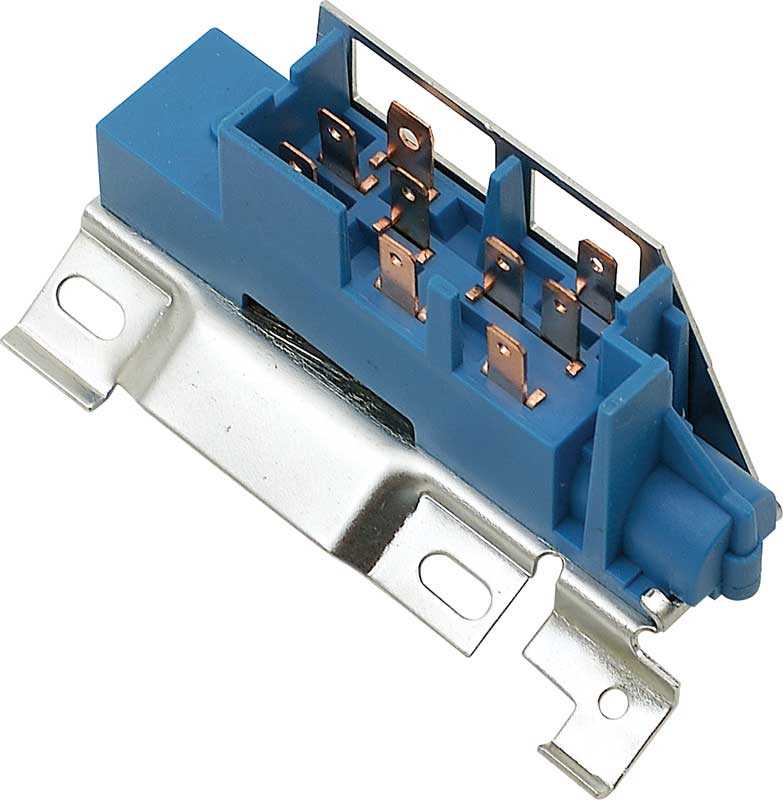
Check for continuity between the battery terminal and the starter relay terminal before removing the control module; a multimeter set to Ohms provides precise readings and helps locate open circuits.
Trace the colored leads connecting the module to the accessory power points. Red typically carries constant 12V, while pink or yellow lines feed the accessory relay and fuel system trigger.
When replacing the module, align the mounting pins with the factory slots to prevent bending the connector pins and creating intermittent contact problems.
Use a test light to verify that the ignition coil receives voltage as you turn the key. Absence of light indicates a fault in the internal contacts or a blown fusible link on the primary feed line.
Inspect the connector terminals for corrosion or burn marks. Clean with contact cleaner and a small wire brush to restore reliable conduction between the module and harness.
On models with integrated security circuits, bypassing the immobilizer requires careful routing of the pink/white wire to the fuse box, ensuring the engine management ECU receives the correct start signal.
Torque the retaining screws to factory specifications, usually 2.5–3.0 Nm, to avoid cracking the plastic housing and maintain consistent contact pressure on all terminals.
After installation, rotate the key through all positions while monitoring voltage at the starter relay and fuel pump. Confirm that all accessory circuits energize before attempting engine cranking.
How to Identify Each Wire in a GM Ignition System by Color and Terminal Function
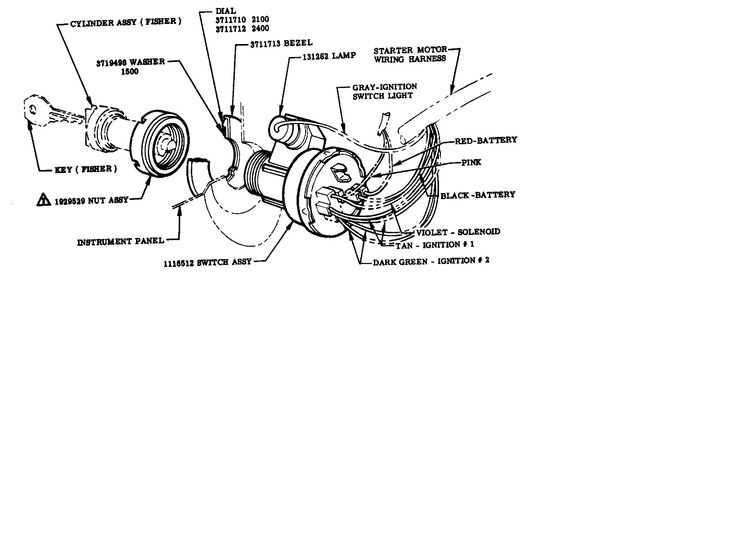
Trace the red wire first–it carries constant battery voltage and connects directly to the main power terminal. This line often branches to the fuse panel and provides energy to all primary circuits.
Green and yellow-green wires lead to accessory circuits. The green line usually powers radio, dash lights, and climate controls, while yellow-green routes to auxiliary modules such as power windows or seats.
Blue wires control signal pathways to the starter relay. Confirm the terminal label before testing with a multimeter; these lines only carry current when the key lever is rotated to the crank position.
Black wires with white stripes are ground connections. They return current to the chassis and engine block, completing each loop. Check continuity by probing between the wire and metal body points.
Orange or pink lines typically link to ignition coils and fuel modules. Identify these by matching the connector numbers printed on the terminal block and verify voltage under load to avoid misconnection.
- White wires often route to lighting circuits and instrumentation gauges.
- Purple lines frequently serve as switched power for relays or sensors.
- Brown wires usually feed low-current modules like horn or wipers.
Always label each terminal according to its color and function before disconnecting. Using both the schematic and physical inspection ensures each lead returns to its exact socket, preventing misfires or electrical shorts.