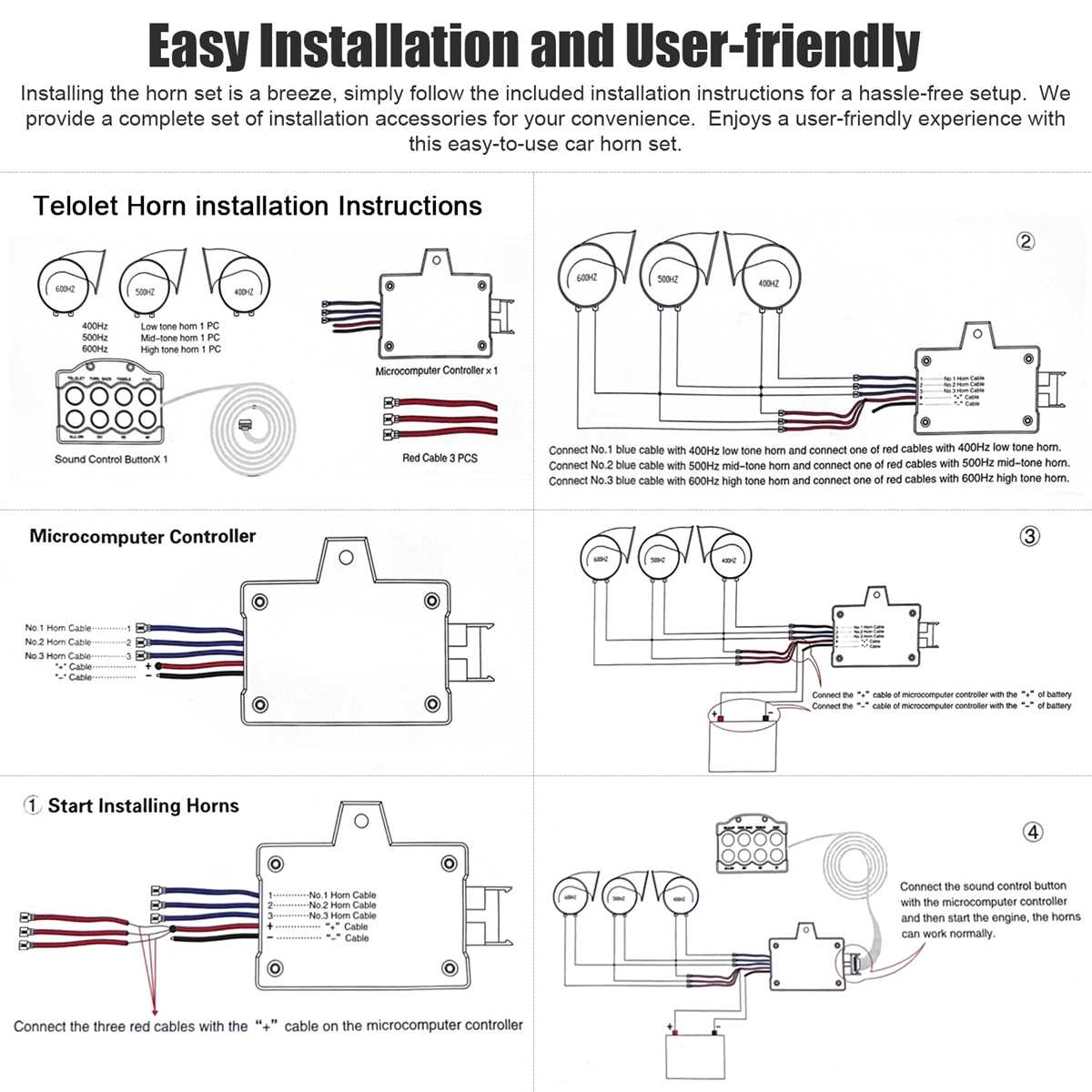
Begin by selecting the correct relay for your vehicle’s alert system. A 12V relay is typically used for most setups. The relay ensures that the system works without overloading the electrical components of the vehicle.
Once the relay is in place, the next step is to connect the positive terminal of the power source to the input terminal of the relay. Ensure that the wires are thick enough to carry the current without heating up. Poorly connected or thin wires can cause overheating or electrical failure.
Connect the output terminal of the relay to the device’s power input, and make sure the ground terminal is connected securely to the vehicle’s frame. Using a multimeter, test the circuit to ensure the power flow is stable and that the relay activates properly when the switch is pressed.
If you notice any irregularities, such as intermittent power or no response when the switch is activated, double-check the relay connection. Faulty connections or damaged wires can lead to system malfunction.
As a final step, ensure that all components are properly fused. Installing the appropriate fuse will protect the system from electrical surges, ensuring both the alert system and the vehicle’s electrical components remain safe from damage.
Automotive Horn Wiring Guide
Start by selecting a 12V power source to operate your alert system. This is the most common voltage requirement for most vehicle setups, ensuring compatibility and stability for your electrical system.
Next, connect the positive terminal of the power supply to the power input terminal of the switch. The switch will control the flow of electricity to the alert system. Ensure the wires used are rated for the current to avoid overheating or short circuits.
The ground connection is equally important. Attach the ground wire from the alert system to a clean metal surface on the vehicle’s frame. This will ensure a proper return path for the current, minimizing electrical issues.
Once the switch and ground are connected, focus on the relay. A relay acts as an intermediary between the power source and the alert device. Connect the relay to the switch output to control the high current flow to the system when activated.
Install a fuse between the power source and the relay to protect the electrical system from excessive current. Choose a fuse with the correct amperage rating to avoid damage while ensuring the system operates safely.
After all connections are made, test the system. Ensure that the alert device responds properly when the switch is activated. Use a multimeter to check for proper voltage and current flow at each terminal.
If the system doesn’t activate as expected, check the relay connections, fuses, and wire integrity. A loose connection or damaged wire can prevent the alert device from functioning properly.
Regularly maintain and inspect the system to ensure its continued operation. Check for corrosion, loose connections, and signs of wear on the cables. Proper upkeep will extend the life of the alert system and ensure safety on the road.
How to Connect the Horn to the Power Source
Start by identifying the power source, typically the vehicle’s 12V electrical system. Ensure the fuse and relay match the power requirements of the alert system to avoid potential damage or malfunction.
Connect a wire from the positive terminal of the power source to the switch. The switch will regulate the flow of current to the alert system. Ensure that the wire is thick enough to handle the current without overheating.
From the switch, run a wire to the input terminal of the alert system. This wire will carry the current to activate the system when the switch is engaged. Secure the connection with the correct terminals and avoid any loose or exposed wiring.
Finally, ground the alert system by attaching the negative terminal to a clean, metal part of the vehicle’s frame. This will create a return path for the current, ensuring the system operates correctly and safely.