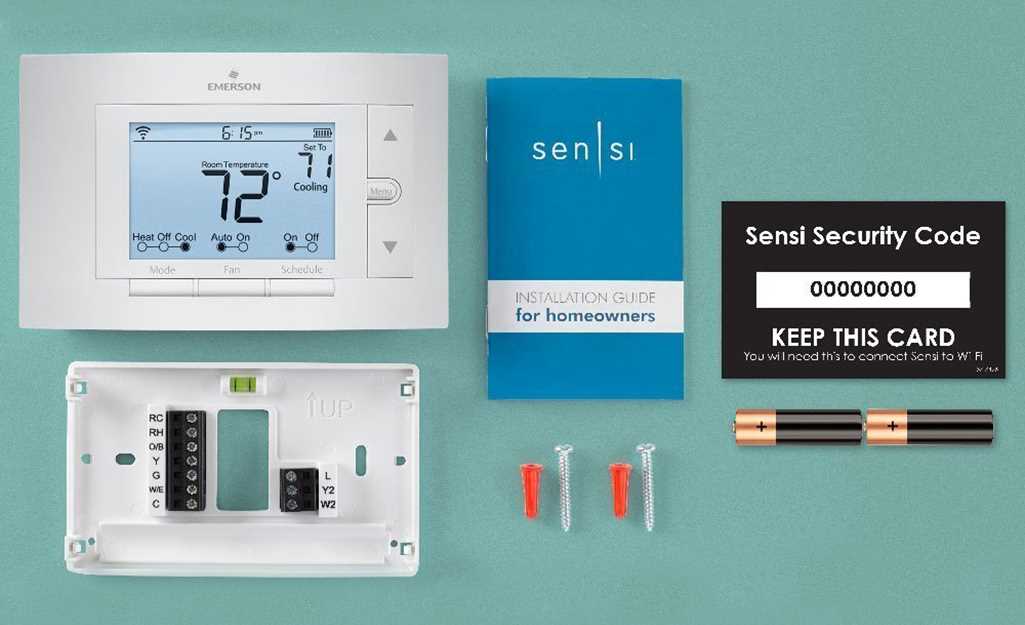
To ensure proper functionality of your heating system, correct connections must be made between the control unit and the heating equipment. The process involves connecting specific terminals on both sides to regulate temperature effectively. Start by identifying the common wire, often labeled as ‘C,’ which provides continuous power for the system. This connection is crucial to avoid issues like thermostat resets or erratic behavior.
Next, pay close attention to the signal and power lines–often marked as ‘W’ and ‘R’ respectively. The ‘W’ wire is responsible for sending the heating signal, activating the system when the desired temperature is reached. The ‘R’ wire, on the other hand, supplies power to the unit. These connections need to be secure to ensure that the system operates at optimal levels without any interruptions.
Finally, check for any potential wiring errors that could prevent your system from working as intended. Inconsistent connections can lead to thermostat failures, where the system may not respond to temperature adjustments or fail to trigger the heating mechanism. Use a multimeter to test the connections before finalizing the setup, ensuring everything is wired according to the specifications.
Wiring a Furnace Thermostat
To begin, ensure you have the correct power sources available for the system. Check the voltage rating of your control unit to avoid any mismatched connections that could cause damage or failure. Use a voltmeter to verify the power supply before making any connections.
The first critical step is to connect the common wire (often labeled ‘C’) to the control unit. This wire provides the continuous power required for the system to function. Without it, the unit may not work correctly, or could shut down intermittently.
Next, connect the heating signal wire, typically marked ‘W’. This wire transmits a signal to activate the heating system once the temperature is set below the desired threshold. Ensure this connection is secure and correctly oriented to avoid incorrect system behavior.
The ‘R’ wire is another essential component, providing power from the transformer to the control unit. It’s important to make sure this wire is connected to the proper terminal on both sides to guarantee that the control unit receives the necessary energy to operate.
If your system requires cooling functions as well, make sure to install the ‘Y’ wire. This wire activates the cooling system when the temperature rises above the set value. It is crucial that this wire be correctly installed to allow for the proper cycling of both heating and cooling modes.
Double-check all wire labels and connections before finalizing the setup. Incorrectly connected wires, especially the common or power wires, could lead to malfunctioning or failure of the system. It’s also a good idea to test all connections using a multimeter before powering up the unit.
Finally, ensure that all wires are securely mounted and insulated. Any exposed wires can lead to shorts or damage to the system. Use wire clips or a junction box to keep everything neatly in place, away from any moving parts or potential sources of interference.
Once all connections are complete, test the system by adjusting the temperature settings and observing the system’s response. Ensure that the control unit activates the heating or cooling unit at the appropriate temperatures. If any issues arise, recheck the connections for any loose or improper fittings.
Understanding the Wiring Components of a Furnace Thermostat
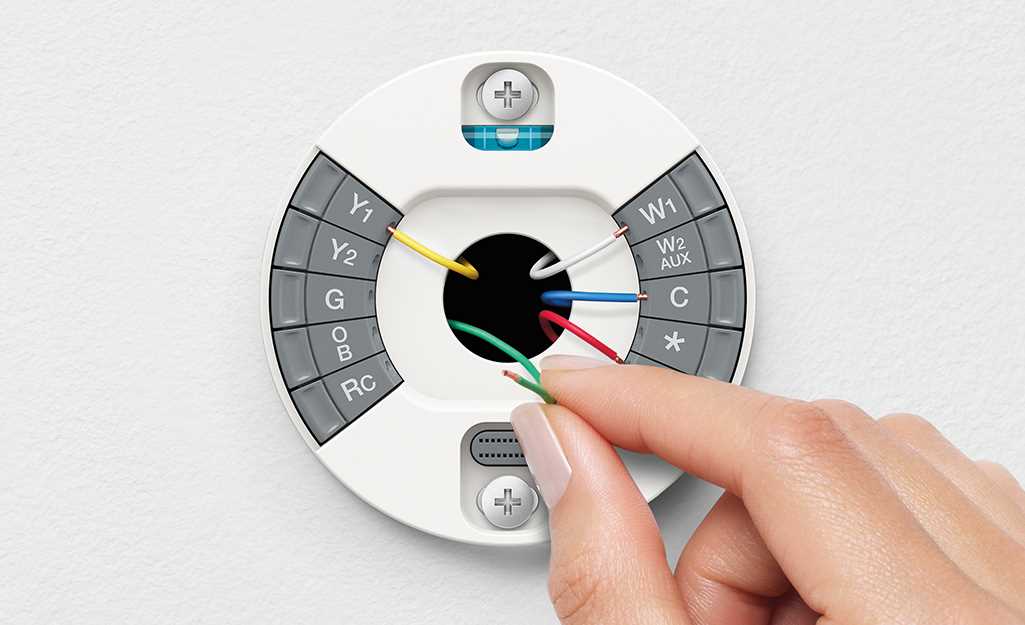
The control unit requires a power supply, often from a separate transformer. The ‘R’ wire, typically red, carries this voltage to the system, powering the control module. Without a proper connection here, the device won’t function, so it’s crucial to double-check this link for a secure fit.
Another key component is the ‘W’ wire, responsible for signaling the heating function. When the set temperature drops below the target, this wire sends a signal to activate the heating element. It’s essential to ensure this wire is correctly routed to avoid improper activation or failure of the system to heat.
The ‘C’ wire provides continuous power for the system’s operation, allowing the control unit to function without interruption. If this wire is omitted or improperly connected, the system may fail to maintain consistent power, leading to operational issues. Proper attention to the common wire is necessary to ensure reliable performance.