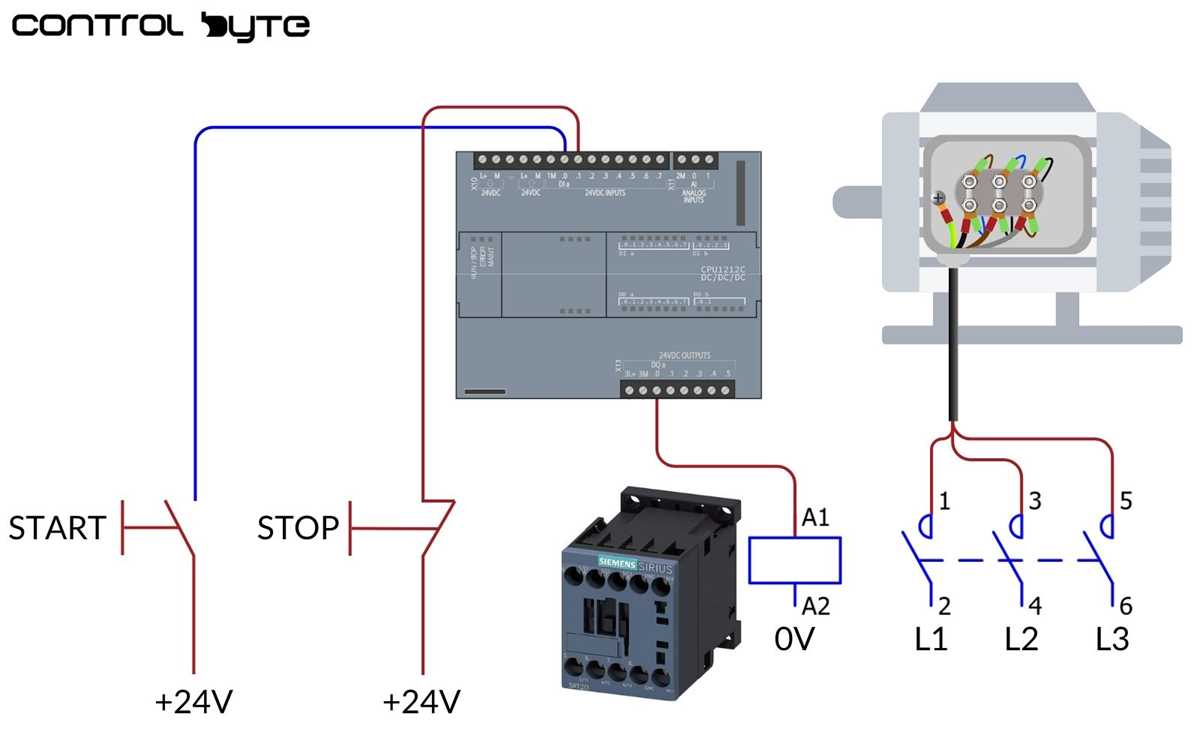
Verify all contactor terminals before connecting the power supply to prevent short circuits or incorrect motor rotation. Use a tester to ensure continuity and proper path alignment.
Follow the recommended sequence for connecting the initial and final configurations. Incorrect sequencing can lead to high inrush currents and potential damage to windings or protective devices.
Secure overload relays according to the rated current of the motor. Adjust tripping settings to match operational requirements, ensuring protection against overheating during startup and operation.
Test the switching mechanism manually before energizing the system. Observe contact engagement and timing to confirm smooth transition between low and full power modes, minimizing stress on the motor.
Motor Starter Connections and Setup
Check all contact points for proper alignment before energizing the system. Loose or bent terminals can create high resistance, causing voltage drops and unstable motor operation.
Follow the correct sequence for engaging the initial and final power configurations. Incorrect sequencing can generate inrush currents exceeding rated limits and may trigger protective devices unnecessarily.
Component Identification
- Label each relay and contactor according to function to prevent cross connections.
- Inspect overload protection units and set tripping values to match motor ratings.
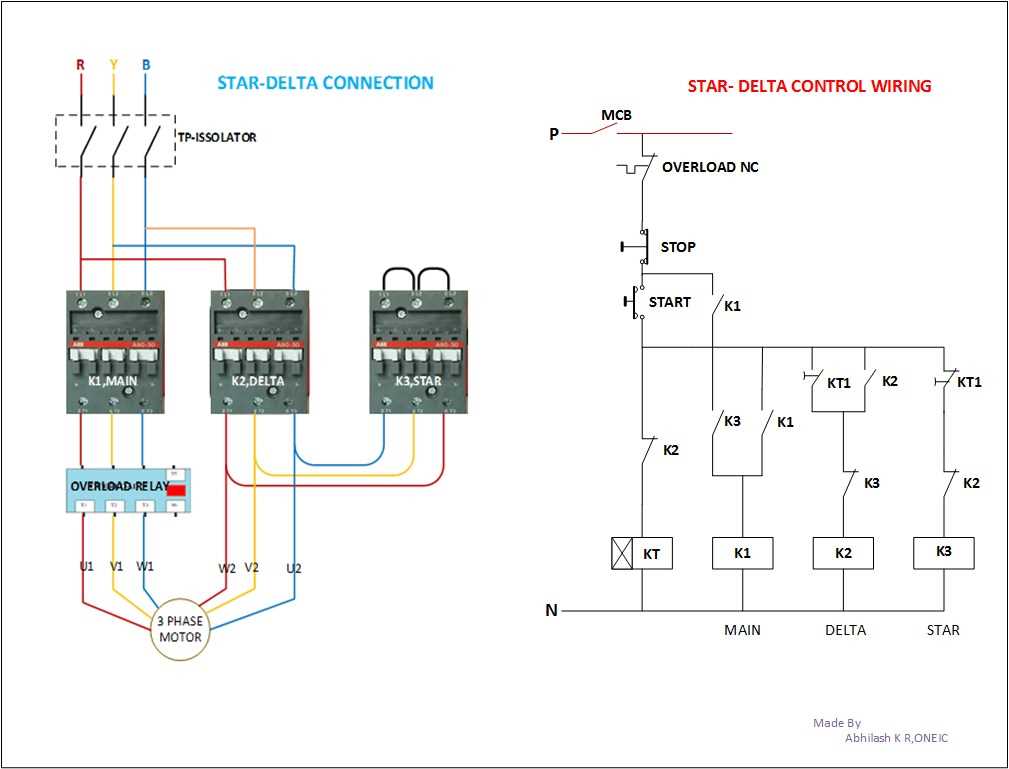
- Verify auxiliary contacts for timing synchronization to ensure smooth transition between startup and full operation modes.
Use a tester to monitor voltage at each point during manual switching. Confirm that pulses occur in the expected order and duration, indicating correct setup and eliminating misfiring risks.
Troubleshooting Tips
- Check for overheating contacts or discoloration which indicates high resistance paths.
- Measure voltage drop across terminals during startup to detect weak connections.
- Replace any worn or damaged connectors to maintain consistent motor performance under load.
Identifying Components and Terminal Connections
Label each relay and contactor clearly before making connections. Accurate labeling prevents misplacement and ensures each device operates in the correct sequence during motor startup.
Inspect all terminals for corrosion, oxidation, or physical damage. Even minor defects can increase resistance and cause inconsistent voltage readings during engagement.
Primary Component Checks
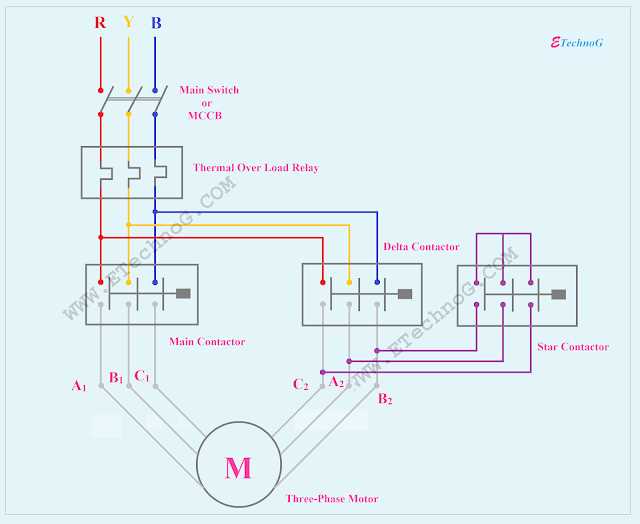
- Verify the main contactor for smooth actuation and secure mounting.
- Check auxiliary relays for proper travel distance and spring tension.
- Confirm overload units are rated according to the motor’s full load current.
- Examine fuses and protective devices for visible signs of wear or heat stress.
Map all connections using a manufacturer-provided reference sheet. Ensure each terminal corresponds to its intended input or output to maintain safe operation and correct switching behavior.
Practical Testing Steps
- Use a multimeter to check continuity across each terminal before energizing the system.
- Manually operate relays to confirm timing and sequencing match specifications.
- Monitor voltage drops under simulated load to identify weak points or high-resistance connections.
Replace any damaged components immediately to prevent intermittent failures. Even small imperfections in connectors can compromise performance and trigger unnecessary trips of protective devices.
Double-check polarity and terminal alignment before final energization. Consistent contact engagement ensures reliable motor startup and prevents stress on the main windings during the transition between initial and full-power configurations.