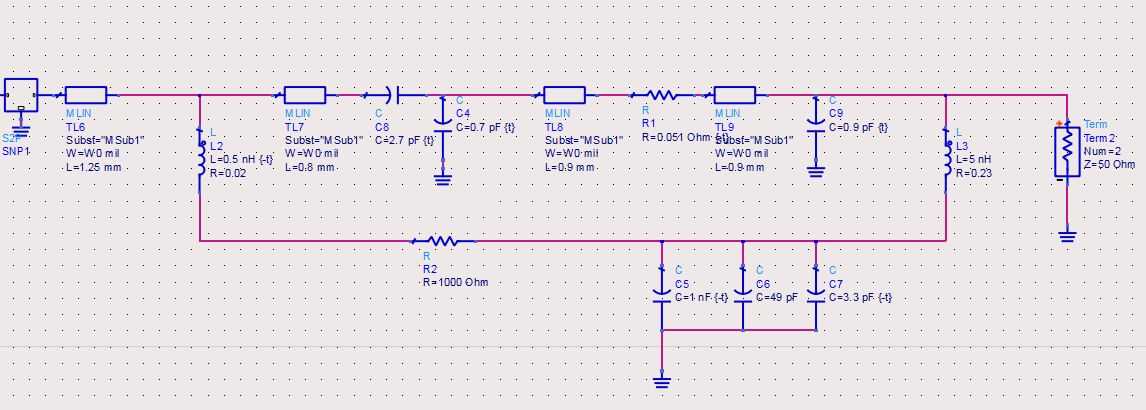
To integrate both signal and DC power in a single line for RF applications, use a simple component that isolates the power supply from the transmission path. The design ensures that a DC voltage is injected into the transmission line without interfering with the AC signal, allowing both to coexist seamlessly. This method is widely used in satellite communications and antenna systems.
The basic setup involves combining a capacitor and an inductor, where the capacitor blocks the DC signal from passing through while allowing the AC signal to flow freely. The inductor, on the other hand, passes the DC signal to the load while preventing high-frequency signals from entering the power supply. This configuration ensures clean power delivery without disturbing the signal integrity.
Building such a setup requires careful selection of components based on the frequency of operation and the power levels involved. Proper component sizing is key to ensuring that the device performs as intended without introducing excessive losses or signal degradation. Using standard components like RF inductors and capacitors tailored to your system’s requirements is an effective way to ensure reliable performance in both high-frequency and low-frequency applications.
Designing and Applying a Power and Signal Combination System
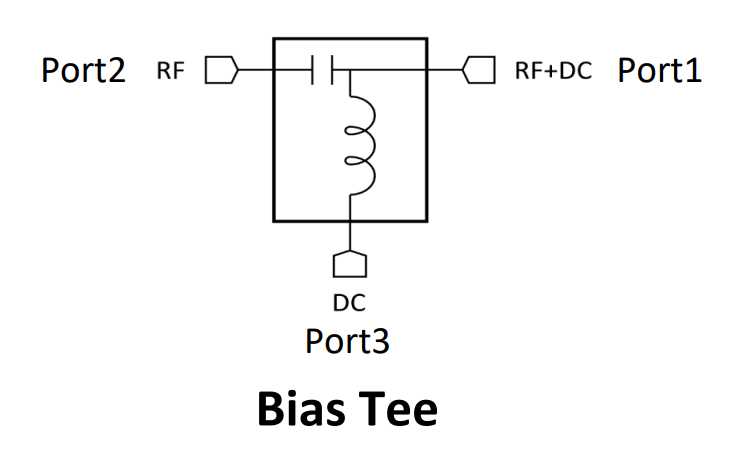
To integrate both signal and DC power into a system without interference, a well-designed power supply coupling device is required. The simplest design for such a task involves an inductor and a capacitor. The inductor ensures that DC voltage is passed to the load, while the capacitor allows AC signals to pass through without disruption. Proper component selection based on frequency and power requirements is a critical step for optimal performance.
The capacitor used for blocking DC signals should have a low reactance at the operating frequency, while the inductor needs to have a high impedance to AC signals at the same frequency. This prevents the power signal from affecting the transmission of high-frequency signals, which could otherwise distort the communication or data transfer. It is essential that the impedance of both components matches the system requirements.
To ensure reliable performance, it’s also important to account for the quality factor (Q-factor) of the components. The Q-factor determines the efficiency of the inductor and capacitor in filtering out unwanted signals. A high-Q inductor, for instance, minimizes losses and ensures that the DC signal is cleanly transmitted, while maintaining signal integrity for high-frequency operation.
One common application is in satellite communication systems, where a low-frequency DC signal powers the antenna, while the high-frequency RF signal is transmitted. This type of configuration is also found in RF amplifiers, where the amplifier needs DC voltage for operation while still passing the RF signal to the next stage in the system. For these applications, the design must ensure minimal insertion loss for the signal, ensuring that it is not degraded by the added components.
In designing such systems, one must consider the power supply voltage and current, as well as the required signal strength and frequency. For example, in RF systems operating at GHz frequencies, component sizes must be minimized to avoid signal attenuation. In contrast, systems at lower frequencies can handle larger component sizes without significant losses. It’s important to balance these factors to achieve efficient signal and power integration.
When implementing this design, use precision components with tight tolerances to avoid unwanted fluctuations in signal or power levels. A mismatch in component values can result in poor performance, such as signal distortion or power inefficiency. Always verify component ratings and ensure they meet the voltage, current, and frequency specifications for the intended application.
Overall, careful design and selection of components for power and signal combination systems can significantly enhance the performance of RF devices. This system is widely used in communication equipment, antenna systems, and RF testing setups. By ensuring minimal interference between the power and signal lines, the reliability of the system is greatly improved, allowing for effective and continuous operation.
Designing a Signal Separation System
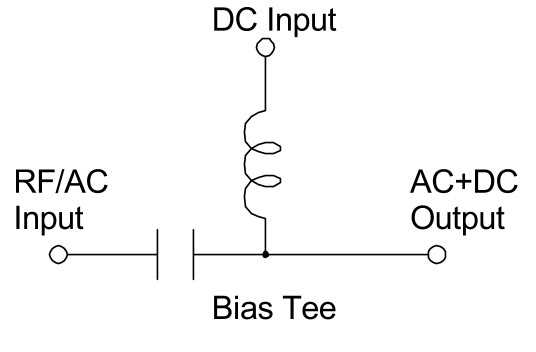
To achieve effective separation of power and signal in a system, start by selecting the right components for coupling. A suitable inductor is crucial for blocking the DC voltage, while a capacitor ensures that the AC signal is allowed to pass without interference. The inductor should have high impedance at the signal frequency to prevent signal degradation. The capacitor should have low reactance to the signal frequency and provide high impedance to DC components.
Next, the power supply should be designed to deliver consistent DC voltage while not affecting the signal path. The key to achieving this is choosing a high-quality inductor with appropriate current handling capacity. The inductor’s inductance value should be chosen based on the frequency range of the system, ensuring efficient DC transmission and minimal signal loss.
Choose a capacitor with the correct value for the desired frequency range. The capacitor must have low reactance at the operating frequency to allow the signal to pass freely. For optimal separation, the value of the capacitor should match the characteristics of the power supply and the frequency of the signals being transmitted.
For higher frequency systems, ensure that the size of the inductor and capacitor is minimized to avoid introducing additional losses or attenuation. This is particularly important for applications involving RF signals, where size and component quality directly impact system performance. Precision components, such as surface-mount inductors and capacitors, are ideal for these types of designs.
Use a simulation tool to validate the performance of the design. Simulating the impedance characteristics and signal paths will ensure that the DC power is efficiently separated from the signal, preventing any interference. Simulations help fine-tune the component values and placement for optimal signal integrity.
Finally, ensure that the entire setup is properly shielded and grounded to prevent external noise from corrupting the signal. Effective grounding and shielding techniques will further enhance the separation of power and signal, ensuring reliable performance even in environments with significant electromagnetic interference (EMI).