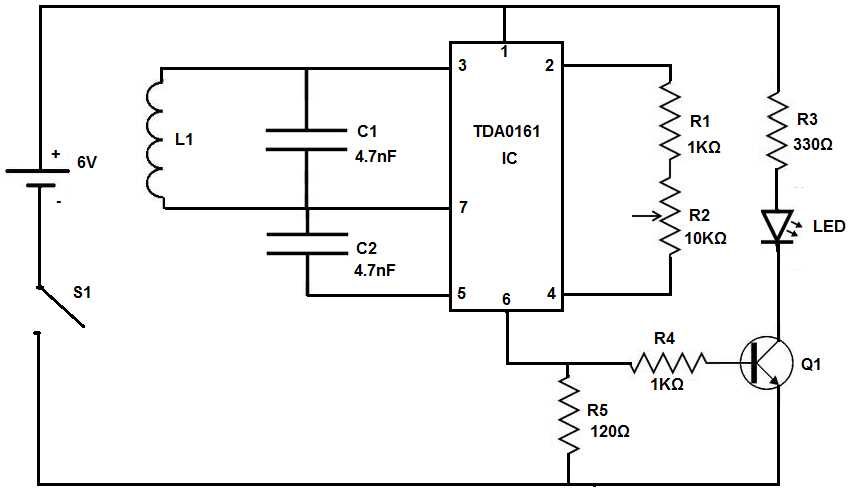
Connect each component according to specified polarity and voltage ratings: Use resistors, capacitors, and transistors as indicated for stable oscillation. Incorrect placement can prevent signal generation or damage components.
Assemble coils precisely: Wind primary and secondary loops with consistent turns and spacing to maintain sensitivity. Align them perpendicular to each other to reduce interference. Variations in coil geometry reduce detection depth.
Use a regulated power supply providing stable DC voltage. Include a filter capacitor near the input to minimize noise. Voltage fluctuations can distort readings or trigger false alerts.
Test the system incrementally: activate oscillator, measure output waveform, and adjust gain for maximum signal amplitude. Document each reading to identify weak points or misconnected leads.
Shield sensitive components from external metallic objects to prevent signal distortion. Ground the frame to reduce electromagnetic interference. Proper shielding ensures accurate response to hidden metallic targets.
Label all leads and components before final assembly. Maintain a clear layout to simplify troubleshooting or future modifications. Disorganized connections increase the risk of shorts and component failure.
Perform a final field test over known metallic and non-metallic surfaces. Adjust tuning controls for optimal detection range and stability. Consistent calibration ensures reliable performance during extended use.
Electronic Setup for Advanced Metal Locator
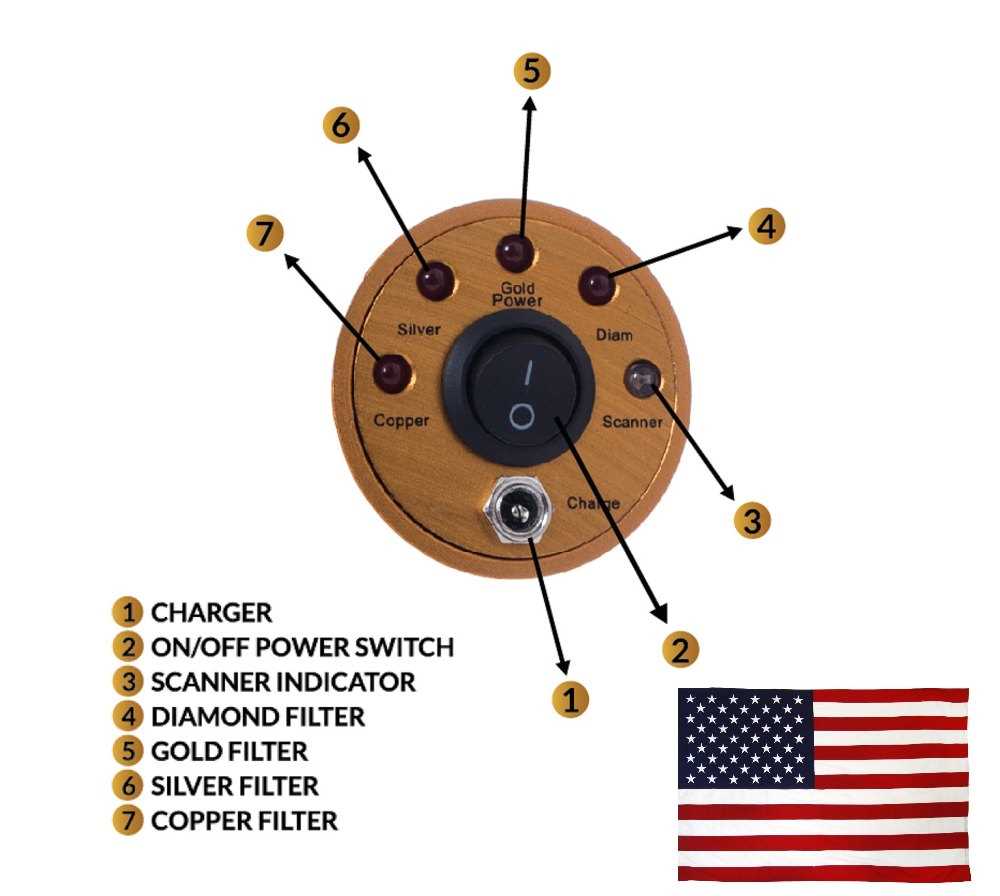
Start by assembling the oscillator section carefully: Place transistors, capacitors, and resistors exactly as specified to generate a stable high-frequency signal. Incorrect values or reversed polarity can stop oscillation or damage components.
Construct the search coil with precise turns and spacing:
- Use insulated copper wire with consistent gauge.
- Wind primary and secondary loops in perpendicular alignment.
- Secure the coil frame to prevent movement that can alter sensitivity.
Check continuity and inductance before connecting to the main board. Variations in coil construction reduce detection depth and accuracy.
Test the assembled unit incrementally:
- Apply regulated DC voltage with filtering capacitors near input.
- Measure output waveform using an oscilloscope or multimeter.
- Adjust gain and tuning controls for maximum signal clarity.
Shield the sensitive sections from metallic objects and ground the frame to minimize interference. Proper calibration and shielding ensure reliable detection over both shallow and buried targets.
Identifying Components and Their Connections for the Locator
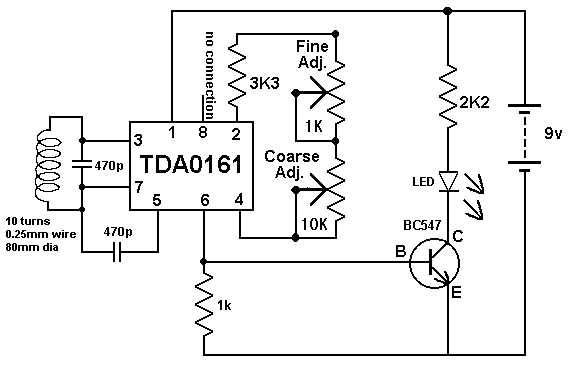
Begin with the power section: Use a regulated DC supply rated at 9 to 12 volts. Include a smoothing capacitor close to the input terminals to prevent voltage spikes. Incorrect voltage can damage transistors and integrated modules.
Locate the oscillator components next. Place transistors, resistors, and capacitors according to their specified values. Reversing polarity on electrolytic capacitors or transistors can stop oscillation.
Constructing the Coil Assembly
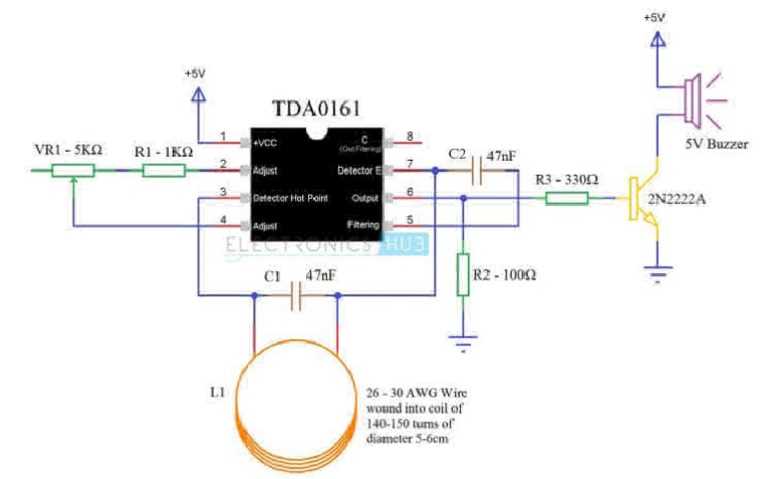
Wind the search coil using insulated copper wire with uniform turns. Ensure the primary and secondary loops are perpendicular and securely fixed to the frame. Loose coils reduce sensitivity and cause erratic readings.
Identify the signal processing section. Connect diodes, op-amps, and potentiometers precisely as indicated for stable amplification and filtering. Check continuity and measure voltage drops across each component.
Label each connection clearly. Use color-coded leads or tags to mark live, ground, and signal lines. This prevents misconnection during assembly and simplifies troubleshooting.
Testing and Verification
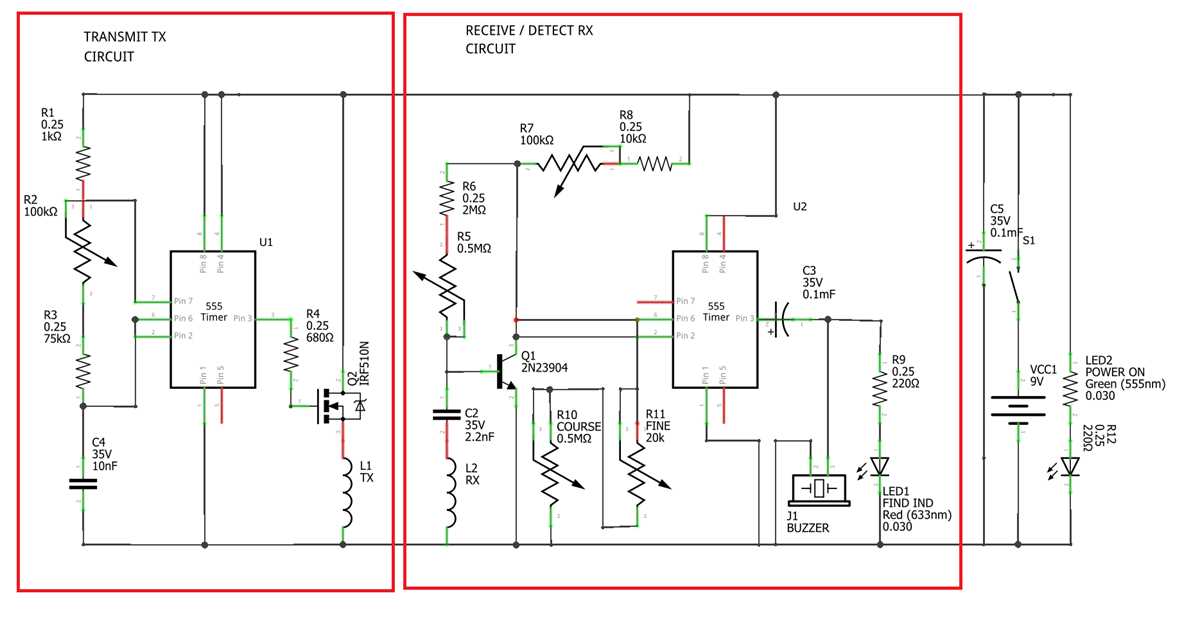
Before field use, activate the oscillator and monitor output on a multimeter or oscilloscope. Adjust the gain and tuning controls incrementally to reach optimal signal amplitude. Inconsistent readings indicate loose connections or incorrect component placement.
Finally, shield sensitive sections from nearby metallic objects. Ground the frame to reduce interference and improve target detection. Proper layout and labeling ensure reliable operation and repeatable performance in different locations.