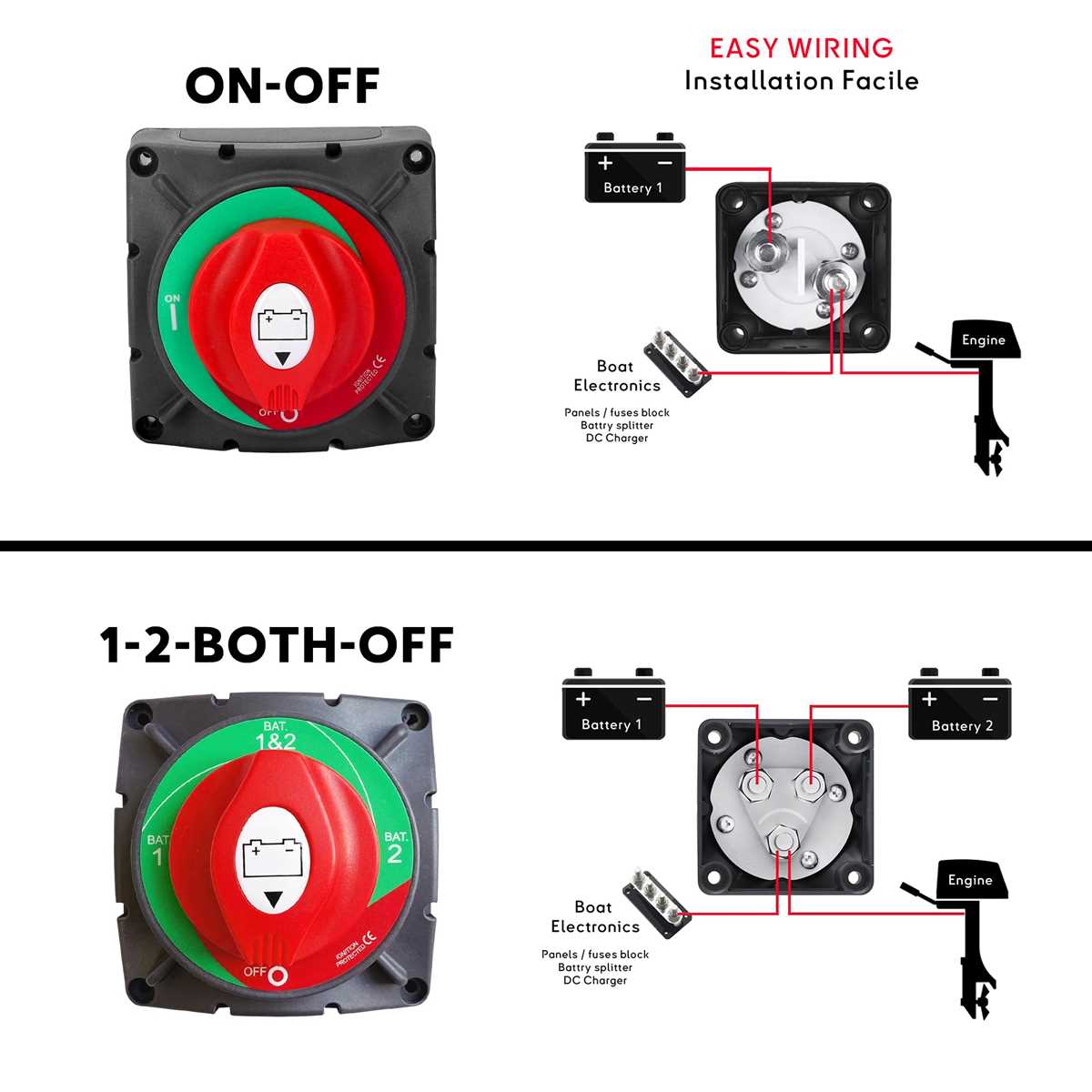
For a reliable power system, connect two energy sources in parallel to ensure uninterrupted operation. This method allows you to isolate one unit for charging while the other powers your devices.
When selecting components, choose high-quality switches, isolators, and fuses to ensure the safety and longevity of your setup. Use thick cables to handle the increased load and avoid voltage drops, especially when running multiple systems simultaneously.
Pay attention to balance by installing a voltage regulator to prevent overcharging or undercharging of either source. It’s crucial to monitor charging levels and ensure both units are maintained equally, preventing any one source from depleting faster than the other.
2 Battery Boat Wiring Setup
Start with isolating each power unit. By using a battery isolator or a dual-way switch, you can alternate between the two power sources without risk of discharging both at once. This ensures that at least one unit remains fully charged for use.
Next, choose a reliable charging system to handle both sources. A dual charging system ensures that both units are charged simultaneously when connected to an external power source. A regulator is needed to balance the charge, avoiding the risk of overcharging either one.
Key Components for Dual Power Systems:
- Isolator switches for separating power flow
- Heavy-duty cables to prevent energy loss
- Voltage regulators to maintain balance
- Fuses to protect the system from overload
Monitor the health of each source regularly to avoid uneven discharge. If one power unit drains faster than the other, it could lead to imbalance and early failure. Periodic checks and maintenance will extend the lifespan of both units.
How to Properly Connect Two Power Sources for Backup
Begin by connecting the positive terminal of one power unit to the positive terminal of the second. Use a heavy-duty copper cable to ensure minimal resistance and maximum power flow between the units. Ensure the cable is rated to handle the current drawn by the system.
Install an isolator switch between the two units to control when each is used. This will allow you to switch between the sources without draining both at once, ensuring a continuous supply of power. The switch also helps to protect the system from overloading.
Steps to Follow for Safe Connections:
- Connect positive terminals together with a secure cable
- Install a reliable isolator switch to manage power flow
- Ensure negative terminals are grounded properly
- Check the connections regularly for any signs of corrosion
Use a voltage regulator to maintain an even charge between both units. This component ensures that neither power unit becomes overcharged or undercharged, which could lead to premature wear. Regular maintenance and checking of the system are important to avoid potential issues down the line.