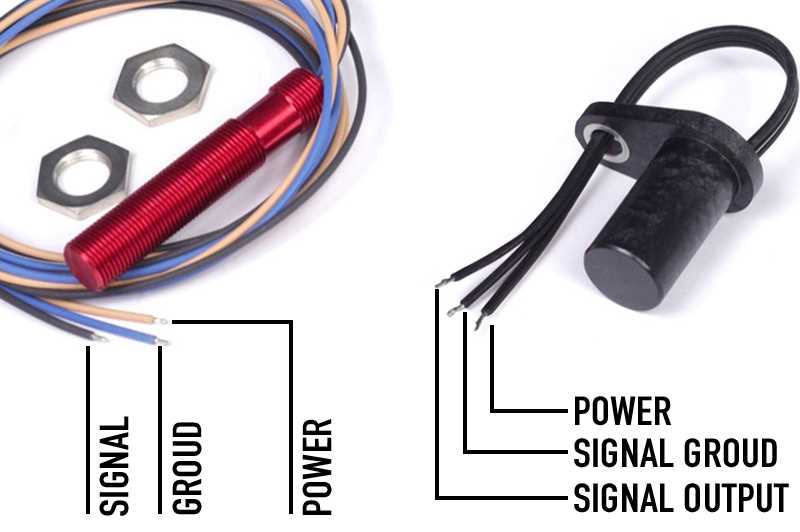
Ensure correct terminal identification before attaching the leads to prevent misfires and erratic engine timing. Use a multimeter to confirm continuity between pins and the control module.
Follow polarity markings carefully, connecting the positive and negative lines to their respective slots. Reversing connections can result in inaccurate rotational readings and potential ECU error codes.
Secure all plugs with locking clips and inspect for corrosion or bent contacts. Even minor resistance increases can cause voltage drops that affect RPM detection accuracy.
Test signal output after installation by monitoring voltage pulses at idle and during rotation. A stable pulse confirms proper alignment and ensures reliable feedback for ignition timing.
2 Wire Crank Sensor Connections and Troubleshooting
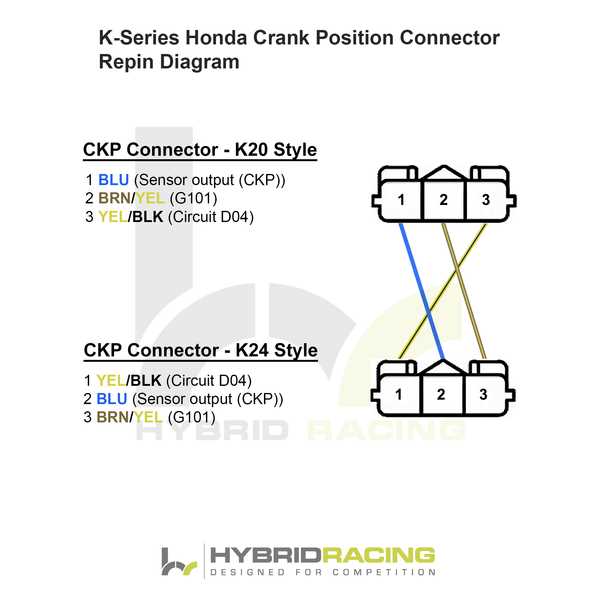
Connect the positive and negative terminals accurately to their designated slots in the control module. Use a continuity tester to verify each path before securing the leads, as incorrect connections can trigger misfires and false error codes.
Inspect all plugs and pins for corrosion or deformation, as even slight resistance changes may distort RPM readings. After assembly, monitor pulse signals with a diagnostic tool at idle and under rotation to confirm stable and consistent feedback for engine timing adjustments.
Identifying the Sensor Leads and Connector Pins
Start by labeling each conductor according to the module specifications. Use color codes and pin numbers to avoid confusion during installation and maintenance.
Check the continuity with a multimeter across each connection point to confirm proper paths. A short or open circuit can trigger incorrect engine signals and diagnostic trouble codes.
Connector Pin Inspection
- Remove the protective cover carefully without bending pins.
- Look for corrosion, dirt, or oxidation that could impede electrical contact.
- Ensure that each terminal is seated fully in the housing to maintain stable readings.
Use a pinout reference sheet from the manufacturer to verify the positive and negative leads. Connecting the wrong terminal can produce erratic RPM data or prevent the control unit from recognizing the pulses.
Practical Testing Steps
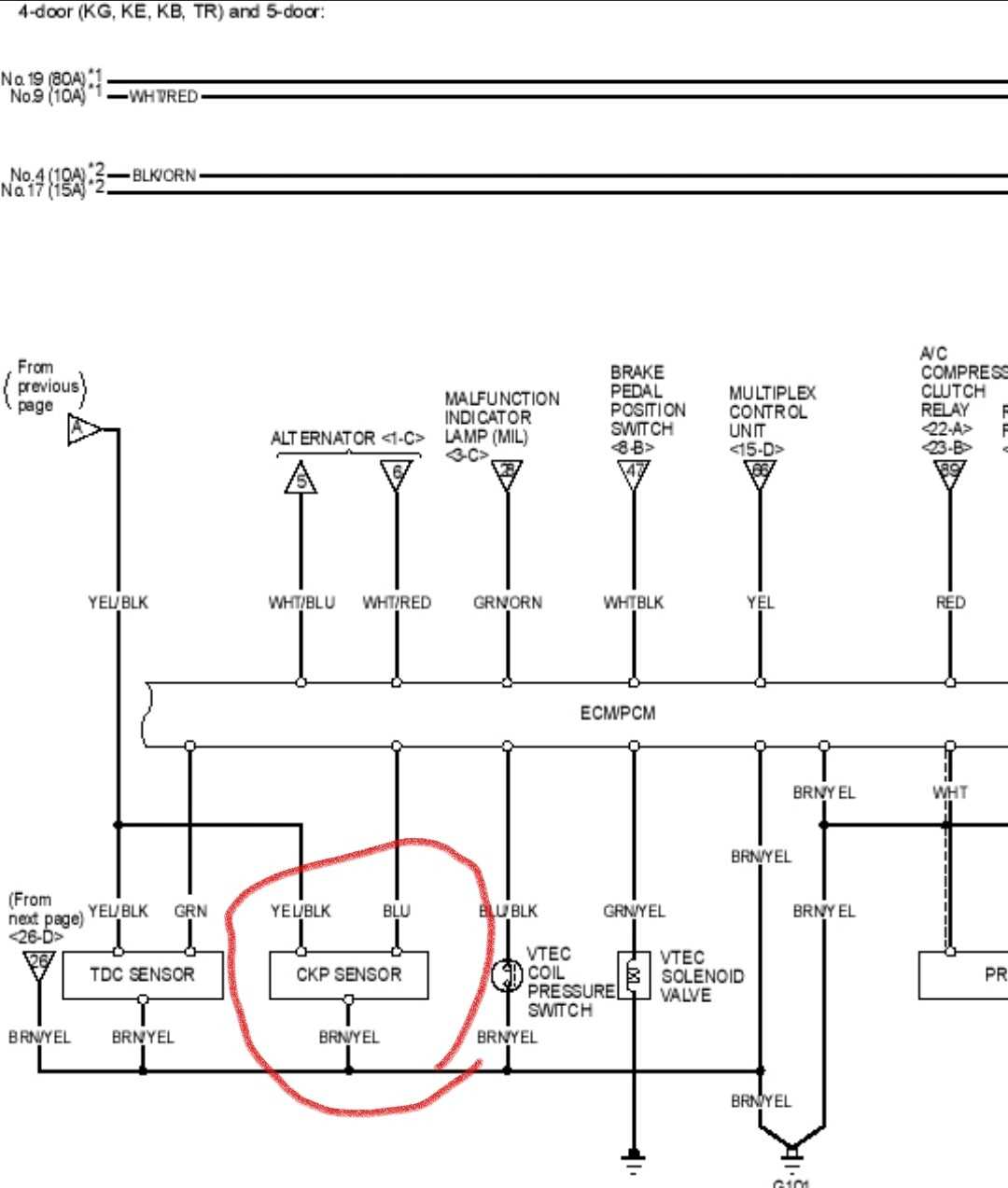
- Attach probes to each pin and monitor voltage response while manually rotating the engine component.
- Record pulse amplitude and compare it to standard values to confirm functionality.
- Adjust connector orientation if readings are inconsistent or unstable.
Recheck after installation by observing signal patterns with a diagnostic tool under different speeds. Consistent pulses indicate correct lead identification and proper module interaction.
Replace damaged terminals immediately to prevent intermittent failures, as even minor contact issues can disrupt ignition timing and engine performance.