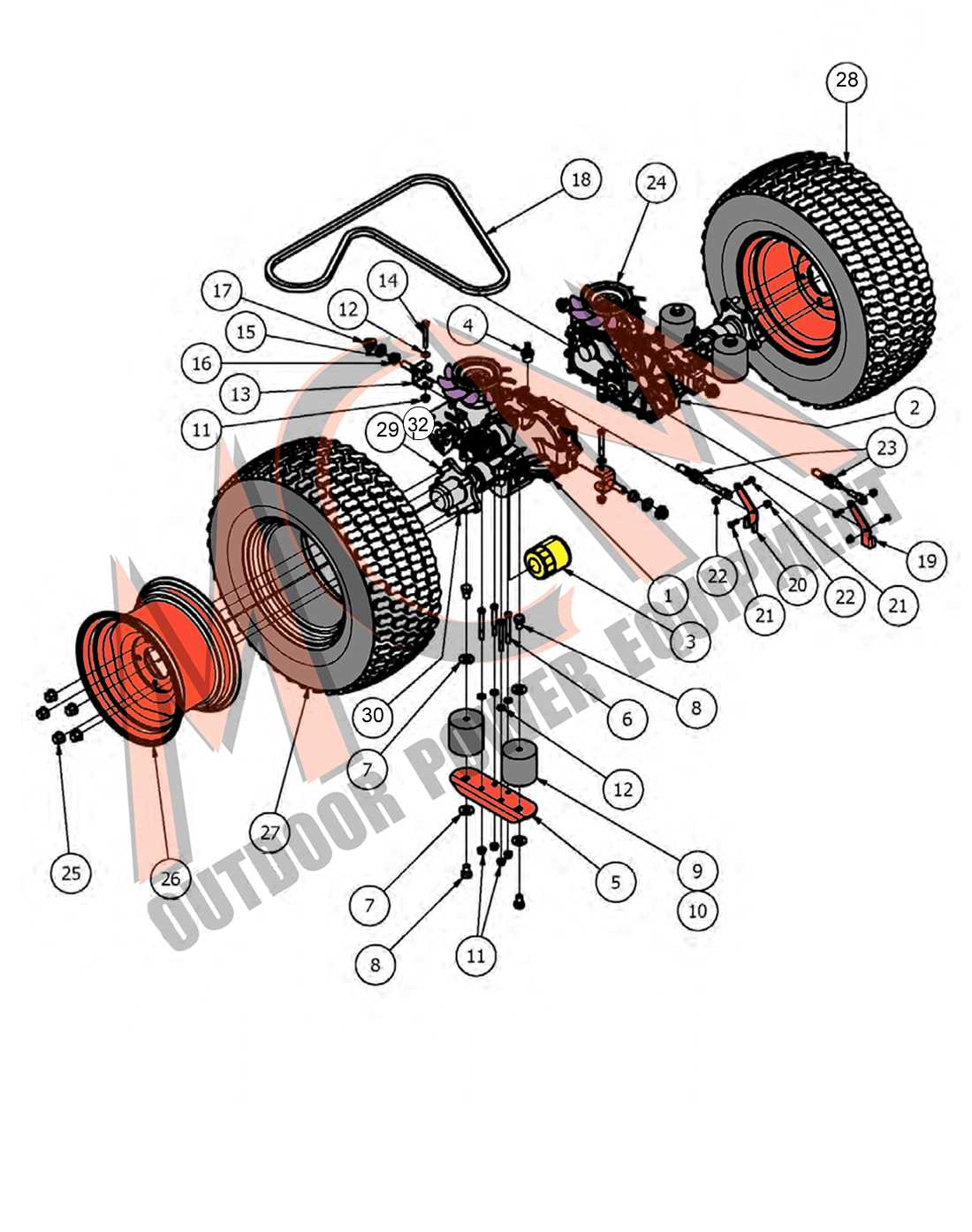
Use the component layout first to match the machine model and deck size before removing any fasteners. This helps pinpoint the exact assembly tied to belt wear, steering issues, or drive loss without stripping adjacent sections.
The layout shows how the engine block connects to the hydro drive units, cutting deck spindles, idlers, and control linkages. Seeing these elements in fixed positions makes it easier to trace vibration, noise, or uneven cutting back to a single mechanical group.
Accurate visual matching reduces ordering errors during service. By comparing callouts to real mounting points, owners and technicians can select the correct pulley, shaft, or bracket on the first attempt.
This reference proves useful during seasonal maintenance, deck rebuilds, or drivetrain work, where understanding spatial relationships saves time and avoids repeated disassembly.
Service Reference Layout for Mower Identification and Maintenance
Compare the reference layout with the machine before service to locate the exact assembly tied to the issue. This allows quick identification of deck hardware, drive units, steering linkages, or engine mounts without removing unrelated components.
The layout maps the relationship between the power unit, hydro drives, belt paths, spindles, idlers, and control arms. Using this visual order helps trace belt slip, uneven cutting, or loss of motion to a specific zone.
Use callout numbers to match each item with the service list during inspection or ordering. Verifying mounting points, bolt patterns, and orientation prevents selection errors and repeat disassembly.
During routine maintenance or repairs, the reference layout supports step planning by showing which assemblies must be removed first and which can remain in place.
Locating Engine Drive and Transmission Components Using the Layout
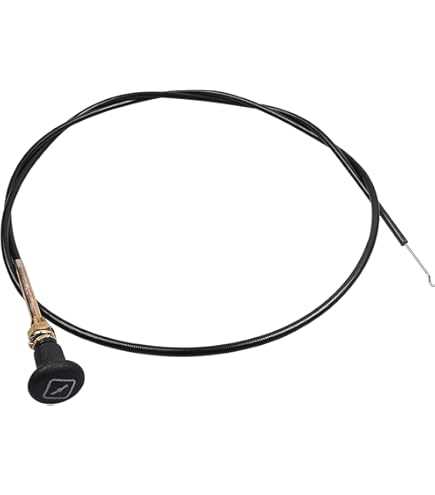
Identify the power source first by matching the crankshaft position and mounting plate shown in the layout to the machine frame. This confirms belt routing and pulley alignment before any covers are removed.
The drive path is shown from the engine output through primary belts to the hydrostatic units. Use this sequence to trace loss of motion, belt glazing, or abnormal noise back to a specific pulley, tension arm, or shaft.
Transmission assemblies are positioned relative to the rear frame rails and wheel hubs. Comparing these reference points helps distinguish left and right units, which may differ in rotation direction or linkage attachment.
During service, follow the visual order to disconnect control rods, cooling lines, and mounting bolts in the correct sequence, reducing the risk of misalignment during reinstallation.
Matching Reference Callouts to Replacement Items During Equipment Repair
Locate the callout number next to the component shape and confirm its position on the machine before ordering. This prevents selecting items that look similar but mount differently.
- Compare the full reference code, including suffixes, to the service list to avoid mixing revisions.
- Check physical attributes shown in the layout such as length, diameter, and hole spacing against the worn item.
- Verify orientation marks and mounting direction to ensure proper fit during installation.
- Confirm left or right placement where mirrored components are used on drive or steering systems.
After receiving the replacement, match it again to the layout before installation to confirm alignment points and fastener locations.