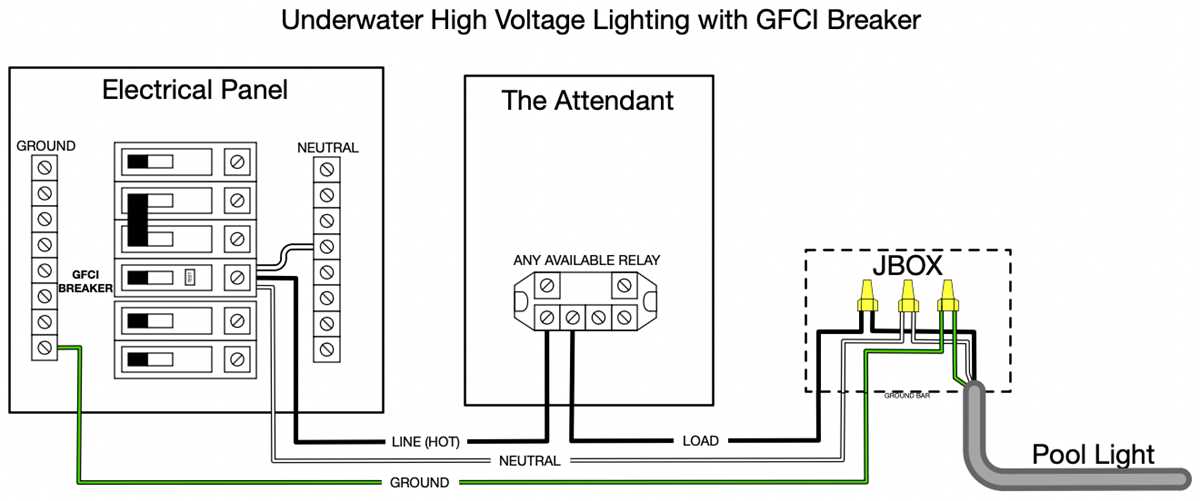
Connect the underwater luminaire circuit through a 12-volt isolation transformer and ground-fault interrupter placed at least 3 meters from the water edge. Low-voltage supply reduces shock risk and limits current inside the aquatic structure. Run a dedicated cable from the service panel to the transformer using 12 AWG copper conductors protected by a 15- or 20-amp breaker. The transformer secondary feeds the submerged fixture through a sealed junction box mounted 20–30 cm above the water level.
Route the conductor inside rigid PVC conduit from the junction enclosure to the niche behind the underwater luminaire housing. Maintain continuous conduit without sharp bends greater than 90 degrees; this allows cable replacement later. Bond all metallic components around the basin – ladder rails, pump motor casing, metal fittings – using a #8 solid copper bonding conductor tied to the equipotential grid. This equalizes voltage potential and reduces stray current paths near the water.
Inside the junction enclosure, join conductors using waterproof connectors rated for submersible equipment. Leave at least 1.2 meters of extra cable coiled behind the luminaire assembly so the fixture can be lifted onto the deck for maintenance without draining the basin. Seal every conduit entry using threaded fittings and rubber gaskets to prevent moisture migration toward the electrical compartment.
Keep the control device and circuit protection separate from filtration equipment circuits. A dedicated branch line prevents voltage drop during pump startup. Measure resistance between bonding points and ground; readings below 1 ohm confirm proper equipotential bonding around the aquatic installation.
Electrical Connections and Safety Setup for Swimming Pool Lighting Systems
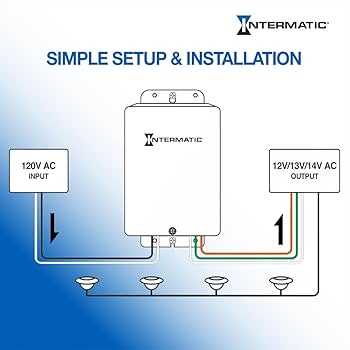
Install a ground-fault circuit interrupter rated 5 mA on the branch circuit feeding the underwater luminaire assembly. Route supply from the distribution panel to an isolation transformer placed at least 3 m from the water edge and 30 cm above ground level. Use copper conductors sized 12 AWG for runs up to 30 m to reduce voltage drop. The transformer secondary typically outputs 12 V or 14 V AC, feeding the submerged fixture through a sealed junction enclosure mounted above the maximum waterline.
Bond all conductive parts surrounding the basin using a solid #8 copper conductor. Ladder rails, pump housing, heater casing, metal piping, and reinforcing steel must connect to the equipotential bonding grid encircling the basin shell. This network equalizes electrical potential across surfaces near the water and reduces stray current risk. Resistance measured between bonding points should remain below 1 ohm. Attach bonding lugs using corrosion-resistant clamps and protect connections using dielectric grease to limit oxidation in humid equipment areas.
Run the cable through rigid PVC conduit from the junction enclosure to the niche behind the submerged luminaire housing. Limit bends to two 90-degree turns so the conductor can be replaced without excavation. Leave at least 1.2 m of spare cable coiled behind the fixture to allow removal onto the deck for service. Seal conduit entries using threaded fittings and rubber gaskets. Keep the illumination circuit separate from pump and heater circuits to avoid voltage fluctuations during motor startup.
Transformer and Power Supply Connections for Underwater Pool Lighting
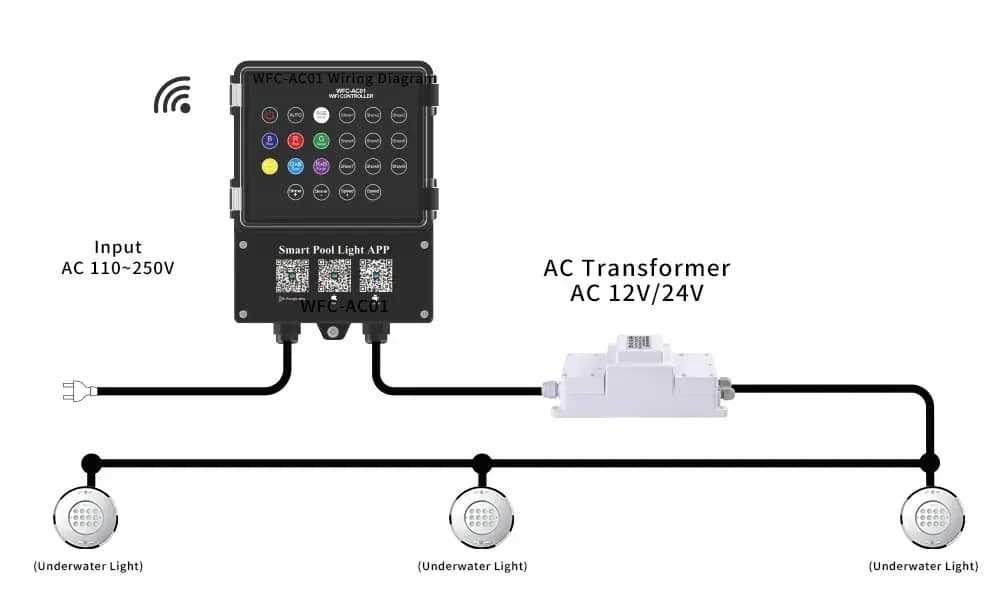
Install an isolation transformer rated 12 V AC between the service panel and the submerged luminaire circuit. Mount the unit at least 3 meters from the basin edge and not lower than 300 mm above ground. Primary input typically connects to a 120 V or 230 V branch protected by a 15–20 amp breaker. Secondary terminals feed the underwater fixture through a sealed junction enclosure positioned above the waterline.
Select a transformer whose output capacity exceeds the combined wattage of all submerged luminaires by at least 25 percent. For example, two 35-watt fixtures require a transformer rated at 100 watts or greater. This margin prevents overheating and stabilizes voltage under continuous operation.
Use 12 AWG copper conductors for the primary supply when the run from the electrical panel exceeds 20 meters. Voltage drop beyond 3 percent reduces brightness and increases heat at connection points. Shorter distances can use 14 AWG conductors when local electrical codes permit.
Route the secondary cable through rigid PVC conduit leading to the sealed junction enclosure. Maintain a continuous conduit path and avoid more than two right-angle bends. This arrangement allows replacement of the cable if insulation damage occurs later.
Inside the junction enclosure, connect the transformer output leads to the luminaire cable using waterproof compression connectors. The enclosure must remain at least 20 cm above the highest water level and located no closer than 1.2 meters from the basin wall.
Leave approximately 1.2 to 1.5 meters of spare cable coiled behind the underwater fixture housing. This extra length allows the luminaire assembly to be lifted onto the deck during maintenance without draining the basin.
Bond the transformer enclosure to the equipotential bonding grid using a solid #8 copper conductor. Attach the bonding lead to the grounding lug on the metal case. This connection equalizes voltage potential across metallic components surrounding the aquatic installation.
Verify output voltage under load using a multimeter before energizing the submerged fixture. A reading between 11.5 and 12.5 volts AC confirms proper transformer operation and stable supply to the underwater illumination assembly.