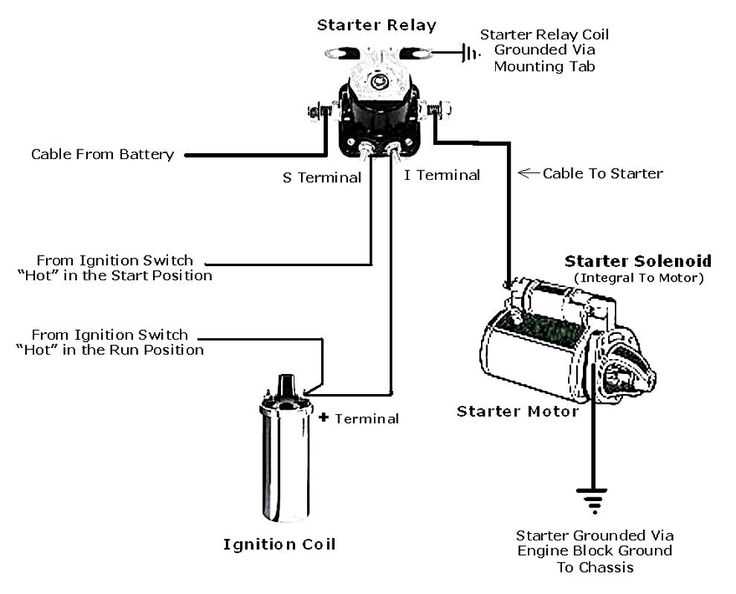
To begin with, carefully select a switch capable of handling the electrical load of your system. The switch must be rated for the voltage and current of the power source. If the switch is under-rated, it can overheat, potentially causing failure or damage to the system. Make sure that the switch type you choose is suited for the control mechanism, whether it’s a momentary or toggle switch.
Next, ensure that you use the correct gauge of wire for the connections. The wire must be able to carry the current without overheating or causing a safety hazard. For most automotive and small engine systems, use copper wire with an appropriate insulation rating for the application. Wire gauges like 14 AWG or 12 AWG are commonly used, but always check the specifications of the system to determine the right size.
Once the components are in place, double-check the connections for secure and solid contact. A poor connection can cause arcing or power loss, resulting in system malfunction. When making the electrical connections, ensure that each terminal is clean and free from rust or debris to avoid any impedance in the circuit.
How to Connect the Activation Mechanism Properly
First, make sure you have the correct components for your setup, including the proper activation switch, fuse, and connector terminals. Each part should match the specifications required by your system’s power capacity. The correct sizing of the components is crucial to avoid overloads or damage. Verify the current and voltage ratings of all parts to ensure compatibility and safety.
Step-by-Step Process for Connecting the Switch
To begin, connect the power source wire to the input terminal of the switch. Ensure that this connection is tight and properly insulated to prevent any accidental shorts. Then, connect the output terminal to the next component in the path, typically a relay or motor control system. This connection should be secure, with proper insulation, and tested for continuity before powering on the system.
After the switch is connected, inspect the path for any possible interference or loose wires. Use heat shrink tubing or electrical tape to cover any exposed sections of the wire, ensuring the connections are safe from environmental damage such as moisture or abrasion. All connections should be firm, clean, and free from corrosion to ensure reliable operation over time.
Testing and Troubleshooting
Once all connections are made, perform a continuity test using a multimeter. This will help ensure that the circuit is complete and that there are no shorts in the system. After confirming continuity, apply power to the circuit. The system should activate correctly when the switch is engaged. If there is no response, check all connections and verify that the switch is functioning as expected.
- Check for any loose connections or damaged wires.
- Verify the proper operation of the fuse or circuit breaker.
- Ensure the power supply is delivering the correct voltage to the system.
If the system fails to engage properly, you may need to troubleshoot individual components. Verify that the switch, fuse, and any additional components are functioning correctly. If needed, replace any faulty parts and re-test the system until the connection is stable and operational.
How to Choose the Right Switch for Your System
To choose the correct switch for your setup, start by identifying the current and voltage requirements. Look at the specifications for your system, and select a switch that can handle the load without risk of overheating or failure. For typical automotive setups, a 30-amp switch may suffice, but more demanding applications could require a higher-rated switch. Check the datasheet for the precise current rating and voltage limits to ensure the switch operates within safe parameters.
Additionally, consider the type of activation needed for your system. A momentary switch, which only completes the circuit when pressed, is ideal for some applications, while others may require a toggle switch for continuous operation. The form factor should also match the installation space available. Ensure that the switch is compatible with your system’s wiring and easy to access during use. By selecting a switch based on these factors, you can improve both the reliability and safety of your electrical system.