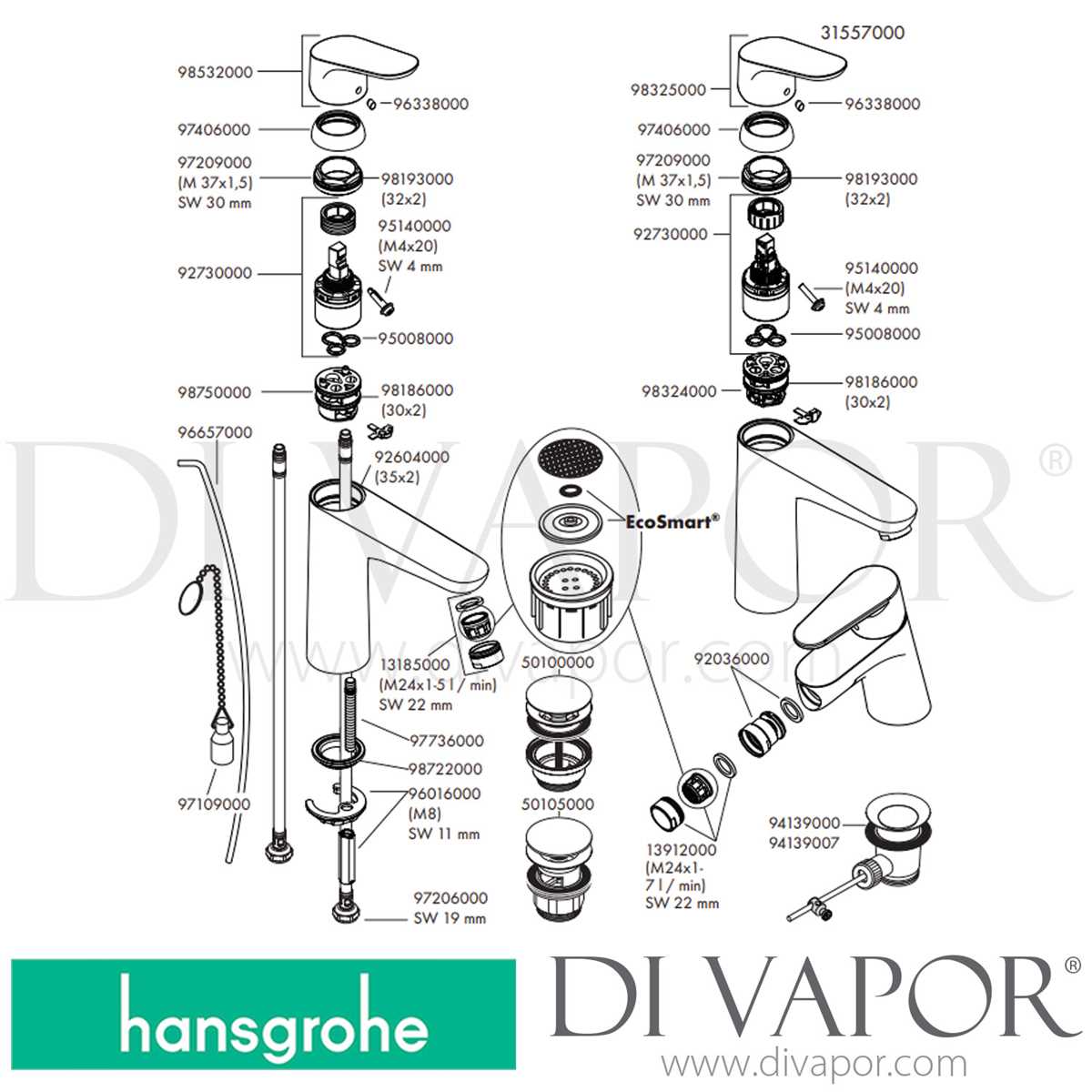
To resolve common issues or perform maintenance, it’s crucial to first understand the layout of your toilet system. Begin by identifying the main components such as the water supply valve, the flush mechanism, and the seat assembly. These elements work together to ensure smooth operation, and recognizing them allows for more efficient troubleshooting and repairs.
Check the water inlet valve and hose connections first. These are often the source of leaks or inconsistent water flow. If you notice water pooling around the base, inspect these components for any visible damage or wear. A clear understanding of their placement will make repairs straightforward and reduce unnecessary part replacements.
Focus on the flush system and related parts, including the tank mechanism and flush handle. Misalignment or damage in this area can prevent the toilet from flushing properly. By referencing the system layout, you can pinpoint where parts may have failed, ensuring the right components are fixed or replaced.
Bidet System Breakdown Overview
Identify key components of your system starting with the control valves and water inlet connections. These are often located at the base or side of the unit and regulate water flow. Checking these components first can help you quickly address any issues related to water pressure or leakage.
Next, locate the nozzle assembly, which is responsible for directing the water stream. It should be properly aligned and free from clogs. Any damage to this area can affect performance, so regular inspection and cleaning are important for maintaining optimal function.
Pay attention to the seat and its attachment points. If the seat is loose or misaligned, it can affect comfort and stability. Ensuring a proper fit will prevent wear and tear on both the seat and the surrounding components. Regularly checking the seat’s condition can prevent unnecessary repairs down the line.
How to Identify and Replace Bidet Components
Start by inspecting the control valve and water inlet system. If water flow is inconsistent or the unit is leaking, check the connections for wear or damage. Tighten any loose fittings, and replace the valve if it’s not sealing properly.
Next, examine the nozzle assembly. If water pressure is low or uneven, the nozzle might be clogged. Detach the nozzle and clean it thoroughly with a soft brush. If cleaning doesn’t resolve the issue, you may need to replace it entirely.
Check the seat for stability and comfort. If it’s loose or damaged, it can cause discomfort and instability. Tighten the seat’s mounting bolts or replace worn-out components to restore proper function and comfort.
Common Issues and Repairs Using a Component Layout
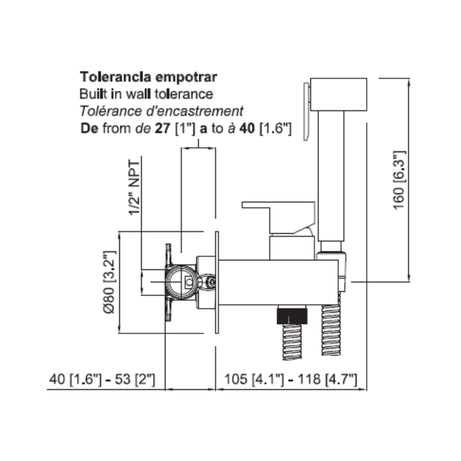
Fix leaks by checking the water inlet hose, shutoff valve, and rubber seals first. Drips near the base usually point to worn washers or loose threaded connections. Replace damaged seals and retighten fittings using moderate torque to avoid cracking plastic threads.
Resolve weak or uneven spray by inspecting the wash nozzle and internal filter screen. Mineral buildup often blocks water flow. Remove the nozzle, soak it in warm vinegar for 20–30 minutes, rinse thoroughly, and reinstall. If spray remains inconsistent, replace the nozzle unit.
Address seat movement by tightening mounting bolts from the underside of the toilet bowl. If wobble persists, inspect the mounting brackets for cracks or stripped threads. Swap damaged brackets to restore stability and prevent stress on surrounding components.